Last Updated: October 15, 2026
Last Updated: October 15, 2026





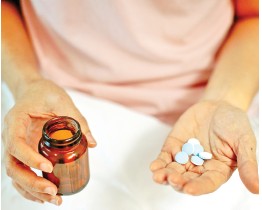
Self-medication—the practice of using medicines without proper medical advice—has become increasingly common across the world. Easy access to drugs, internet health information, and the pressure to find quick relief have encouraged people to treat themselves rather than consult trained professionals. While self-medication may appear convenient and cost-effective, it carries serious risks. From delayed diagnosis to drug resistance and life-threatening complications, self-medication harms individuals and public health in ways that are often underestimated.
One of the most serious dangers of self-medication is misdiagnosis. Symptoms such as fever, headache, stomach pain, or fatigue can be signs of minor illnesses or indicators of serious underlying conditions. When people diagnose themselves, they often rely on guesswork, previous experiences, or online searches rather than clinical evaluation. Treating symptoms without identifying the root cause can mask diseases, allowing them to worsen over time. For example, persistent stomach pain treated repeatedly with painkillers may hide ulcers, infections, or even cancer, leading to delayed treatment and poorer outcomes.
Incorrect drug choice and dosage is another major risk. Medicines are designed to be taken in specific doses, for specific durations, and for specific conditions. Without medical guidance, people may take the wrong drug, combine incompatible medicines, or consume incorrect doses. Overdosing can damage vital organs such as the liver and kidneys, while underdosing may fail to treat the illness and encourage recurrence. Children, the elderly, and pregnant women are especially vulnerable because their bodies process medicines differently, making unsupervised medication particularly dangerous.
Self-medication also increases the risk of adverse drug reactions and allergies. Even commonly used medicines such as painkillers, cough syrups, or anti-allergy tablets can cause side effects ranging from nausea and dizziness to severe allergic reactions and internal bleeding. Without a doctor’s assessment, people may not recognize early warning signs or may continue taking a drug despite harmful effects. In some cases, combining multiple over-the-counter medicines can lead to dangerous interactions that the user is unaware of.
One of the most alarming consequences of self-medication is antibiotic resistance. Many people take antibiotics without prescriptions to treat colds, flu, or minor infections—conditions often caused by viruses, against which antibiotics are ineffective. Others stop taking antibiotics as soon as they feel better, rather than completing the full course. These practices allow bacteria to survive and adapt, making future infections harder to treat. Antibiotic resistance is now a global public health crisis, and irresponsible self-medication is a major contributing factor.
Mental health is another area where self-medication causes significant harm. Some individuals use sleeping pills, anti-anxiety drugs, or substances such as alcohol to cope with stress, anxiety, or depression. Without professional guidance, this can lead to dependency, worsening mental health, and increased risk of self-harm. Masking emotional distress with drugs delays proper diagnosis and treatment, while reinforcing unhealthy coping mechanisms.
The widespread availability of medicines without prescriptions further worsens the problem. In many countries, pharmacies sell powerful drugs over the counter, often without proper counseling. Aggressive advertising and online influencers promoting “quick cures” create a false sense of safety around medicines. This commercial environment encourages people to treat drugs as harmless consumer products rather than potent medical substances that require careful use.
Self-medication also has broader social and economic consequences. Complications arising from improper drug use increase the burden on healthcare systems, leading to higher treatment costs and longer hospital stays. Preventable drug-related illnesses divert medical resources that could be used for other critical needs. In low-income households, repeated self-medication can also result in financial loss, as money is spent on ineffective or harmful treatments rather than proper medical care.
Education and awareness are key to addressing this issue. People need to understand that medicines are not universally safe and that “common” does not mean “risk-free.” Public health campaigns should emphasize the importance of consulting qualified healthcare professionals, completing prescribed treatments, and avoiding the misuse of antibiotics and other drugs. At the same time, governments must enforce regulations on drug sales and ensure pharmacists play an active role in guiding patients responsibly.
In conclusion, self-medication may promise quick relief, but it often leads to long-term harm. By encouraging misdiagnosis, drug misuse, resistance, and dependency, it puts individual lives and public health at risk. Medicines are powerful tools that save lives when used correctly, but they become dangerous when taken without knowledge or guidance. Choosing professional medical advice over self-medication is not just a personal decision—it is a responsibility toward one’s own health and the well-being of society as a whole.
New Delhi: The Delhi High Court on Thursday recorded the assuarance by Delhi Polices promise that all legal...
New Delhi: The Ministry of Defence on Thursday said it has signed contracts worth Rs 4,106 crore for...

Patna: An Excise Department constable was killed after suspected liquor smugglers and an alleged accomplice opened fire on...

New Delhi: Amid the ongoing protests, investigators have found that certain elements backed by Pakistan launched a multi-layered...
Good Afternoon Viewers! Stay updated with The Savera Times Afternoon Bulletin, bringing you the latest news from Punjab,...

New Delhi: Heavy rain and thunderstorms swept parts of Delhi-NCR on Thursday as dark clouds covered the national...

Aries: The day will be auspicious...