Last Updated: November 8, 2026
Last Updated: November 8, 2026





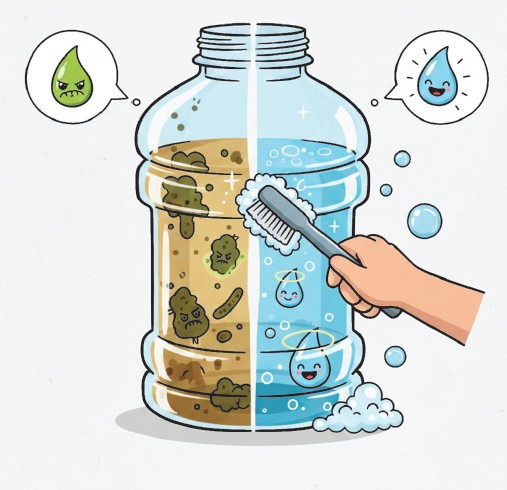
Even if your reusable water bottle is filled with nothing but clear, fresh water, it still needs a regular wash. Experts agree that bottles, no matter the liquid inside, are prone to accumulating germs and bacteria, making proper cleaning essential for health.
Every sip introduces bacteria from your mouth, while handling the lid or straw adds microbes from your hands. Tiny crevices and grooves in the bottle provide the perfect environment for mould, bacteria, and other microorganisms to thrive if left uncleaned. “It may seem mundane, but cleaning your water bottle is extremely important,” says Michele Knepper, a nurse practitioner at the University of Pittsburgh Medical Center.
Neglecting this task can lead to stomach aches, itchy throats, or even aggravate allergies and asthma. While experts vary on the specifics of how often and how thoroughly to clean bottles, they all agree: some cleaning is far better than none. Dr. Mike Ren, a family medicine physician at Baylor College of Medicine, adds, “Is it that big of a deal? No. But washing your water bottle is simple and makes a difference.”
Cleaning needs differ depending on the bottle’s material. Plastic, metal, and glass all require attention, though plastic bottles are more susceptible to scratches and dings where bacteria can hide. The basic cleaning routine is straightforward: use a sponge or bottle brush to scrub the interior and exterior with warm, soapy water, rinse thoroughly, and allow it to air dry. For straws or tight spaces, a narrow brush or pipe cleaner works best.
For a deeper clean, bottles safe for the dishwasher can be run through a cycle, or a denture-cleaning tablet dissolved overnight can disinfect stubborn spots. Natural solutions such as vinegar or baking soda mixed with warm water also work effectively. Daily cleaning with soap and water is recommended, with a deeper scrub once a week. If daily maintenance feels burdensome, experts suggest cleaning at least every other week, while rinsing the mouthpiece after each refill.
When it comes to beverages other than water, cleaning becomes non-negotiable. Protein shakes, juice, or sweetened drinks leave residues that bacteria readily consume, making daily washing crucial.
There is some debate over whether leftover water can remain in a bottle overnight. Some experts advise discarding the contents with every refill, while others allow leaving water for a few hours. Dr. Ren notes that leaving water overnight is usually fine, but the bottle should be emptied every few days at minimum. Any visible mould or unusual odor is a clear warning to discard the liquid and wash the bottle.
Experts also discourage using disposable plastic bottles repeatedly, as they develop cracks and crevices that harbor bacteria, and chemicals can leach into the water.
Ivy Sun, a hospitality expert who studies bottle contamination, emphasizes the importance of routine cleaning. She personally washes her and her children’s bottles with soapy water every day, noting, “This small habit has a significant impact on health.”
Ultimately, reusable bottles are a practical and eco-friendly choice, but their benefits only extend as far as the hygiene practices that accompany them. Regular washing, whether daily or weekly, ensures that your trusted bottle remains a safe source of hydration rather than a breeding ground for microbes. Maintaining this simple habit safeguards your health while allowing you to enjoy your water worry-free.
At least 11 people were killed after airstrikes hit Ash Sharyah village near Yemen's capital, Sanaa, according to...

A mural of Rabindranath Tagore at Bangladesh's Khulna Railway Station was defaced with black ink. Police have launched...

US President Donald Trump has described the confrontation with Iran as “not a war”, claiming Washington has made...

American governors and federal leaders celebrated Diwali while recognising the contributions of Indian Americans. President Donald Trump received...

Washington: A 30-year-old Venezuelan national was arrested near the White House after US Secret Service agents discovered three...
Washington: US President Donald Trump outlined plans for a sprawling aerospace exhibition venue at Florida’s former space shuttle...
Aries: The day will be auspicious...