Last Updated: October 23, 2026
Last Updated: October 23, 2026





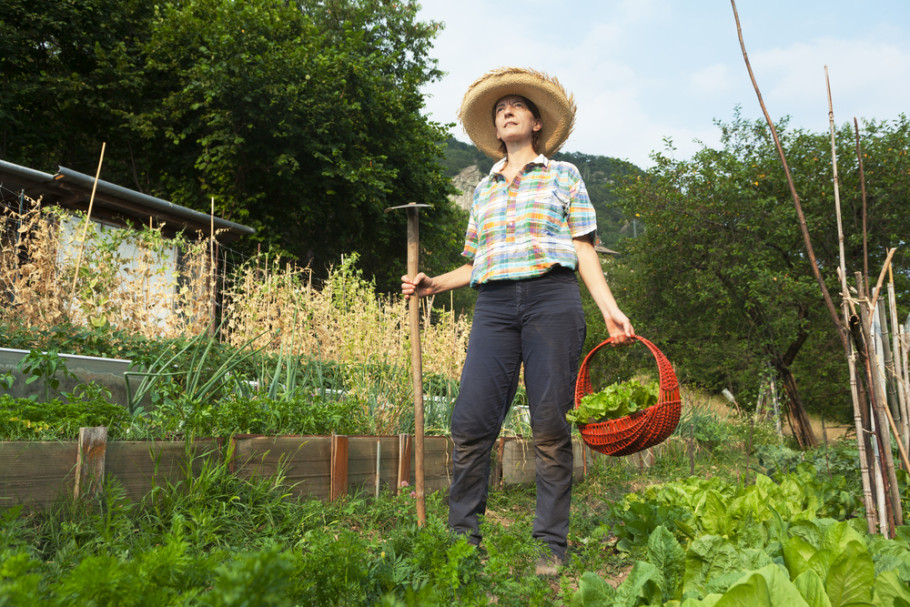
The presence of women in Indian agriculture has been steadily rising, yet the tools and machines available to them have not kept pace with this change. Most agricultural equipment in use today was originally designed for men, assuming greater upper body strength, height, and stamina. For many women farmers, this mismatch leads to discomfort, strain, and long-term health issues.
The tools may work, but they do not work well for the people increasingly using them. Recognising this gap, the Government of Odisha has taken a notable step. A Standard Operating Procedure has now been developed to ensure farm machinery distributed through state-supported schemes undergoes women-centric ergonomic testing. The policy was finalised in November 2025 following expert consultations and field-level studies. It is a structured effort to align agricultural tools with the bodies and working conditions of women who form a growing share of the agricultural workforce.
The feminisation of agriculture is well documented. The Economic Survey 2024-25 reported that the share of women farmers in India has risen from 57 per cent in 2017-18 to 64.4 per cent in 2023-24. This pattern is seen throughout South Asia and parts of Africa, where women increasingly manage crops, livestock, and daily field operations. However, this increased participation has not been supported with equipment designed to ease their work. Data from the Indian Council of Agricultural Research highlights the physical toll.
A majority of women farmers experience chronic back pain, shoulder strain, leg and foot aches, headaches, heat stress, and dehydration. Over half suffer from severe musculoskeletal disorders. These are not isolated or occasional discomforts but patterns linked to equipment that is heavier, taller, or harder to operate than what is suited to women’s physical requirements. To address this, Odisha initiated a pilot under the Shree Anna Abhiyan in five districts. Women farmers worked alongside technical experts to test and refine equipment such as weeders, sprayers, and threshers commonly used in millet cultivation.
Many machines were redesigned or modified before being recommended for wider production. The effort brought farmers directly into the design process rather than treating them only as end users. The new SOP integrates insights from these field trials with ongoing research on ergonomics and safety. The Odisha Department of Agriculture and Farmers Empowerment will now act as the nodal agency for evaluating existing machines and guiding the development of new designs.
If manufacturers adopt these improved models, women farmers could see both health benefits and productivity gains. This change marks more than an adjustment in design standards. It acknowledges that women are central to agricultural work and that their needs must shape the tools they use. Better equipment can reduce physical burden, protect health, and support stronger agricultural outcomes
A Delhi court has allowed US national Matthew Aaron VanDyke and six Ukrainian nationals accused in the Myanmar...

Gold and silver prices have dropped ahead of Dhanteras and Diwali 2026, going against the usual festive-season trend....

Shiromani Akali Dal chief Sukhbir Singh Badal has indicated that his party is open to an alliance with...

Start your day with The Savera Morning Brief, bringing you the top India and world news, including the...

The past three months have been months of sacred religious pilgrimages. In India, people reaching old age often...

CHANDIGARH: Aam Aadmi Party (AAP) Punjab Media In-charge Baltej Pannu on Tuesday launched a sharp attack on the...

Aries: The day will be auspicious...