Last Updated: October 16, 2026
Last Updated: October 16, 2026





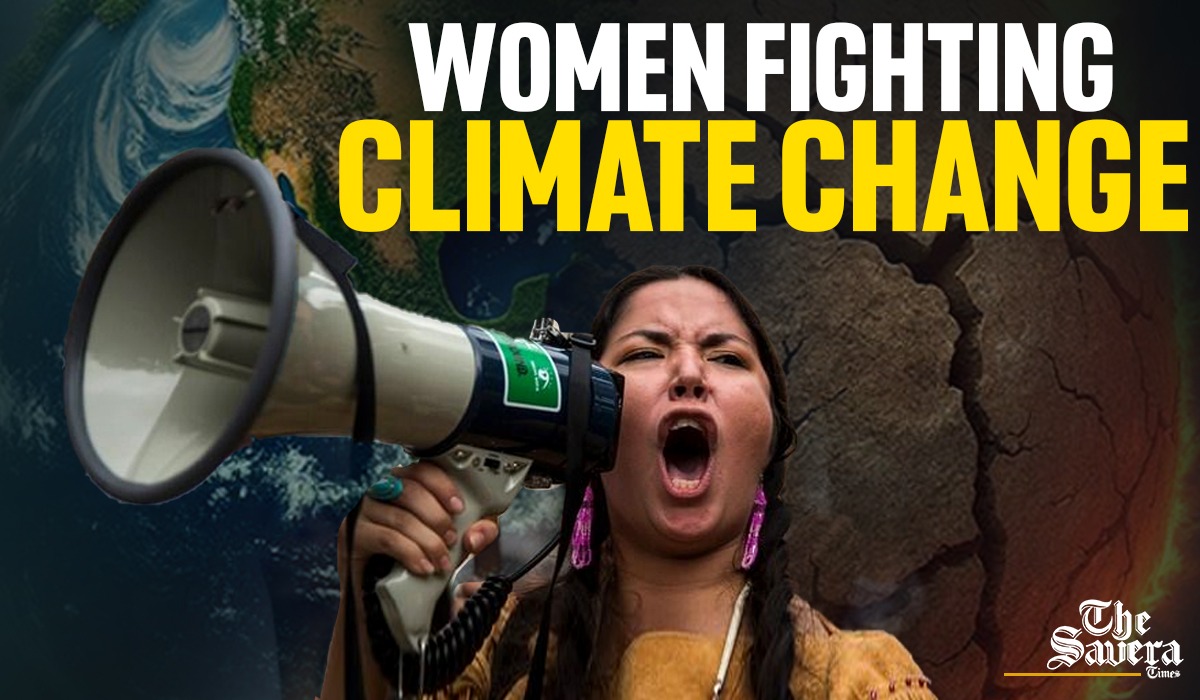
Jalandhar: Climate change is not a distant threat. It is reshaping lives and livelihoods today, especially for those who depend on climate-sensitive sectors like agriculture.
Within this vulnerable sector, women farmers bear the heaviest burden. Rising temperatures, unpredictable rainfall, and more frequent extreme weather events directly threaten crop yields, reduce incomes, and increase the workload of women already engaged in strenuous labor.
Growing Burdens in Rural India
In rural India, women and girls often carry the primary responsibility for securing food, water, and firewood for their families.
During droughts or erratic rainfall, their work grows even harder as they have to walk farther, spend more time finding resources, and shoulder additional income-generating activities.
These pressures can also increase their exposure to gender-based violence, as climate change amplifies existing inequalities and social tensions.
Women as Climate Resilience Leaders
Despite these challenges, women farmers have shown remarkable resilience and ingenuity. They practice sustainable agriculture in harmony with nature, switch to drought-resistant seeds, adopt low-impact or organic soil management techniques, and lead community reforestation and restoration efforts.
Indigenous women, drawing on ancestral knowledge, have been at the forefront of environmental conservation for preserving crop diversity and traditional seeds, protecting pollinators, enriching soil naturally, and maintaining forests. These practices strengthen both community resilience and food security in a changing climate.
Women are, in fact, the quiet backbone of Indian agriculture. They make up nearly one-third of the agricultural labor force and almost half of the country’s self-employed farmers. With men increasingly migrating to cities in search of work, women are left to plant, harvest, manage farms, and sustain rural economies. Estimates suggest that rural women produce between 60 and 80 per cent of the food consumed in India, yet their contributions remain largely invisible in policy and public discourse.
Policy, Frameworks and Global Commitments
Global frameworks, including the United Nations Framework Convention on Climate Change and the Sustainable Development Goals, recognize the importance of understanding local communities’ vulnerabilities and adaptation strategies. Efforts to address food security, reduce poverty, and achieve zero hunger particularly SDG1 and SDG2 directly intersect with women’s roles in the rural economy.
The 2025 edition of The State of Food Security and Nutrition in the World paints a sobering picture of global hunger and malnutrition, drawing on the latest available data. It calls for stronger global cooperation and focused, evidence-based action led by individual countries. To be effective, these efforts must reflect local realities and national priorities, while ensuring that no one is left behind. In particular, policies must deliver real benefits to those most at risk such as small farmers, women, children, youth, and Indigenous communities, who are often the first to feel the impacts of food insecurity.
Addressing these challenges requires a gender-focused approach. The Women in Development (WID) framework aims to include women in projects where they have traditionally been left out. The Gender and Development (GAD) approach goes further, empowering both women and men to take leadership roles and challenge entrenched social and institutional inequalities.
Key sectors such as arable and livestock farming, fishing, forestry, and migration offer opportunities to strengthen livelihoods when gender and social inequalities are considered. Technological advances can help build resilience, but a gender-blind approach risks widening existing inequalities. Gender-responsive technologies are affordable, accessible, reducing labor, and increasing women’s control over outputs and income. They are essential for ensuring that adaptation benefits reach those who need it most.
Women farmers are not just victims of climate change. They are innovators, leaders, and guardians of food security. Supporting them with policies, resources, and recognition is crucial not only for their communities but for the resilience of agriculture itself. If climate change is the challenge of our time, women farmers are the frontline heroes in the fight to secure food, livelihoods, and a sustainable future.
Indian equity benchmarks opened higher on Thursday, with the Sensex rising 183.91 points and the Nifty gaining 48.60...

The government will monitor the implementation of new UPI MDR charges to ensure merchants do not pass the...

New Delhi: The Union Cabinet, chaired by Prime Minister Narendra Modi, on Wednesday approved the proposal to enhance...

For years, the biggest test in India-China ties was the border. Now, as both countries try to bring...

Closure of land routes, costly air freight, limited alternative routes are all adding to the woes of Afghan...
What a sight I got when I found myself lost Where am I? What is this place? I...

Aries: The day will be auspicious...