Last Updated: October 21, 2026
Last Updated: October 21, 2026





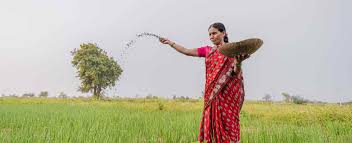
Across South Asia, women contribute significantly to the economy, yet much of their labor remains invisible. From unpaid household work to informal caregiving and agricultural labor, women sustain families and communities without recognition or compensation. This invisibility distorts economic data and undermines policy planning.
Women’s participation in formal employment remains low despite rising education levels. Social norms, safety concerns, lack of childcare, and inflexible work structures limit opportunities. Many women therefore turn to informal work—home-based enterprises, seasonal labor, or piece-rate production.
This informal economy offers flexibility but little security. Earnings are low, working hours long, and legal protections minimal. Women often lack access to credit, property rights, or social security, reinforcing dependence and vulnerability.
Unpaid care work is the most significant yet least valued contribution. Cooking, cleaning, childcare, elder care, and emotional labor consume hours daily. If monetized, this labor would account for a substantial share of GDP. Yet economic systems continue to treat it as a natural obligation rather than productive work.
Crises expose these inequalities. During the pandemic, women absorbed the shock of school closures, health care gaps, and income loss. Many exited the workforce permanently, reversing years of progress. Recovery policies largely ignored gendered impacts, focusing instead on male-dominated sectors.
There are signs of change. Women’s self-help groups, cooperatives, and digital platforms are creating new pathways for income generation. Access to mobile banking and online markets has enabled some women to bypass traditional barriers. However, scale and sustainability remain challenges.
Policy reform must begin with recognition. Time-use surveys, gender budgeting, and care infrastructure investment can reshape priorities. Paid parental leave, affordable childcare, and flexible work arrangements are essential for enabling women’s participation.
Empowering women economically is not only a matter of rights but of growth. Economies that exclude half their population operate below potential. Making women’s work visible is the first step toward building fairer and more resilient societies
Start your day with The Savera Morning Brief, bringing you the latest news from India and around the...

Union Home Minister Amit Shah will pay tribute to police martyrs at the National Police Memorial in New...
Four more people, including two women, have been arrested in the Tiger Shroff firing case. Delhi Police are...
We are very proud that at present India is the number one country in the world by surpassing...
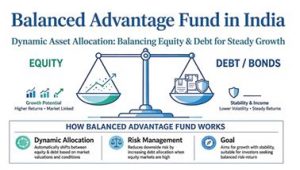
Every investor wants the wealth-creating power of equity and the reassuring stability of debt. Balanced Advantage Funds attempt...
Tourism is a major source of government revenue in our country. There are different types of tourism. Scenic...

Aries: The day will be auspicious...