Last Updated: October 21, 2026
Last Updated: October 21, 2026





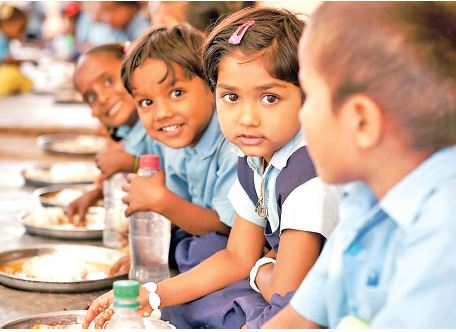
A recent report, Children in India, released by the Union Ministry of Statistics and Programme Implementation, highlights rising levels of vitamin D and zinc deficiencies among Indian children, particularly those aged 10-14 years. The study, which examines child health across survival, development, and protection indicators, reveals worrying nutritional trends among adolescents.
Vitamin D deficiency, crucial for bone growth, immune function, and overall development, was observed in 14 per cent of children aged 1-4 years, 18 per cent in those aged 5-9, and 24 per cent among 10-19-year-olds. Despite India’s abundant sunlight, the deficiency persists, driven by factors including limited sun exposure, low dietary intake of vitamin D and calcium, high consumption of phytates and phosphates, lactose intolerance, darker skin pigmentation, pollution blocking ultraviolet rays, genetic factors, and higher body fat, according to a 2022 Scientific Reports study.
Zinc deficiency was most pronounced among adolescents, affecting 32 per cent of those aged 10-19. In comparison, 19 per cent of children aged 1-4 and 17 per cent of those aged 5-9 were zinc deficient. Zinc plays a key role in growth and general health, with deficiencies contributing significantly to stunting. Studies from 2021 found low serum zinc levels most prevalent among adolescents, especially in children with severe stunting, underweight conditions, or recent illnesses such as diarrhoea, malaria, or respiratory infections.
The report also noted the rise of lifestyle-related conditions in older children. Among those aged 10-19, 10.4 per cent showed signs of pre-diabetes, 0.6 per cent had diabetes, 3.7 per cent recorded high total cholesterol, and 4.9 per cent were hypertensive. Abnormal lipid profiles were observed, with elevated triglycerides particularly common in children aged 5-9 (34 per cent) and 10-19 (16 per cent). States including West Bengal, Sikkim, Assam, and Manipur reported higher percentages of children with raised triglycerides, a risk factor for premature cardiovascular disease.
Child mortality indicators continue to show regional disparities. India’s infant mortality rate in 2023 stood at 25 deaths per 1,000 live births, slightly higher among males. Rural areas reported an IMR of 28, compared with 18 in urban centres. Chhattisgarh and Madhya Pradesh recorded the highest rates at 37, while Kerala reported the lowest at 5. The under-five mortality rate remained 29 per 1,000 live births, ranging from 33 in rural areas to 20 in urban areas, with Madhya Pradesh (44), Uttar Pradesh (42), and Chhattisgarh (41) among the highest, and Kerala the lowest at 8.
The report underscores the dual challenge of nutritional deficiencies and emerging lifestyle disorders among children and adolescents, highlighting the urgent need for targeted interventions in health, nutrition, and preventive care.
Start your day with The Savera Morning Brief, bringing you the latest news from India and around the...

Union Home Minister Amit Shah will pay tribute to police martyrs at the National Police Memorial in New...

Four more people, including two women, have been arrested in the Tiger Shroff firing case. Delhi Police are...

We are very proud that at present India is the number one country in the world by surpassing...

Every investor wants the wealth-creating power of equity and the reassuring stability of debt. Balanced Advantage Funds attempt...

Tourism is a major source of government revenue in our country. There are different types of tourism. Scenic...

Aries: The day will be auspicious...