Last Updated: September 25, 2026
Last Updated: September 25, 2026





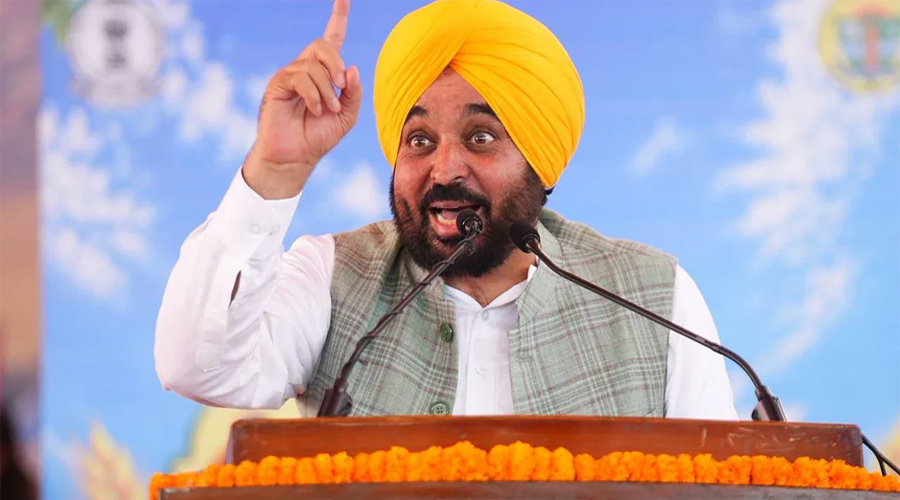
Harm-reduction services provided by the Punjab government, led by Chief Minister Bhagwant Singh Mann, are becoming an important part of the state’s Yuddh Nasha Virudh ‘ campaign. These services aim to provide treatment to individuals struggling with drug addiction and reduce the health and social risks associated with drug use.
In Punjab, 547 outpatient opioid-assisted treatment (OOAT) centers operated by the Health Department and 47 opioid substitution therapy (OST) centers operated by the Punjab State AIDS Control Society are providing services for individuals affected by substance use disorders (SUDs). In addition, support is also provided through targeted interventions.
Emphasis on Treatment and Dignified Reintegration
Health and Family Welfare Minister Dr. Balbir Singh described harm reduction as an essential part of a comprehensive strategy to address the problem of drug addiction. He stated that it is essential to adopt a sensitive approach towards people affected by addiction, along with providing them with the necessary support and skills for treatment and dignified reintegration into society. This approach of the Punjab government focuses on preventing people affected by addiction from opting out of treatment due to stigma and social exclusion, and on reintegrating them back into mainstream society.
Medication and Counseling Facilities at Centers
The primary harm reduction intervention in Punjab is provided through OOAT centers. These centers provide patients with medication for the treatment of opioid use disorder along with counseling. Some medications used for the management of acute or long-term pain are also prescribed by a government psychiatrist. This treatment primarily uses buprenorphine (BPN) or a buprenorphine-naloxone combination. Patients are required to come to the center daily to collect their medication as per prescribed criteria, while eligible patients are also provided with the facility to take their medication home for a certain period.
According to Dr. Atul Ambekar, Professor at the National Drug Dependence Treatment Centre (NDDTC) at AIIMS Delhi, opioid substitution treatment or opioid agonist treatment is considered one of the leading treatment options for the long-term treatment of opioid dependence.
The notion of “one drug replacing another” is incorrect.
In this regard, Dr. Ambekar also highlighted a common misconception about treatment. He said that since the medication used in treatment can also cause dependence, it is often seen as a substitute for another. He clarified that many health conditions may require long-term medication, for years or, if necessary, for life. Simply taking medication regularly does not make a person addicted.
Awareness of Safe Injection Practices
Under the Harm-Reduction Program, drug users are made aware of the health risks and encouraged to seek treatment. Health teams counsel those who continue to inject drugs on safe injection practices, emphasizing not reusing used syringes and adopting procedures to reduce the risk of blood-borne infections such as HIV and hepatitis.
Expanding Methadone Therapy Options
The Punjab government has expanded methadone maintenance therapy to the treatment options for opioid dependence. Six dedicated clinics for oral substitution therapy using liquid methadone are currently operating in Faridkot, Ludhiana, Patiala, Gurdaspur, Mohali, and Jalandhar. Six more methadone maintenance treatment centers are being established in the state. Once operational, the total number of such dedicated centers will reach 12.
Treatment in accordance with WHO and NACO guidelines
According to the Ministry of Health, methadone maintenance therapy, in accordance with World Health Organization (WHO) and National AIDS Control Organization (NACO) guidelines, provides a treatment option for people struggling with long-term opioid dependence.
Chandigarh: The Aam Aadmi Party (AAP) Punjab leaders and volunteers protested outside the GMADA (Greater Mohali Area Development...
Cabinet Minister Hardeep Singh Mundian on Thursday hit back at BJP leader Ravneet Singh Bittu over his claims...
Punjab Congress will hold a protest march to the ECI office in Sector 17, Chandigarh, over the SIR...

The Punjab and Haryana High Court complex was evacuated after a bomb threat on Friday, with police and...
Chandigarh: Punjab Congress President Amarinder Singh Raja Warring on Thursday demanded that the Special Intensive Revision (SIR) of...
CHANDIGARH: The Aam Aadmi Party (AAP) on Thursday said Prime Minister Narendra Modi, having realised that Punjab has...
Aries: The day will be auspicious...