Last Updated: October 21, 2026
Last Updated: October 21, 2026





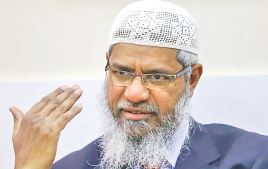
Bangladesh is set to host a controversial visit by Islamic preacher Zakir Naik after the interim government led by Nobel laureate Muhammad Yunus approved a nearly month-long tour starting late November, according to media reports. The visit, scheduled from November 28 to December 20, would take Naik across the country to deliver a series of sermons — a sharp reversal of the previous administration’s stance toward the preacher.
Naik, an Indian-born orator who has lived in Malaysia since 2016, is wanted in India on money-laundering and hate-speech charges. Indian agencies have accused him of promoting messages that encouraged violence and communal discord; the National Investigation Agency and the Enforcement Directorate have both pursued cases. India has sought his extradition from Malaysia, where he holds permanent residence. Those legal pressures and his global itinerary frame much of the controversy around his movements.
The announcement of Naik’s Bangladesh tour marks a notable pivot. Under former prime minister Sheikh Hasina, Dhaka had moved against Naik’s media footprint, banning his Peace TV after investigators linked one of the perpetrators of the 2016 Holey Artisan Bakery attack to material the gunman had viewed online. The site of that attack remains a sensitive touchstone in Bangladesh’s politics and security debate. The Yunus government’s decision to green-light Naik therefore signals a distinct policy shift on religious speakers and media.
Naik’s recent high-profile travels have already raised alarm in New Delhi. In 2024 he spent a month in Pakistan as a state guest, drawing criticism after he was seen meeting figures linked in some reports to extremist groups. Those appearances heightened concerns in India about the preacher’s influence and the diplomatic implications of hosting him.
Analysts say the decision in Dhaka must be read against a wider political realignment since Hasina’s departure and Yunus’s interim government. Human rights and policy observers note the interim administration has relaxed some restrictions and moved to reshape relations with regional actors; critics warn this may embolden elements that were previously constrained. Domestic politics in Bangladesh, and how the interim authorities weigh security risks against political calculation, will shape the response at home and abroad.
Security experts caution that high-profile visits by polarising figures can carry operational risks. They point to the 2016 Dhaka attack in which investigators reported that one attacker cited online sermons as an influence. Governments hosting controversial preachers must balance freedom of assembly and religious expression against potential radicalisation and public safety, analysts say. Any gatherings will be watched closely by regional security agencies and counterterrorism units.
For India, the visit poses diplomatic and legal questions. New Delhi has repeatedly urged countries to cooperate on extradition requests related to individuals accused of fomenting communal violence or funding illicit networks. How India engages with Dhaka over Naik’s itinerary — whether through protest notes, quiet diplomacy, or public statements — will indicate how much the matter strains bilateral ties already sensitive after the political transition in Bangladesh.
As the November dates approach, the debate will crystallise further: organisers and the interim government will face pressure from civil society, security agencies and foreign capitals to spell out limits, permissions and monitoring arrangements for public events. For many observers in the region, the visit is not just about one preacher’s sermons. It is a bellwether of shifting political choices in Dhaka and of how regional capitals will manage the uneasy intersection of religion, security and diplomacy.
Protests in Jakarta, Yogyakarta and Bandung brought students onto the streets over rising costs, forest fires and civil...
Organisations linked to Neville Roy Singham are under US congressional scrutiny over funding. Their coverage of protests in...
US President Donald Trump says Washington and New Delhi are close to a trade agreement that will differ...
Iran has ruled out transferring its enriched uranium stockpile outside the country, with security official Mohsen Rezaei reiterating...
Donald Trump has urged Volodymyr Zelensky to pursue a peace deal with Russia, warning that Ukraine could face...
Pakistan, battling insurgencies at home and tensions along multiple borders, is too overstretched to offer meaningful military support...
Aries: The day will be auspicious...