Last Updated: October 21, 2026
Last Updated: October 21, 2026





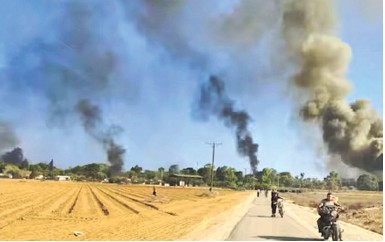
A new report released by the United Nations Committee against Torture has delivered one of the strongest rebukes yet of Israel’s conduct in the occupied Palestinian territories since the conflict that began on October 7, 2023. The committee has accused Israel of operating what it describes as a de facto State policy of organised and widespread torture, raising serious concerns over the treatment of detainees and the conditions across multiple detention sites.
The report evaluates Israel’s compliance with the UN Convention against Torture during the past two years. It documents a wide range of alleged abuses that the committee says go far beyond isolated incidents. These include repeated severe beatings, electrocution, waterboarding, prolonged stress positions, attacks by trained dogs, sexual violence, and the use of extreme restraints. The committee also recorded disturbing allegations that some detainees were forced to mimic animal behaviour or were subjected to degrading acts such as being urinated upon. According to the committee, these practices indicate patterns rather than exceptions.
The report states that the material conditions in places of detention have deteriorated sharply since the conflict began. It links this decline to what it suggests may be a deliberate policy of collective punishment applied to Palestinians in custody. The committee noted with concern that about 75 Palestinians have died while in detention during this period. It criticised the absence of meaningful accountability, pointing out that very few of these deaths have led to prosecutions or convictions of officials involved in custodial duties.
Another major issue raised by the committee is the lack of a specific criminal offence for torture within Israel’s domestic legal framework. The committee maintains that this gap allows public officials to avoid responsibility by invoking what Israeli law refers to as a necessity defence. This defence can be used to justify unlawful pressures applied during interrogations. The committee urged Israel to introduce legislation that clearly defines and criminalises torture in accordance with the UN Convention. It also pressed the State to disclose information regarding what Israeli authorities describe as special means used during interrogations.
The Committee against Torture further recommended that Israel establish an independent and impartial commission to investigate allegations of torture and mistreatment linked to the current conflict. It said such a commission should be empowered to examine conduct at all levels, including the actions of senior officers, and ensure that individuals who commit offences are prosecuted. The report also pressed Israel to allow immediate access for humanitarian agencies and relief workers to detention facilities and to communities in Gaza. According to the committee, transparency and independent oversight are essential for restoring confidence that detainees’ rights are being respected.
While the report is highly critical of the actions of Israeli authorities, it also recognised the trauma of the initial attacks on Israel carried out by the militant group Hamas on October 7. The committee expressed condolences for the loss of life and the emotional distress suffered by victims and their families. It acknowledged that the events of that day created an environment of fear and security anxiety. However, the committee stated that no level of violence or provocation permits the use of torture or cruel, inhuman or degrading treatment against detainees.
The severity and scale of the allegations detailed in the report have led to growing international concern over Israeli detention practices. The findings suggest that despite global pressure and long-standing treaty obligations, Israel has not taken sufficient steps to prevent abuses or ensure accountability when violations occur. The committee’s conclusions place the focus on the need for systemic reforms rather than ad hoc disciplinary actions.
In releasing its report, the UN committee delivered a clear message. It said that Israel must urgently revise its legal and institutional framework to comply with the UN Convention against Torture. It also stressed the need for transparent investigations, credible accountability mechanisms, and improved access for humanitarian agencies. The committee maintained that adherence to human rights law is essential even in times of conflict. It said that the gravity of the allegations documented requires decisive action to restore compliance with international standards and to protect those in detention from further harm.
Protests in Jakarta, Yogyakarta and Bandung brought students onto the streets over rising costs, forest fires and civil...
Organisations linked to Neville Roy Singham are under US congressional scrutiny over funding. Their coverage of protests in...

US President Donald Trump says Washington and New Delhi are close to a trade agreement that will differ...
Iran has ruled out transferring its enriched uranium stockpile outside the country, with security official Mohsen Rezaei reiterating...
Donald Trump has urged Volodymyr Zelensky to pursue a peace deal with Russia, warning that Ukraine could face...
Pakistan, battling insurgencies at home and tensions along multiple borders, is too overstretched to offer meaningful military support...
Aries: The day will be auspicious...