Last Updated: October 16, 2026
Last Updated: October 16, 2026






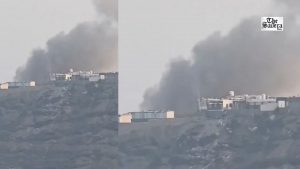
Afghanistan has formally accused Pakistan of violating the ceasefire along the Durand Line, the long-disputed border that separates the two countries. Afghan officials stated that Pakistani forces crossed into Afghan territory, raising serious security concerns and prompting immediate diplomatic attention.
Tensions Flare Along the Durand Line
The Durand Line, established in 1893 during British colonial rule, has historically been a source of friction between Afghanistan and Pakistan. Afghan authorities say that repeated cross-border movements by Pakistan have destabilised local communities, disrupted livelihoods, and heightened fears of potential armed conflict in border provinces.
Diplomatic Measures Urged
In response, Afghanistan has urged Pakistan to adhere strictly to the ceasefire agreements signed previously and to engage in constructive dialogue to prevent further incidents. Afghan officials emphasised that violations threaten the fragile peace and cooperation efforts along the border. Experts note that persistent breaches could not only strain bilateral relations but also impact trade, security cooperation, and the overall stability of the region. Both countries have historically had sensitive ties, and incidents along the border have previously led to temporary escalations.
Regional and International Implications
The alleged ceasefire violations have drawn regional attention, as security analysts warn that ongoing tensions along the Durand Line could have broader geopolitical repercussions. Stability along the Afghanistan-Pakistan border is considered crucial for counterterrorism operations and maintaining peace in South Asia. International observers are calling for diplomatic engagement and reaffirmation of agreements to ensure that border disputes do not escalate into larger conflicts, which could affect neighboring countries as well.
Air India and Air India Express have suspended flights to Riyadh, Jeddah and Dammam until October 20. IndiGo...

Manjit Singh Bedi, 64, has been returned to the United States after being arrested in India. He faces...

A Houthi attack on the al-Maashiq Presidential Palace in Aden killed five people and injured 16, amid intensifying...
A shooting at Silver Rail Elementary School in Bend, Oregon, left three children and a teacher dead. The...

Prime Minister Narendra Modi will visit Canada on December 11-12, 2026, with both countries aiming to strengthen strategic...

US Vice President JD Vance has warned that anyone found selling access to the White House should face...

Aries: The day will be auspicious...