Last Updated: October 21, 2026
Last Updated: October 21, 2026





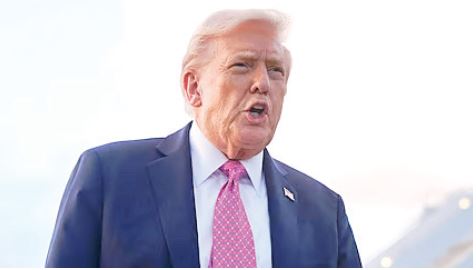
Trigeminal neuralgia delivers brief, savage jolts of pain that can make ordinary actions—brushing teeth, speaking, or even feeling a breeze—intolerable. Often described as one of the most agonising neurological conditions, TN affects the trigeminal nerve, which transmits facial sensation to the brain. A recent review in The Lancet underscores how the severity of these paroxysmal episodes can erode quality of life, turning routine moments into sources of dread.
The condition most commonly strikes people over 50 and is seen more often in women. For many patients the proximate cause is mechanical: a blood vessel compresses the trigeminal nerve at its root, producing the sudden, electric-like pain that defines the disorder. Less frequently, multiple sclerosis or tumours are implicated. Though attacks are short, their frequency and intensity make the condition chronic in its impact, prompting sufferers to limit normal social and occupational activities for fear of triggering pain.
While medicine struggles to quiet the nerve’s storm, diplomacy is grappling with a different kind of acute crisis along a long, contested border. In recent days Pakistan and Afghanistan agreed to extend a 48-hour ceasefire after days of deadly cross-border fighting that left dozens dead and hundreds wounded. Delegations from both countries met in Doha with mediation support from Saudi Arabia and Qatar, producing a temporary easing of hostilities even as violence and uncertainty persisted.
Against that fragile pause, world leaders weighed in. During a White House working lunch with Ukrainian President Volodymyr Zelenskyy, former US President Donald Trump said resolving the Pakistan-Afghanistan tensions would be “easy” for him, asserting he had ended several global conflicts during his presidency. The comment came amid reports that, despite the ceasefire extension, Pakistani airstrikes struck Afghanistan’s Barmal and Urgun districts, according to Reuters. Those strikes underscored how rapidly a tenuous truce can be undermined by retaliatory or precautionary operations on the ground.
The violence has included targeted attacks on Pakistani forces. A suicide assault near the Afghan border killed seven Pakistani soldiers and injured 13 others, security officials said; Pakistani authorities reported six gunmen were killed during the incident. In Kabul, Taliban spokesperson Zabihullah Mujahid told Ariana News that Afghan forces had been ordered to uphold the truce provided Pakistan refrained from further attacks. His statement signalled a willingness to pause hostilities but left open the precarious question of how long such restraint might last.
Both the medical and the geopolitical narratives share an unsettling commonality: episodic incidents—whether a sudden facial spasm or a cross-border strike—can have outsized, long-term consequences. Trigeminal neuralgia’s paroxysms accumulate into chronic disability; intermittent skirmishes between neighbouring states can harden into sustained hostility, displacing civilians and fraying the regional fabric.
The human dimension is stark in each case. For TN sufferers, the pain isolates and diminishes daily life; for communities on the Pakistan-Afghanistan frontier, rough breathing spells of violence disrupt livelihoods and unsettle families. In medicine, diagnosis, targeted decompression or disease-specific therapy can reduce the nerve’s assaults. In diplomacy, negotiated pauses, third-party mediation and confidence-building measures offer the only pathways to a more durable calm.
Both fields confront limits: not every source of pain can be removed, and not every conflict yields to quick solutions. The Lancet’s clinical review and the Doha ceasefire alike remind us that responses must be sustained, precise and patient. Whether treating a frail nerve or tending a fragile truce, the goal is the same: to replace recurring shocks with a measure of predictable relief.
Protests in Jakarta, Yogyakarta and Bandung brought students onto the streets over rising costs, forest fires and civil...
Organisations linked to Neville Roy Singham are under US congressional scrutiny over funding. Their coverage of protests in...

US President Donald Trump says Washington and New Delhi are close to a trade agreement that will differ...
Iran has ruled out transferring its enriched uranium stockpile outside the country, with security official Mohsen Rezaei reiterating...

Donald Trump has urged Volodymyr Zelensky to pursue a peace deal with Russia, warning that Ukraine could face...
Pakistan, battling insurgencies at home and tensions along multiple borders, is too overstretched to offer meaningful military support...
Aries: The day will be auspicious...