Last Updated: October 16, 2026
Last Updated: October 16, 2026





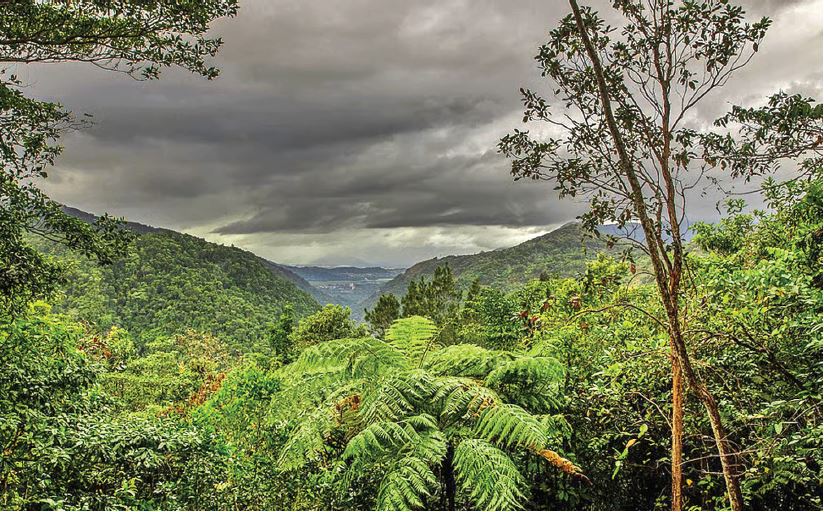
Forests in Australia’s tropical north have undergone a significant transformation, shifting from absorbing carbon to emitting it, according to a new study by scientists from the Australian National University. Published in the journal Nature, the research identifies this region as the first in the world where forests have moved from being a carbon sink to a carbon source, largely due to climate change.
The study focused on forests in northeastern Australia, particularly across Queensland, and found that the change began around the year 2000, though some data suggest the transition may have started slightly earlier, around 1998. Using nearly five decades of forest inventory data from 1971 to 2019, the researchers assessed carbon balance, forest growth and mortality patterns, and the influence of climatic factors, including temperature changes, droughts, and cyclones.
From 1971 to 2000, these forests acted as a carbon sink, accumulating carbon at a rate of 0.62 megagrams per hectare per year (Mg C ha−1 yr−1). However, after 2000, the same forests began releasing carbon at a rate of −0.93 Mg C ha−1 yr−1, indicating that they had become a net carbon source. The study found that the sink capacity declined at a steady rate of 0.041 Mg C ha−1 per year over the same period.
Lead author Hannah Carle from Western Sydney University said the finding underscores a critical threat to the capacity of woody biomass to serve as a carbon sink. “The change our study describes is largely due to increased tree mortality driven by climate change, including increasingly extreme temperatures, atmospheric dryness, and drought,” she said. “Regrettably, the associated increase in carbon losses to the atmosphere has not been offset by increased tree growth. This is surprising because higher carbon dioxide levels should make it easier for plants to scavenge carbon dioxide from the air, leading to more tree growth and greater carbon sink capacity.”
The research identified several climate factors contributing to the shift. Rising temperatures, increased vapour pressure deficit (VPD), and maximum climatological water deficit (MCWD) have emerged as major drivers of aboveground biomass loss. These factors act as indirect effects of temperature rise and have intensified over time due to human-induced climate change.
As a result, tree mortality has increased while carbon gains from new growth have failed to balance the losses. Forest dynamics were also affected by cyclones, which have caused additional damage by temporarily reducing carbon sink capacity. According to the study, cyclones increased tree mortality by about 19 per cent above normal levels, with their impact on the carbon balance persisting for up to six years after each event.
“This is cause for concern,” Carle said. “Cyclones are projected to become increasingly severe under climate change and to impact areas further south, affecting larger areas of forest to a potentially greater extent.”
Although cyclones significantly influence forest health, the study noted that they are not the sole cause of the shift. Even in the absence of cyclones, long-term data showed a consistent trend of escalating biomass loss, primarily linked to the ongoing effects of rising temperatures and drought stress.
The findings have major implications for global carbon accounting and climate targets. Forests play a key role in regulating atmospheric carbon dioxide levels, and their shift from sink to source could make it more difficult to limit global temperature rise to below 2 degrees Celsius.
The researchers warned that the continued weakening of natural carbon sinks would require stronger mitigation efforts to meet international climate goals. They also called for enhanced forest monitoring, better protection measures, and climate resilience strategies to prevent further degradation.
The study concludes that while natural disturbances like cyclones play a role, the underlying cause remains the accelerating effects of anthropogenic climate change. The long-term shift in Australia’s tropical forests marks a warning signal for other forest ecosystems worldwide, which may face similar transformations as global temperatures continue to climb.
London: Ukrainian President Volodymyr Zelensky told British media that Ukraine would restart strikes on Russia’s oil refineries and...

India has expressed concern over the alleged plot to carry out a mass shooting at a Hindu temple...

Islamabad: At least 31 children and two female teachers were killed, and more than 50 other people were...

A roof collapse at Al-Khair School in Peshawar, Pakistan, killed at least 28 children and a female teacher...

Kabul: The series of road accidents in Afghanistan continues unabated. A truck and a passenger bus collided head-on...

Texas Attorney General Ken Paxton has filed a lawsuit against baby food manufacturer Gerber and its parent company,...