Last Updated: October 16, 2026
Last Updated: October 16, 2026





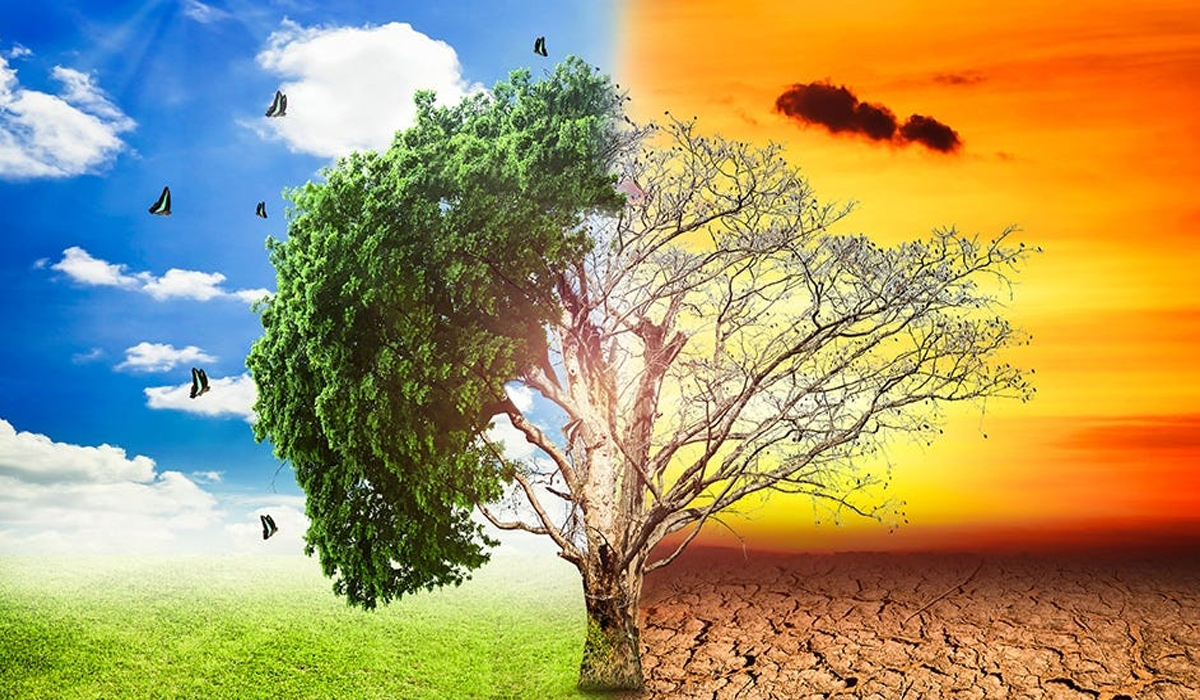
Climate change is no longer a distant idea or a warning placed somewhere in the future. For many people in middleincome countries across Latin America, Africa and Asia, it is already shaping daily life. A new survey by the Pew Research Center shows how strongly climate impacts are being felt and how these experiences are transforming public attitudes, anxieties and choices about the future.
The survey covered 12,375 adults across nine countries: Argentina, Brazil, India, Indonesia, Kenya, Mexico, Nigeria, South Africa and Turkey. Among them, 74 per cent said climate change has affected their communities to some degree. In the three Latin American countries surveyed, at least half the respondents said the crisis has deeply reshaped their societies. These are communities witnessing crop losses, intense heat waves, severe storms, shrinking water sources and local ecosystems under pressure. For many, this is not just an environmental issue; it is a direct social and economic concern.
The survey found that a majority of respondents are ready to modify how they live and work to cope with the worsening impacts. This readiness is strongest where everyday life has already become difficult due to changing weather patterns. The findings arrive shortly before the 30th Conference of Parties to the UN climate negotiations, which will take place in Belém, Brazil, a setting that highlights how climate change is affecting emerging economies. Clear signs of climate anxiety were observed in the survey. Most people expressed worry about personal harm from climate impacts in the coming years.
The concern was especially strong in Brazil and Indonesia, where more than 90 per cent said they are at least somewhat worried. Majorities in Argentina, Brazil, Indonesia, Kenya and South Africa said they are very concerned. This suggests that climate change has moved from being an abstract scientific discussion to a lived and emotional experience. When asked what specific climate threat worried them the most, drought and water scarcity emerged as the leading fear. A median of 47 per cent pointed to water shortages as the most serious risk. Extended heat waves concerned 21 per cent, while 19 per cent cited floods or intense storms. Rising sea levels ranked lower overall, at 7 per cent, though this varies by geography.Comparisons with a similar survey from 2015 show shifting levels of concern.
Personal fear of climate impacts has grown in Turkey, South Africa and Indonesia. In contrast, fewer people in Nigeria, India, Mexico, Argentina and Brazil now say they are worried about being harmed. The change may be influenced by political discourse, adaptation measures already underway or shifting public priorities. Age and education influence how people assess climate impacts and their willingness to act. Younger adults in India, Indonesia, Turkey and Mexico were more likely than older adults to say they feared personal harm. Younger respondents were also more open to changing their lifestyle or work patterns to adapt. Education played a role as well. In most countries, those with at least upper secondary education were more willing to make meaningful changes compared with those who had less schooling.
However, willingness to adopt major lifestyle changes varied widely between countries. Only 17 per cent in Turkey said they were willing to make substantial adjustments, compared with 53 per cent in Kenya. This reflects different economic realities, levels of trust in public institutions and the immediacy of local climate impacts. Despite widespread concern, there is still some optimism. A median of 62 per cent of respondents expressed at least some confidence that global cooperation can reduce the effects of climate change. Confidence was strongest in India, Indonesia and Kenya, where more than 70 per cent of adults believe the international community can make a meaningful difference.
In Argentina, Mexico and Turkey, fewer than half expressed such confidence. The survey also explored public thinking on responsibility. A median of 59 per cent said that a country’s level of carbon emissions should determine how much it must do to address climate change, rather than its wealth.
This suggests growing public awareness of emissions inequality and the idea that responsibility must reflect contribution to the problem. The study highlights a clear pattern: climate change has moved from distant concern to lived reality, shaping expectations, fears and political outlooks across middle-income nations.
London: Ukrainian President Volodymyr Zelensky told British media that Ukraine would restart strikes on Russia’s oil refineries and...

India has expressed concern over the alleged plot to carry out a mass shooting at a Hindu temple...
Islamabad: At least 31 children and two female teachers were killed, and more than 50 other people were...
A roof collapse at Al-Khair School in Peshawar, Pakistan, killed at least 28 children and a female teacher...

Kabul: The series of road accidents in Afghanistan continues unabated. A truck and a passenger bus collided head-on...
Texas Attorney General Ken Paxton has filed a lawsuit against baby food manufacturer Gerber and its parent company,...