Last Updated: October 6, 2026
Last Updated: October 6, 2026





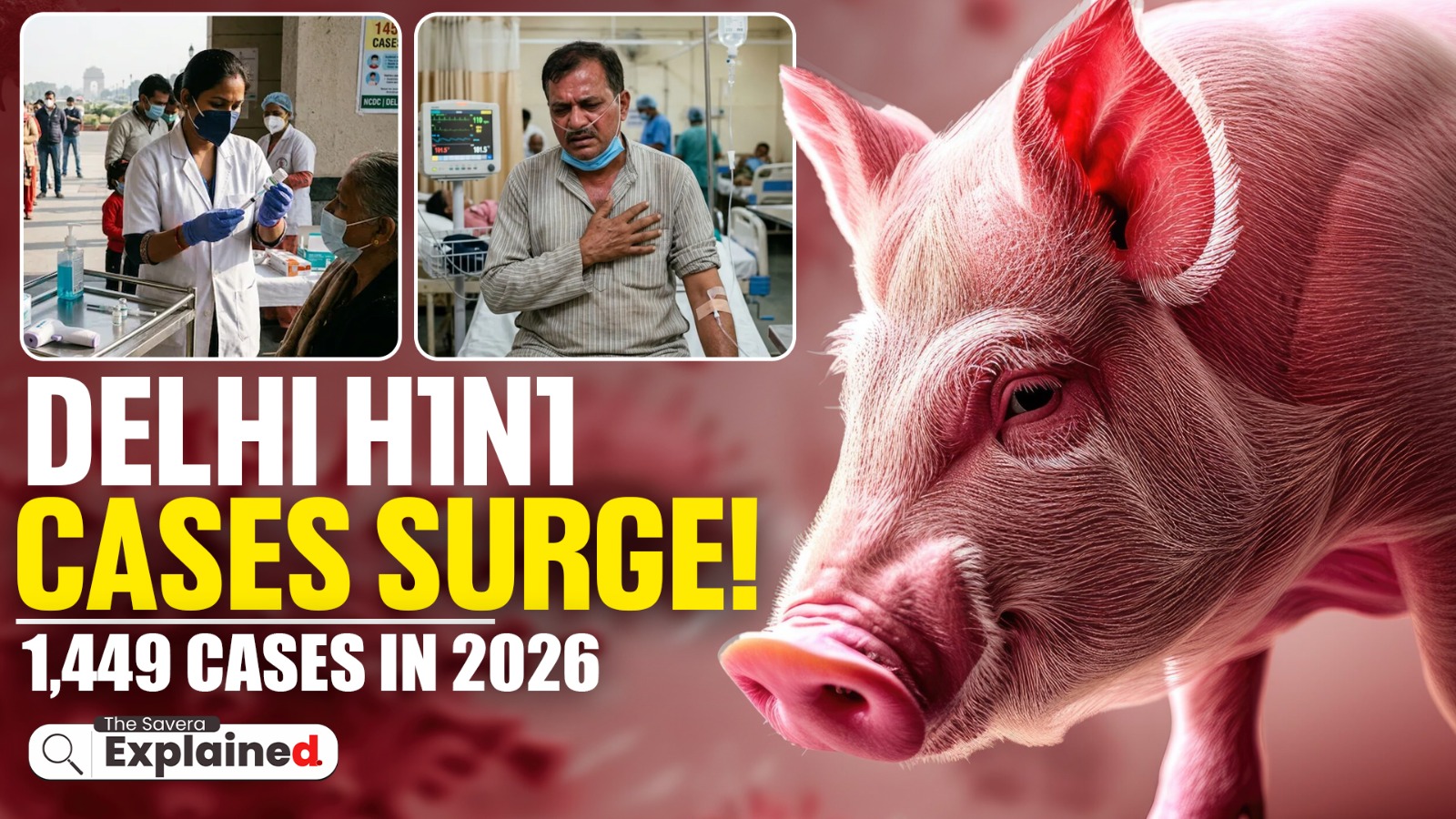
Delhi’s H1N1 cases have risen sharply this monsoon, making it important to know when a simple-looking flu may need medical attention. H1N1, commonly called swine flu, is an influenza A virus that affects the nose, throat and lungs. Its symptoms can look similar to seasonal flu, but some people can develop serious respiratory complications.
Delhi Sees Sharp Rise in Cases
According to the latest National Centre for Disease Control data reported on August 14, Delhi had recorded 1,449 H1N1 cases in 2026 up to August 12. This is more than six times the 229 cases recorded during the same period in 2025. Earlier reports this week had put the count at 1,349, showing that additional cases were recorded as data was updated.
The rise has prompted hospitals to strengthen preparedness. Delhi Health Minister Pankaj Kumar Singh said patients were being tested and treated, while dedicated arrangements, including influenza wards, have been made at hospitals such as Ram Manohar Lohia Hospital and Safdarjung Hospital.
What Are the Early Warning Signs?
H1N1 symptoms often begin suddenly and can be similar to regular flu. Watch for:
Some people, especially children, may also have vomiting or diarrhoea. Not everyone with influenza develops a fever.
The problem is that these symptoms can overlap with many other viral illnesses. So, symptoms alone cannot confirm H1N1.
When Should You Get Tested?
Not every person with a mild cold or cough needs an H1N1 test. But you should speak to a doctor if flu-like symptoms are severe, are getting worse, or you belong to a group at higher risk of complications. These include young children, older adults, pregnant women and people with certain chronic medical conditions.
Testing may also be advised when a doctor suspects influenza and the result could affect treatment or infection-control decisions. Do not self-diagnose based only on fever, cough or body aches.
If you develop difficulty breathing or shortness of breath, chest or abdominal pain or pressure, sudden dizziness, confusion, severe or persistent vomiting, or symptoms that improve but return with fever and a worse cough, seek urgent medical attention.
Who Needs to Be More Careful?
For many otherwise healthy people, influenza can remain mild and improve with proper rest and medical advice. However, complications can be more serious in vulnerable groups. People with chronic illnesses should not ignore worsening respiratory symptoms.
It is also important to remember that H1N1 is caused by a virus. Antibiotics do not treat viral influenza unless a doctor finds a separate bacterial infection.
How Can You Reduce the Risk?
Cover your cough and sneeze, wash hands regularly, avoid close contact when you are sick and follow medical advice on staying home during illness. Seasonal influenza vaccination is also an important preventive tool, and H1N1 strains continue to be included in seasonal flu vaccines.
The key message amid Delhi’s rising case count is simple: do not panic, but do not dismiss persistent or worsening flu symptoms either. Early medical advice is especially important for high-risk people and anyone developing breathing difficulty or other emergency warning signs.
Imagine being seriously injured inside a flying aircraft, with blood on your clothes, passengers in panic and the...

Imagine the world’s biggest diesel exporter turning off its export taps. That is the concern after US President...

For India’s pharmaceutical industry, the latest US tariff decision brings relief — but not across the entire medicines...

One handshake, two superpowers and a long list of disagreements. US President Donald Trump and Chinese President Xi...

A river does not understand borders. But when two countries sharing that river are locked in a long-running...

A voter list revision — and now a software controversy A voter may have the right to vote,...

Aries: The day will be auspicious...