Last Updated: October 17, 2026
Last Updated: October 17, 2026





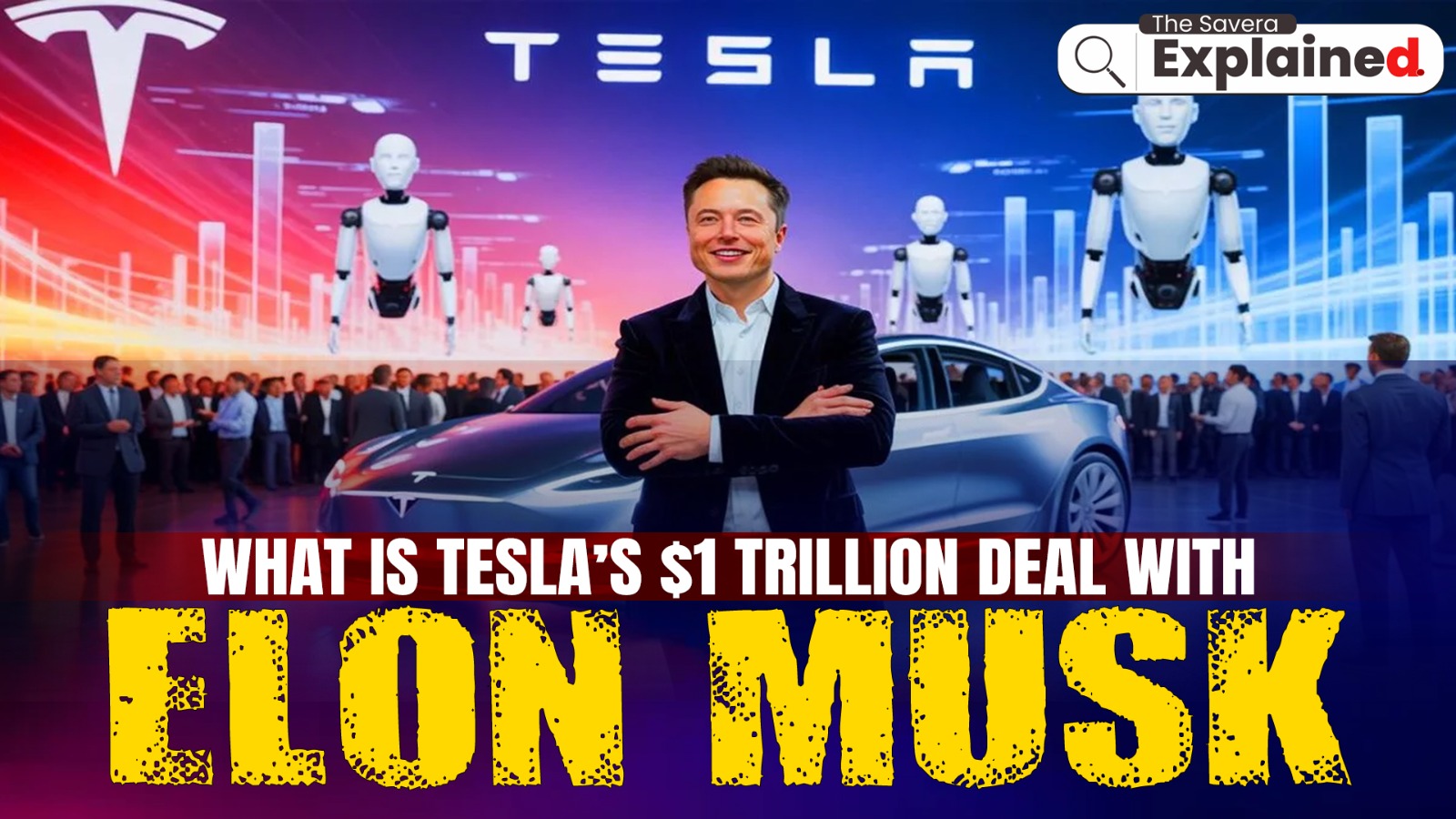
Tesla has never been a company that plays by conventional rules — and its latest move proves it again. In early 2025, Tesla’s board proposed a performance-based compensation package for CEO Elon Musk that could be worth up to $1 trillion. Yes, trillion — with a “T”.
But this isn’t just a mind-blowing number for headlines. The deal has major implications for Tesla’s future, its shareholders, and the role Elon Musk will play in the company’s long-term vision.
Here’s everything you need to know about this unprecedented proposal.
What Is Tesla Offering Musk?
Unlike traditional compensation packages, this deal offers no salary or cash bonuses. Instead, Musk will only receive Tesla stock — and even that comes with strict conditions.
To unlock the full $1 trillion value of the package, Musk must achieve a series of 12 extremely ambitious milestones over the next 10 years. Each milestone unlocks a tranche of stock options. If he doesn’t hit the targets, he earns nothing.
This makes the plan entirely performance-based, and arguably the most aggressive corporate incentive plan in history.
What Are the Targets?
The performance goals span across multiple aspects of Tesla’s business and technology roadmap. Here are the key milestones:
Market Capitalization: Tesla must grow its valuation from roughly $1 trillion to $8.5 trillion, putting it among the most valuable companies in the world.
Vehicle Production: Deliver 20 million electric vehicles in total over the decade — more than any automaker has ever achieved in that time frame.
Robotaxis: Deploy at least 1 million autonomous robotaxis into commercial service, operating without human drivers.
Humanoid Robots: Successfully build and deploy 1 million AI-powered Optimus robots, capable of working in homes and factories.
Full Self-Driving (FSD): Reach 10 million paid FSD subscriptions — not just users on trial versions, but paying customers.
Each of these milestones is tied to one tranche of shares. If only some are achieved, Musk gets only the corresponding portion of the stock. If none are met, he walks away with nothing.
Why Now?
Tesla’s board has made it clear: this isn’t just about rewarding Musk for past success — it’s about securing the company’s future.
Elon Musk currently runs or influences several high-profile ventures, including SpaceX, Neuralink, xAI, and social media platform X (formerly Twitter). The board wants to ensure that Musk stays fully committed to Tesla over the long term.
Tesla is facing real challenges. EV demand has slowed globally, competition is heating up — especially from Chinese automakers — and profits are under pressure. The company’s stock performance has also been volatile.
Musk’s controversial political commentary and online behavior have caused divisions among Tesla’s customer base. Some investors and customers have expressed concern about how his personal actions are affecting the company’s brand. This package may be a strategic attempt to bring focus back to Tesla’s mission.
How Long Does Musk Have?
The plan covers a 10-year period. Some shares are set to vest after 7.5 years, with the rest spread out until year 10. However, the clock starts ticking only once shareholders approve the deal — likely by late 2025.
To receive the shares:
Musk must still be in an eligible executive role at Tesla
All milestones must be verifiably met
Unmet targets = forfeited shares
This means the risk is significant — but so is the reward.
What Do Supporters Say?
Proponents of the deal argue that it’s a smart way to:
Align Musk’s incentives with shareholder value
Drive unprecedented innovation
Deliver results before any payout happens
They point to Musk’s 2018 compensation plan, which used a similar structure. That deal helped grow Tesla from a $50 billion company to over $1 trillion in value within five years.
If Musk pulls it off again, Tesla could dominate not just the EV market, but also robotics, AI, and autonomous transport.
What Do Critics Say?
Not everyone is convinced.
Many argue the $1 trillion figure is excessive — especially given that Musk is already among the world’s wealthiest individuals.
A deal this large would mean issuing a massive amount of new shares, which could dilute existing investors’ ownership — especially if Tesla doesn’t grow as expected.
Some governance experts worry that the board may be too loyal to Musk, and question whether proper oversight is in place.
Skeptics argue that the targets are too optimistic — particularly in areas like robotaxis and humanoid robotics, where real-world progress has been slower than projected.
What Happens Next?
Before anything can move forward, Tesla shareholders will have to vote to approve the deal. The vote is expected to take place in November 2025.
If approved, the deal will instantly become one of the most ambitious executive pay packages in corporate history — and a litmus test for what kind of future Tesla is aiming to build.
Tesla’s $1 trillion pay package offer to Elon Musk isn’t just about money. It’s about sending a clear message: the company is betting everything on its ability to lead the next generation of transportation, AI, and robotics — with Musk at the helm.
Whether that bet pays off remains to be seen. But if Musk succeeds, both he and Tesla could redefine what’s possible in the next decade of innovation.
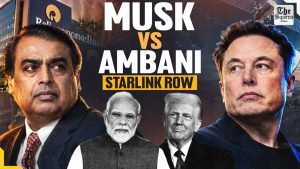
What happens when the world’s richest business leaders clash over one of the world’s biggest internet markets? A...
Mumbai: Benchmark equity indices rallied in a consecutive day on Friday due to falling oil prices and a...
Finance Minister Nirmala Sitharaman has called for an early conclusion of the India-US Bilateral Trade Agreement. The proposed...
Indian markets slipped in early trade on Friday after Thursday's strong rally. IT shares offered support, while several...

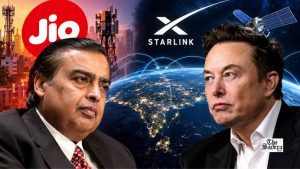
Reliance Industries says it welcomes Starlink and other players in India's satellite communications market, but insists that all...
The government has increased the export duty on petrol from ₹0.50 to ₹2.50 per litre and reduced the...
Aries: The day will be auspicious...