Last Updated: October 6, 2026
Last Updated: October 6, 2026





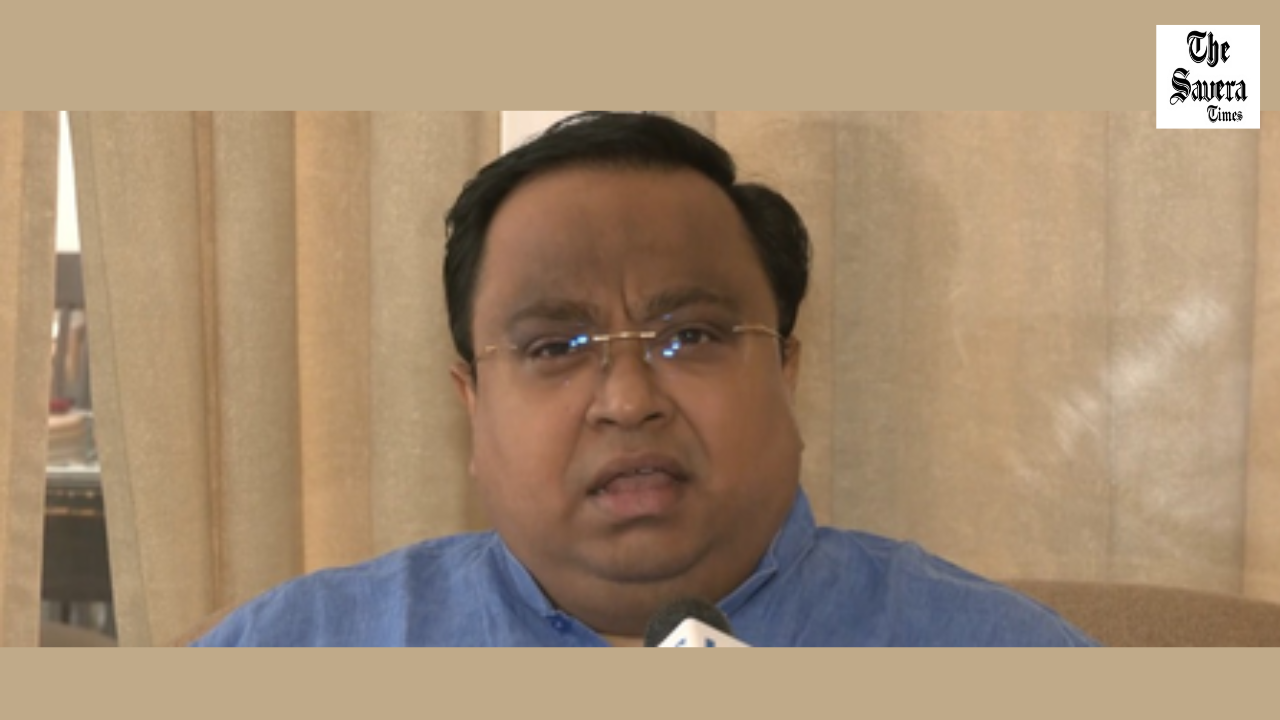
Biju Janata Dal (BJD) MP Sasmit Patra has raised concerns over the Centre’s recent decision to cut excise duty on petrol and diesel, warning that it could lead to a massive revenue loss of ₹3–4 lakh crore for the government.
Speaking on the issue, Patra questioned the long-term fiscal implications of the move, stating that while it may provide short-term relief to consumers, it could significantly strain government finances.
The Centre recently reduced excise duty on fuel to cushion consumers from rising global crude oil prices. However, the decision has triggered a debate among policymakers and economists over balancing public relief with fiscal stability.
According to estimates cited in recent reports, even smaller reductions in fuel taxes can lead to substantial losses for the exchequer. For instance, earlier assessments suggest that such cuts could create significant revenue gaps depending on duration and scale.
Patra argued that a large-scale and prolonged duty reduction could multiply these losses, potentially reaching ₹3–4 lakh crore if sustained over time.
The BJD leader also questioned whether the benefits of the excise duty cut would fully reach consumers. He pointed out that global crude oil price volatility and other cost factors often limit the extent of relief passed on to the public.
Patra emphasized the need for transparency and accountability, asking whether oil companies would ensure that reduced taxes translate into lower retail fuel prices.
A significant drop in revenue could affect the government’s ability to fund welfare schemes, infrastructure projects, and development programmes. Fuel taxes have traditionally been a major source of income for the Centre.
Experts note that any major reduction in such revenues may require the government to either cut spending, increase borrowing, or find alternative revenue sources.
The issue highlights the broader challenge faced by governments—balancing inflation control with fiscal discipline. While lowering fuel prices can ease inflation and reduce the cost of living, it also limits the government’s fiscal flexibility.
Economists suggest that targeted subsidies or calibrated tax adjustments may be more sustainable approaches rather than large-scale duty cuts.
The excise duty cut has sparked reactions from multiple political parties, with some welcoming the move as pro-consumer, while others, like the BJD, cautioning against its economic consequences.
The debate is expected to continue as policymakers assess the real impact of the tax cut on both fuel prices and government revenues in the coming months.
While the excise duty cut on petrol and diesel aims to provide immediate relief to consumers, concerns raised by Sasmit Patra highlight the potential long-term fiscal risks. Striking a balance between affordability and economic stability will remain crucial for policymakers.
Opposition MPs from the INDIA bloc marched to the Election Commission in New Delhi on October 6, demanding...
Chief Justice of India (CJI) Surya Kant will on Tuesday administer the oath of office to three new...
President Droupadi Murmu is on a three-day Himachal Pradesh visit from October 6 to 8, including the first...

AJUP founder and MLA Humayun Kabir was arrested during voting for the Rejinagar Assembly bypoll after allegedly threatening...

A three-year-old child died after being allegedly dragged away by a leopard in Gujarat’s Navsari district. Five forest...

A Delhi court granted bail to 17 students and freelance journalists arrested during a protest against CEC Gyanesh...
Aries: The day will be auspicious...