Last Updated: October 26, 2026
Last Updated: October 26, 2026





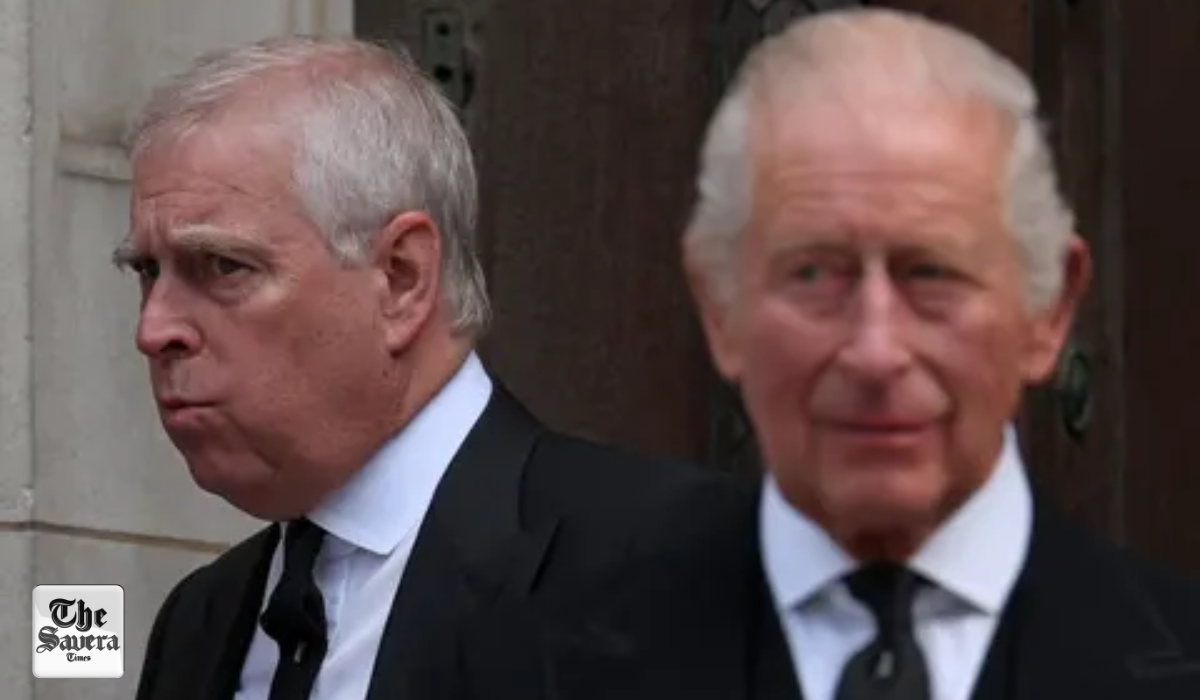
One photograph can shake an institution. Images of Prince Andrew under investigation for his links to Jeffrey Epstein have once again put the British monarchy in the global spotlight — and not for the right reasons.
While there is no verified arrest of Andrew, his continuing legal and reputational troubles have revived a deeper debate: is the monarchy strong enough to survive repeated scandals, or is public faith finally wearing thin?
Who Is Prince Andrew? Background Context
Prince Andrew is the younger brother of King Charles III and was once a senior working royal. For years, he represented Britain at international events and enjoyed a prominent public role.
That changed after his association with Epstein became public. In 2019, Andrew stepped back from royal duties. He later lost his military titles and royal patronages and no longer uses the “HRH” style in any official capacity. Within the royal setup, Andrew is now largely sidelined.
What Are the Allegations — and the Legal Status?
Andrew has denied all criminal wrongdoing. UK authorities have assessed material linked to Epstein to decide whether any criminal threshold is met. As of now, Andrew has not been arrested or charged in the UK.
In the United States, he settled a civil lawsuit brought by Virginia Giuffre in 2022, without admitting guilt. For the public, this legal complexity often gets lost in viral claims and headlines. The key fact remains: investigations and scrutiny continue, but there is no confirmed arrest.
Why This Matters for the Monarchy
The Damage Goes Beyond One Man
The monarchy depends heavily on public respect. When a senior royal is linked to scandal, it reflects on the entire institution. Even if Andrew is separated from royal duties, the association still hurts the monarchy’s image.
A Test of Fairness and Equality
Many people ask whether royals are treated like ordinary citizens under the law. How firmly the Palace distances itself from Andrew matters. Any hint of protection or cover-up risks deeper public anger.
Public Trust Is Already Weakening
Public support for the monarchy has been slowly declining, especially among younger citizens. A series of royal controversies over the decades — abdications, divorces, and public family disputes — have reduced the sense of mystery and reverence around the Crown.
Andrew’s case is more damaging because it is linked to alleged criminal behaviour, not just personal or family conflict. That makes people question the values of the institution itself.
What the Palace Has Done
Buckingham Palace has taken visible steps to distance the monarchy from Andrew. He has been removed from public-facing royal life, stripped of honorary roles, and excluded from official events.
The message from the Palace has been consistent: Andrew’s legal and personal issues are his own, and they do not represent the Crown. This separation is meant to protect the monarchy from further damage.
Could the Monarchy Collapse?
The short answer is no, not immediately. The monarchy is part of Britain’s constitutional structure. Ending it would require major political change and broad public support — something that does not exist at present.
However, repeated scandals weaken the institution over time. If more damaging revelations emerge, public patience could thin further. The monarchy’s survival now depends on transparency, accountability, and proving that no one is above scrutiny.
Prince Andrew’s troubles do not bring down the monarchy overnight. But they add to a growing crisis of trust. Each scandal strips away a little more of the aura that once protected the royal family. The institution survives — for now — but its future will depend on how convincingly it reforms and rebuilds public confidence.
Imagine opening WhatsApp on your phone, but the SIM card linked to your account is not inside the...

Delhi’s air pollution is once again raising health concerns, with the Air Quality Index (AQI) entering the ‘poor’...
Ladakh is seeing two changes at once: a new district has been announced, and the Centre has proposed...
What if a decision taken in Washington could influence India’s oil bills, export earnings and trade relations with...
What happens when the world’s richest business leaders clash over one of the world’s biggest internet markets? A...
Pakistan is heading into its wheat-growing season with a serious water problem. The country is facing a projected...
Aries: The day will be auspicious...