Last Updated: October 15, 2026
Last Updated: October 15, 2026





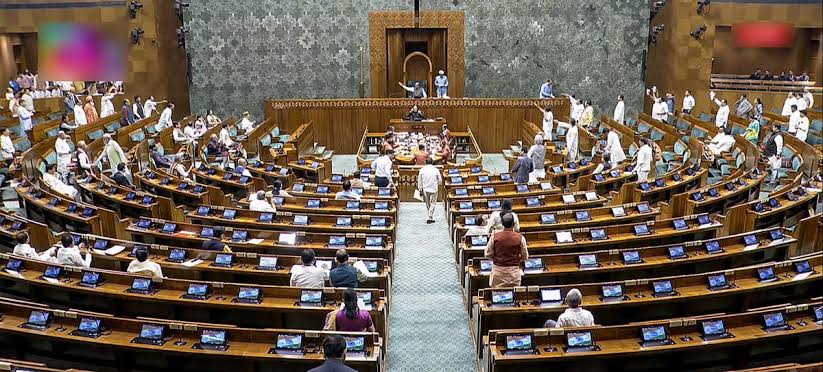
On July Saturday, a day before the start of the monsoon session of Parliament, a meeting of ruling and opposition MPs chaired by Defense Minister Rajnath Singh advocated for a conducive atmosphere and a focus on discussion and deliberation throughout the 19 days of the session, but the tension remained. Opposition MPs first walked out in protest of the permission granted to rebel Trinamool Congress MPs, then rejoined the meeting, claiming the protest was symbolic. It was then clear what the mood of the monsoon session would be. Prime Minister Narendra Modi had stated before the session began that the country needed reason, not a storm. However, the uproar that unfolded from Parliament to the streets of Delhi on July 20th was more of a storm and less of a reasoning. Even before the session began, opposition leader Rahul Gandhi and Congress President Mallikarjun Kharge’s letter to Prime Minister Narendra Modi on the issue of offering theft in Ayodhya indicated that the atmosphere of the Parliament session would be similar to that seen in every previous session. The current session also included topics that were expected to generate heated debate, such as the offering theft in Ayodhya, rigging in the NEET exam, and Sonam Wangchuk’s hunger strike with the Cockroach Janata Party. However, outside Parliament, the student protests demanding the resignation of the Education Minister and other demands for rigging in the NEET exam and the Parliament march were more disruptive than these issues. The issue of Manipur was also involved, and a debate on blending ethanol with petrol could have been thoughtprovoking. However, after uproar and poster displays over Ayodhya and student issues, Parliament was adjourned six times. Ultimately, both the Lok Sabha and Rajya Sabha were adjourned for the day. While the first day of the monsoon session of Parliament was marred by uproar, an even greater uproar unfolded on the streets of Delhi. The issues of irregularities in the NEET exams, and Sonam Wangchuk’s agitation for the resignation of the Education Minister, and his forced abduction, called by the Cockroach Janata Party, were at the forefront on Monday. Thousands of young people gathered at Jantar Mantar. Health Minister J.P. Nadda had already invited them for talks, but without waiting for the outcome of that discussion, the student group was so enthusiastic that they marched directly to Parliament. The crowd wanted to break through the barricades and proceed towards Parliament. To stop the crowd, the police resorted to lathi charge and tear gas shells. Police increased security at Parliament. It’s natural for the younger generation to be outraged by the paper leak issue, but it’s important to ensure that this issue doesn’t become politicized. Different political parties shouldn’t exploit this issue for political gain. It would be better to resolve this issue to the satisfaction of the youth. The government will need to make permanent changes to the examination structure to ensure that the problem of paper leaks doesn’t recur, cheating syndicates can’t operate, and students receive fair value for their hard work. We hope the central government will take the necessary decision on this issue, and dialogue between the government and students has already begun. We suggest that everyone, whether students or opposition MPs, should work with the government to find an effective solution to the problem through meaningful discussions.
New Delhi: India’s pharmaceutical sector performed exceptionally well in September 2026, recording the highest monthly growth in the...

Prime Minister Narendra Modi on Thursday inaugurated and dedicated to the nation five major development projects worth approximately...
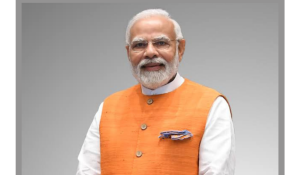
New Delhi: The Supreme Court on Thursday issued notice to the Election Commission of India (ECI) on a...
Supreme Court: Person Converting from Hinduism to Islam Cannot Claim Backward-Class Muslim Status
Higher reaches of Jammu and Kashmir received the season’s first snowfall, covering Doda, Gurez Valley and Pir Ki...
Mumbai Police has issued a 'Leave India' notice to Bollywood superstar Aamir Khan's nephew and actor Imran Khan....
Aries: The day will be auspicious...