Last Updated: October 12, 2026
Last Updated: October 12, 2026





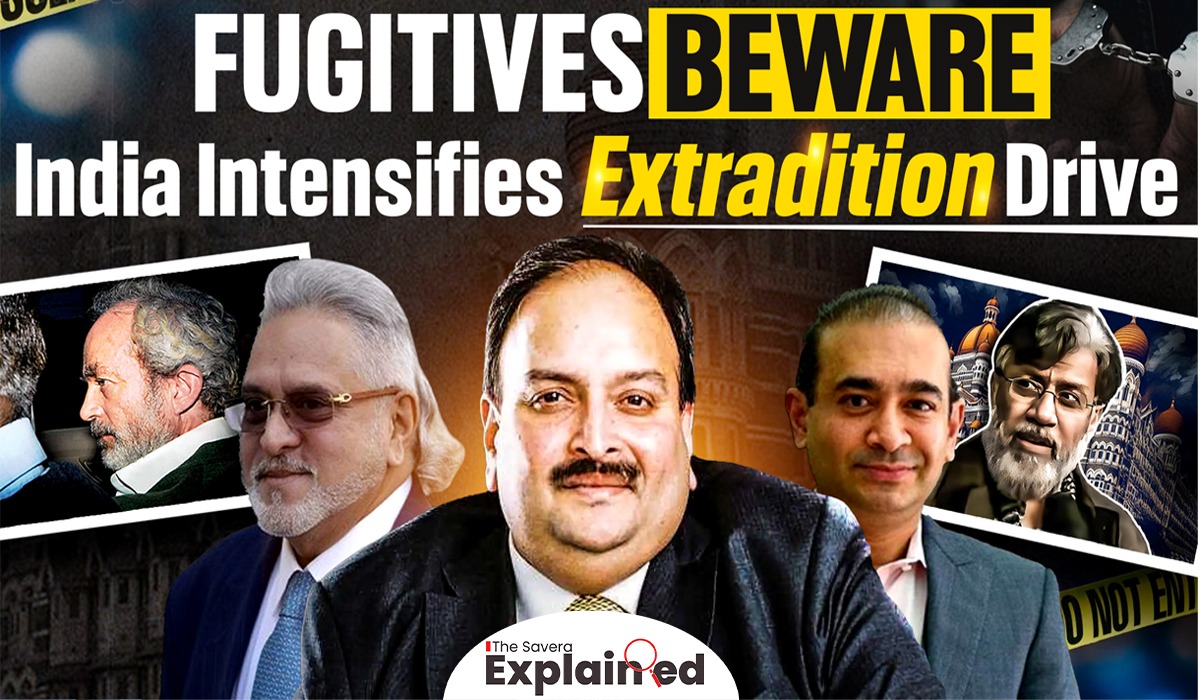
New Delhi: A Belgian court’s ruling in the extradition proceedings concerning Mehul Choksi, a prime accused in the Punjab National Bank scam, marks a major development in India’s efforts to bring him back to face trial.
Choksi, who fled India in 2018, has long been pursued by Indian authorities. On October 22, the Antwerp Court of Appeal dismissed his claims that he faced political persecution or risk of torture if returned to India.
The court said he failed to prove any real danger of mistreatment or unfair trial.
India backed its case with detailed assurances — even showing photos of Choksi’s proposed 3-square-meter cell in Mumbai’s Arthur Road Jail, Barrack No. 12, equipped with clean bedding, ventilation, and medical facilities.
Detained in Belgium since April, Choksi now has 15 days to appeal to the Belgian Supreme Court.
If he doesn’t, he could soon be on a flight back to India — another win in the country’s intensified global chase for fugitives.
India’s Strong Extradition Push
Over the past few years, India has launched one of its most aggressive extradition drives ever.
The Central Bureau of Investigation (CBI), Enforcement Directorate (ED), and the Ministry of External Affairs (MEA) are working together through 48 extradition treaties and 12 special arrangements with other nations.
Between 2020 and 2024, India sent 133 extradition requests — the highest number on record, with 39 requests made in 2024 alone. The country also received 79 requests from other nations in the same period.
In total, more than 300 Indian extradition cases remain pending across the world — a sign of the growing global focus on cross-border crime.
Most Extradited Are Economic Offenders
Data from RTI replies and Parliament records between 2002 and 2024 shows a clear trend: Most fugitives extradited to India are economic offenders.
Here’s how the numbers break down:
The figures show that white-collar crime is driving India’s extradition efforts. Many of these offenders fled after major bank scams and financial frauds — like Choksi, Nirav Modi, and Vijay Mallya — costing banks and taxpayers thousands of crores.
Top Partner Countries: UAE and US Lead the Way
India has managed extraditions from 26 countries, but the UAE and the United States top the list.
The UAE has primarily sent back economic offenders, while the US has cooperated mainly in terror-related cases. Other contributors include Canada, the UK, Thailand, and Mauritius.
Notable Recent Returns
Some major names have already been brought back under this drive:
In September 2025, a UK Crown Prosecution Service team even visited Tihar Jail in Delhi to inspect conditions before the next phase of hearings.
Between 2020 and 2025, the CBI facilitated 134 returns through extradition and deportation combined.
Amit Shah’s Directive: Build Global-Standard Jails
On October 16, Home Minister Amit Shah urged all Indian states to create special prisons for fugitives that meet international human rights standards.
The move aims to counter frequent defence arguments in foreign courts that India’s jail conditions are “poor” or “unsafe.”
Shah also called for cancelling passports of fugitives with Interpol Red Notices and setting up a national fugitive database. His message was firm: “Zero tolerance for border-hoppers.”
Why It Matters
India’s rising success in extraditions is reshaping how the world views its justice system.
It’s helping:
With Mehul Choksi one step closer to return, India’s message to fugitives worldwide is clear —
No safe havens left. Justice will find you.
Imagine a foreign national standing among Indian citizens at a political protest, raising questions about the government or...

For thousands of Indian tech workers in the United States, a job offer is only the beginning of...

Three years ago, on October 7, 2023, Israel woke up to one of the deadliest attacks in its...

Imagine being seriously injured inside a flying aircraft, with blood on your clothes, passengers in panic and the...

Imagine the world’s biggest diesel exporter turning off its export taps. That is the concern after US President...
For India’s pharmaceutical industry, the latest US tariff decision brings relief — but not across the entire medicines...
Aries: The day will be auspicious...