Last Updated: October 26, 2026
Last Updated: October 26, 2026





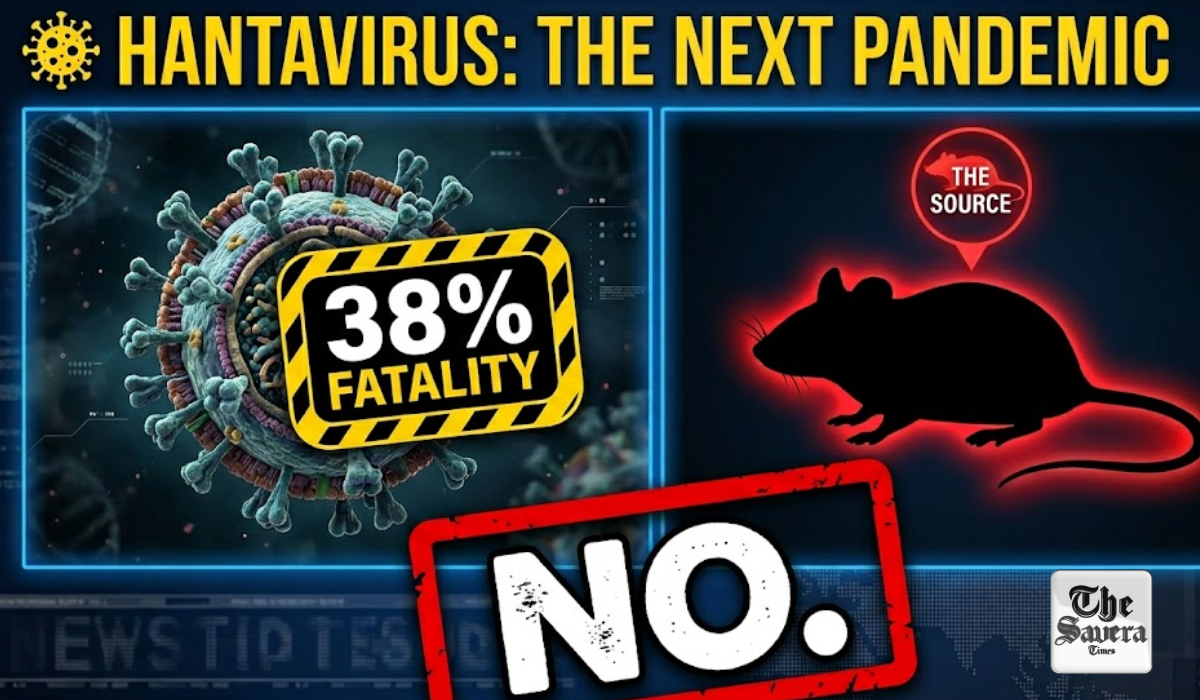
An expedition cruise through the icy waters of Antarctica was supposed to be the journey of a lifetime. Instead, it has triggered an international health alert that is now drawing attention across continents.
The expedition cruise ship MV Hondius, carrying 147 passengers and crew from over 20 countries, left Ushuaia, Argentina, in early April for a journey through some of the world’s most remote waters.
But weeks later, several passengers developed severe respiratory illness. Three people have died, others remain under treatment, and health agencies across countries are now tracking passengers who disembarked from the ship.
The virus behind the outbreak: hantavirus — specifically the Andes strain.
The news has triggered global anxiety and inevitable comparisons with COVID-19. A cruise ship, international passengers, rising cases — the similarities sound alarming. But health experts say this is very different from the coronavirus pandemic.
What is Hantavirus?
Hantaviruses are a group of viruses mainly carried by rodents such as rats and mice. Humans usually get infected after breathing in virus particles from rodent urine, saliva, or droppings — especially in dusty or poorly ventilated spaces.
It is not a new virus. Different hantavirus strains have existed for decades in several parts of the world. Some affect the lungs, causing Hantavirus Pulmonary Syndrome (HPS), while others damage the kidneys.
The strain linked to the cruise outbreak is believed to be the Andes virus, found mainly in South America and known for causing severe respiratory illness.
What Happened on the Cruise Ship?
According to reports, passengers aboard the MV Hondius initially developed flu-like symptoms including fever, fatigue, and body pain. In some cases, the illness rapidly worsened into severe breathing problems.
By early May 2026, around seven to eight cases had been linked to the voyage, with three confirmed deaths. One patient in South Africa was reported to be critically ill, while others had milder symptoms.
Because passengers had already travelled onward to different countries, authorities launched contact-tracing efforts as a precaution. The ship is now reportedly heading toward the Canary Islands under strict health monitoring protocols.
Can Hantavirus Spread Like COVID?
This is the biggest question — and experts say the answer is no.
Most hantavirus strains do not spread from person to person at all. Infection usually occurs directly from rodents to humans.
The Andes strain is one of the rare exceptions where limited human-to-human transmission has been observed in past outbreaks. But even then, spread required very close and prolonged contact, usually among family members or caregivers.
It does not spread easily through casual interaction, public spaces, or airborne transmission like COVID-19.
That makes a major difference. Unlike coronavirus, hantavirus has never shown the ability to spread rapidly across communities or countries through everyday contact.
Symptoms and Risks
Symptoms can appear one to eight weeks after exposure. Early signs resemble the flu — fever, chills, muscle aches, headache, nausea, and tiredness.
In severe cases, patients develop coughing, breathing difficulty, and fluid buildup in the lungs. The disease can become critical very quickly.
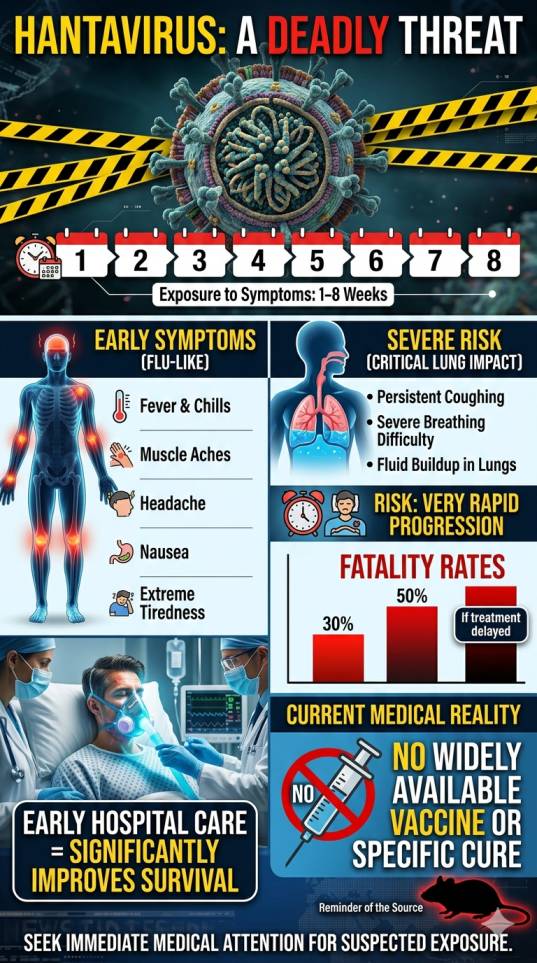
Some hantavirus strains have fatality rates between 30 and 50 per cent if treatment is delayed. However, early hospital care significantly improves survival chances.
There is currently no widely available vaccine or specific cure.
Should the World Be Worried?
Health authorities, including the WHO, say the current risk to the public remains low. So far, this appears to be a contained outbreak linked to one ship — not a fast-moving global threat.
Experts stress that this is a serious medical incident, but not the beginning of another pandemic.
For now, the best protection remains simple: avoid rodent exposure, maintain hygiene in potentially infested areas, and rely on verified health information instead of panic-driven speculation.
Imagine opening WhatsApp on your phone, but the SIM card linked to your account is not inside the...

Delhi’s air pollution is once again raising health concerns, with the Air Quality Index (AQI) entering the ‘poor’...
Ladakh is seeing two changes at once: a new district has been announced, and the Centre has proposed...

What if a decision taken in Washington could influence India’s oil bills, export earnings and trade relations with...

What happens when the world’s richest business leaders clash over one of the world’s biggest internet markets? A...

Pakistan is heading into its wheat-growing season with a serious water problem. The country is facing a projected...

Aries: The day will be auspicious...