Last Updated: October 21, 2026
Last Updated: October 21, 2026





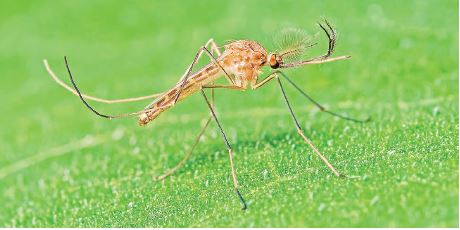
Mosquitoes, long absent from the island of Iceland, have finally made their appearance, marking the end of one of the planet’s last mosquito-free regions. An Icelandic insect enthusiast, Hjaltason, discovered the insects over several nights last week while observing moths using wine-soaked ropes, according to local media reports cited by the BBC.
Until now, Iceland, alongside Antarctica, had remained a rare refuge free from mosquitoes. Its cold climate, short summers, and lack of stagnant water have historically prevented mosquitoes from breeding. The discovery highlights how climate shifts may be altering ecosystems in unexpected ways.
Hjaltason found two female mosquitoes and one male in Kjós, a glacial valley southwest of Reykjavik. The insects were sent to the Icelandic Institute of Natural History for identification. Entomologist Matthías Alfreðsson confirmed the insects as Culiseta annulata, a mosquito species capable of surviving winter conditions. This species is common in parts of Europe and North Africa, but its presence in Iceland is unprecedented.
How the mosquitoes arrived on the island remains unclear. Scientists speculate that rising temperatures may have allowed them to survive in previously inhospitable environments, or that they were inadvertently transported by humans or vehicles.
This year, Iceland has experienced record-breaking heat, which may have contributed to the establishment of the insects. Typically, Iceland sees temperatures above 20 degrees Celsius only briefly in May, but this year heatwaves lasted for ten consecutive days across different parts of the country. The highest recorded temperature in May reached 26.6 degrees Celsius (79.8 Fahrenheit) at Eglisstaðir Airport, setting a new record.
“The last fortress seems to have fallen,” Hjaltason told Morgunblaðið, reflecting both surprise and concern at the arrival of mosquitoes in a region that had long resisted them.
While the ecological impact of these first arrivals is still uncertain, entomologists warn that even small populations of mosquitoes could spread quickly if conditions remain favourable. Culiseta annulata is not known to be a major disease carrier in Europe, but its presence underscores how climate change is reshaping species distribution in ways previously considered unlikely.
For decades, Iceland’s isolation and harsh environment allowed it to remain mosquito-free, a unique ecological distinction that attracted scientists and naturalists alike. The arrival of mosquitoes now signals a subtle but visible shift in the island’s environment, potentially foreshadowing broader changes in biodiversity and human experience in the years to come.
Protests in Jakarta, Yogyakarta and Bandung brought students onto the streets over rising costs, forest fires and civil...

Organisations linked to Neville Roy Singham are under US congressional scrutiny over funding. Their coverage of protests in...

US President Donald Trump says Washington and New Delhi are close to a trade agreement that will differ...

Iran has ruled out transferring its enriched uranium stockpile outside the country, with security official Mohsen Rezaei reiterating...

Donald Trump has urged Volodymyr Zelensky to pursue a peace deal with Russia, warning that Ukraine could face...

Pakistan, battling insurgencies at home and tensions along multiple borders, is too overstretched to offer meaningful military support...

Aries: The day will be auspicious...