Last Updated: October 26, 2026
Last Updated: October 26, 2026





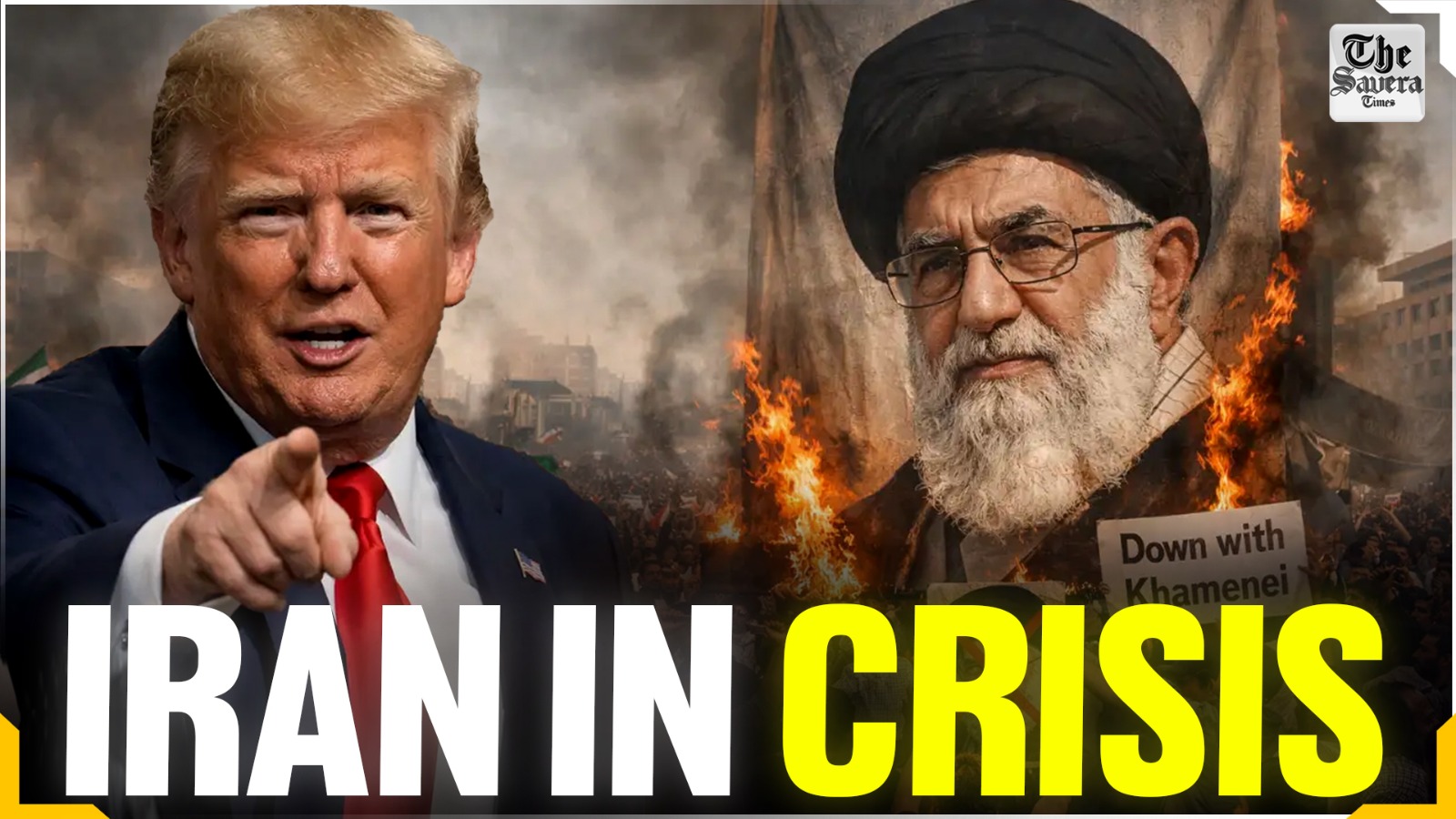
Iran is facing one of its gravest internal crises in decades. As of January 13, 2026, an Iranian official has publicly acknowledged that more than 2,000 people have been killed during two weeks of nationwide anti-government protests. The toll includes both demonstrators and members of the security forces.
This is the first time the state has admitted to casualties on this scale. Opposition groups and activists, operating largely from outside Iran, claim the real number could be far higher—some estimates run into the many thousands—but independent verification remains extremely difficult due to a near-total internet blackout imposed since January 8.
This combination of mass casualties, information blackout, and rising international pressure has pushed Iran back to the center of global attention.
What Sparked the Protests?
The unrest began as nationwide demonstrations against Supreme Leader Ayatollah Ali Khamenei, driven by long-standing economic hardship, inflation, unemployment, and political repression. Protests quickly escalated after reports that security forces used live ammunition against crowds in several cities. Funerals for those killed reportedly became fresh flashpoints, widening the movement across all provinces.
The Iranian government has labeled protesters as “rioters” and “vandals,” while state media highlights casualties among police and paramilitary forces, officially declaring mourning for its own “martyrs.”
Internet Blackout: A Digital Iron Curtain
On January 8, authorities imposed a nationwide internet shutdown, cutting millions of Iranians off from messaging apps, social media, and foreign news. This blackout has now stretched beyond five days, severely limiting communication between protest groups and obscuring the true scale of the crackdown. Human rights organizations say such shutdowns are a familiar tactic used to suppress mobilization and reduce international scrutiny during periods of unrest.
The U.S. Factor: Warnings and War Talk
As violence intensified, tensions with Washington surged. The White House issued warnings condemning the killings, and President Donald Trump stated that the U.S. would not rule out action to “protect Iranian civilians.” Iranian leaders responded sharply. President Masoud Pezeshkian warned of a “harsh response” to any intervention, while Parliament Speaker Mohammad Bagher Qalibaf threatened U.S. bases and naval assets in the region.
These exchanges have revived fears that an internal Iranian crisis could spiral into a regional or even direct U.S.–Iran confrontation.
Why U.S.–Iran Relations Are So Hostile
The hostility dates back to the 1979 Islamic Revolution, which toppled a U.S.-backed monarchy and led to the American embassy hostage crisis. Since then, disputes over Iran’s nuclear program, U.S. sanctions, and Tehran’s support for armed groups such as Hezbollah, Hamas, and the Houthis have kept relations on a permanent war footing.
The U.S. withdrawal from the 2015 nuclear deal in 2018, the killing of Iranian General Qasem Soleimani in 2020, and repeated proxy attacks on U.S. forces have only deepened mistrust.
Iran’s Military Strength: Numbers Matter
Despite internal unrest, Iran remains a major regional military power, often ranked in the global top 20 by defense analysts. It fields roughly 580,000 active personnel and around 200,000 reservists, divided between the regular army and the powerful Islamic Revolutionary Guard Corps (IRGC).
The IRGC controls the Quds Force, which oversees Iran’s network of allied militias across the Middle East—often referred to as the “axis of resistance.” Domestically, the Basij militia, a vast volunteer force, plays a key role in crowd control and protest suppression.
Missiles, Drones, and Asymmetric Power
Iran’s greatest military strength lies in its missile and drone arsenal. It possesses thousands of short- and medium-range ballistic missiles, including systems capable of reaching Israel and U.S. bases in the region. Its Shahed-type drones, relatively cheap but effective, have gained global attention due to their use in other conflicts.
At sea, Iran relies on fast attack boats, naval mines, and submarines to threaten shipping in the Strait of Hormuz, a chokepoint vital to global oil supplies. However, its air force remains outdated, largely made up of aging aircraft acquired before 1979.
The Nuclear Question
Iran maintains that its nuclear program is peaceful, but Western governments assess that Tehran is technically close to producing weapons-grade material, should it choose to do so. While Iran does not officially possess nuclear weapons, the program remains a central trigger for sanctions and military threats.
Can Iran Fight the United States?
In a direct, full-scale war, Iran would not match U.S. military power. The U.S. dominates in air superiority, naval strength, and advanced technology. However, Iran’s strategy is not about outright victory—it is about making conflict costly through missiles, proxy warfare, cyber operations, and disruption of energy markets.
That is why analysts consistently describe a U.S.–Iran war as long, destabilizing, and dangerous—and why neither side openly wants it.
Why This Moment Matters
With over 2,000 officially acknowledged deaths, an ongoing internet blackout, and sharp rhetoric from both Tehran and Washington, Iran stands at a critical crossroads. What began as domestic protests now carries regional and global implications. Whether this crisis leads to reform, repression, or a wider conflict will shape the Middle East—and global security—for years to come.
Imagine opening WhatsApp on your phone, but the SIM card linked to your account is not inside the...

Delhi’s air pollution is once again raising health concerns, with the Air Quality Index (AQI) entering the ‘poor’...

Ladakh is seeing two changes at once: a new district has been announced, and the Centre has proposed...
What if a decision taken in Washington could influence India’s oil bills, export earnings and trade relations with...

What happens when the world’s richest business leaders clash over one of the world’s biggest internet markets? A...

Pakistan is heading into its wheat-growing season with a serious water problem. The country is facing a projected...
Aries: The day will be auspicious...