Last Updated: October 18, 2026
Last Updated: October 18, 2026





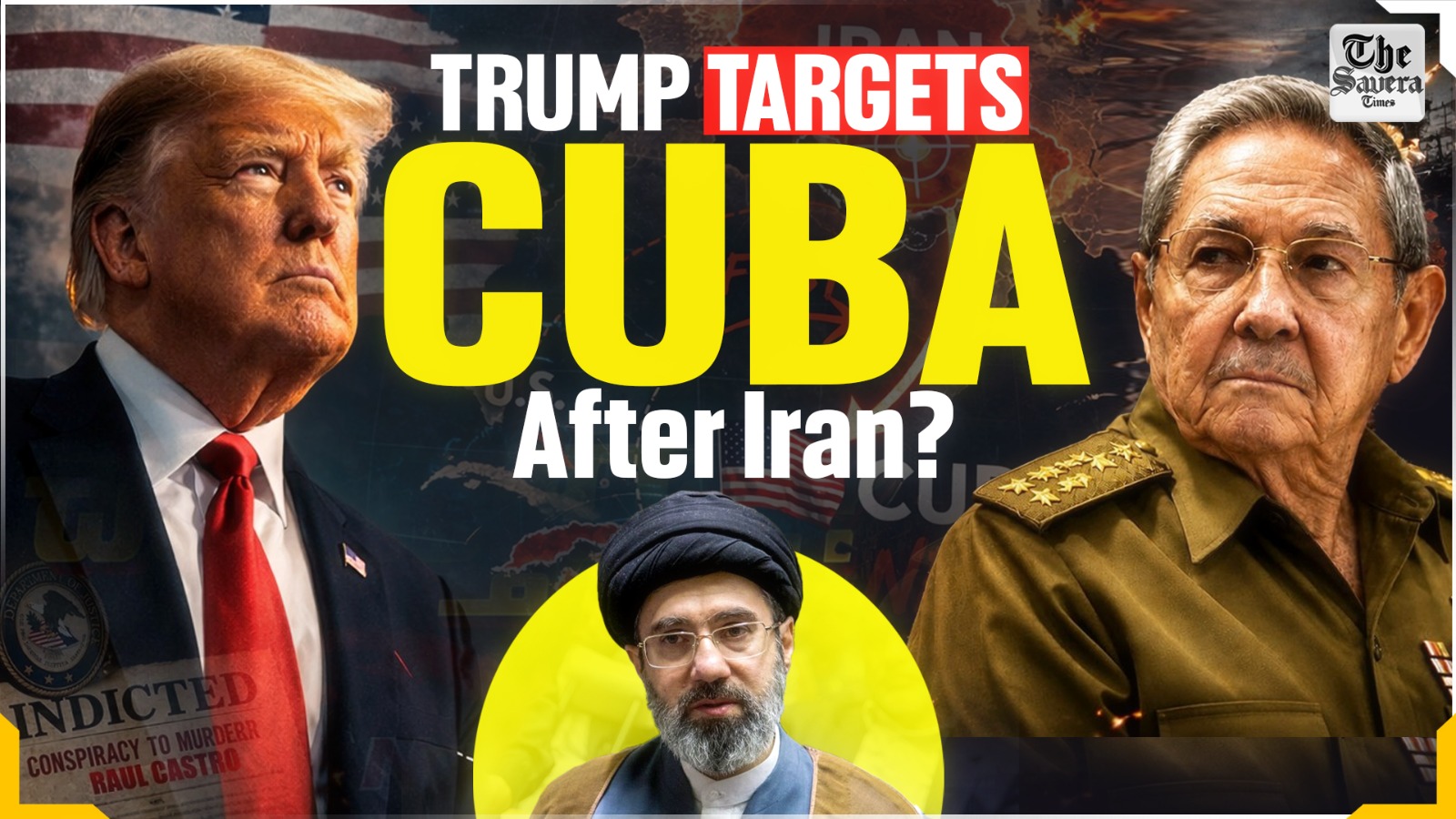
Tensions are high in the Middle East after clashes with Iran over the Strait of Hormuz. Now, sharp new pressure on Cuba is raising questions: Is the Trump administration turning its focus to the Caribbean? Could decades of rivalry explode into open conflict? Here’s a clear look at the facts.
Background on US-Iran Situation
The US and Israel engaged in direct conflict with Iran starting in late February 2026. Key issues included Iran’s nuclear program and its control over the Strait of Hormuz, a vital waterway for about 20% of the world’s oil trade.
Iran tried to block shipping. The US responded with naval operations to reopen the strait and struck Iranian targets. A fragile ceasefire is now in place as of May 2026, with talks ongoing. President Trump has paused some military moves, saying progress is being made toward a deal, but the situation remains tense with occasional incidents.
US-Cuba: Long History of Tension
The US and Cuba have had a difficult relationship since the 1959 Cuban Revolution, when Fidel Castro took power and turned Cuba into a communist state allied with the Soviet Union.
In 1961, the US backed a failed invasion at the Bay of Pigs.
In 1962, the Cuban Missile Crisis brought the world close to nuclear war.
The US has maintained an economic embargo for over 60 years, with some easing under President Obama and tightening under Trump’s first term.
Cuba has faced economic struggles, relying on allies like Venezuela for oil. It has also built ties with countries the US sees as rivals, including Russia, China, and Iran.
Recent Escalation with Cuba in 2026
After taking office again, President Trump declared a national emergency on January 29, 2026, citing Cuba as a threat to US security. Reasons include Cuba’s alliances with US adversaries and support for groups like those in Venezuela.
Key actions:
Tightened sanctions and restricted oil shipments to Cuba, worsening fuel shortages, blackouts, and economic hardship.
Following the fall of Venezuela’s Maduro earlier in 2026, Cuba lost a major oil supplier.
On May 20, 2026, the US indicted former Cuban leader Raúl Castro (now in his 90s) over the 1996 shootdown of civilian planes that killed Americans.
US naval presence increased in the Caribbean, with exercises and surveillance flights.
Trump has spoken of a possible “friendly takeover” or regime change if Cuba does not negotiate.
Cuba has condemned these moves as aggression, prepared defenses, and said it is open to talks but will resist any invasion. Reports mention Cuban fears of military action, though no invasion has been launched.
Is War with Cuba Likely?
No direct military conflict has started. The US approach focuses on “maximum pressure” through sanctions, indictments, and diplomacy to push for changes in Cuba’s government. Pentagon options exist but officials say no invasion is imminent.
Prediction markets currently put the chance of a US invasion in 2026 at around 24%. The situation echoes past pressure campaigns but carries risks of miscalculation, especially with Cuba’s outdated military and regional alliances.
Cuba’s small size, proximity to the US, and history make any escalation different from the Iran conflict. Human costs in Cuba—shortages and blackouts—are already high, raising humanitarian concerns.
What Happens Next?
Talks between the US and Cuba are reported at early stages. Outcomes depend on whether Cuba meets US demands on alliances, human rights, and governance, or if pressure leads to internal changes. The Iran ceasefire shows Trump prefers deals when possible, but he has been firm on threats near US borders.
This is a fast-moving story. The US aims to counter influence from rivals in its hemisphere without another major war, but the path remains uncertain. Stay tuned for updates on diplomacy or further sanctions.
What if a decision taken in Washington could influence India’s oil bills, export earnings and trade relations with...
What happens when the world’s richest business leaders clash over one of the world’s biggest internet markets? A...

Pakistan is heading into its wheat-growing season with a serious water problem. The country is facing a projected...
Imagine a foreign national standing among Indian citizens at a political protest, raising questions about the government or...

For thousands of Indian tech workers in the United States, a job offer is only the beginning of...

Three years ago, on October 7, 2023, Israel woke up to one of the deadliest attacks in its...