Last Updated: October 26, 2026
Last Updated: October 26, 2026





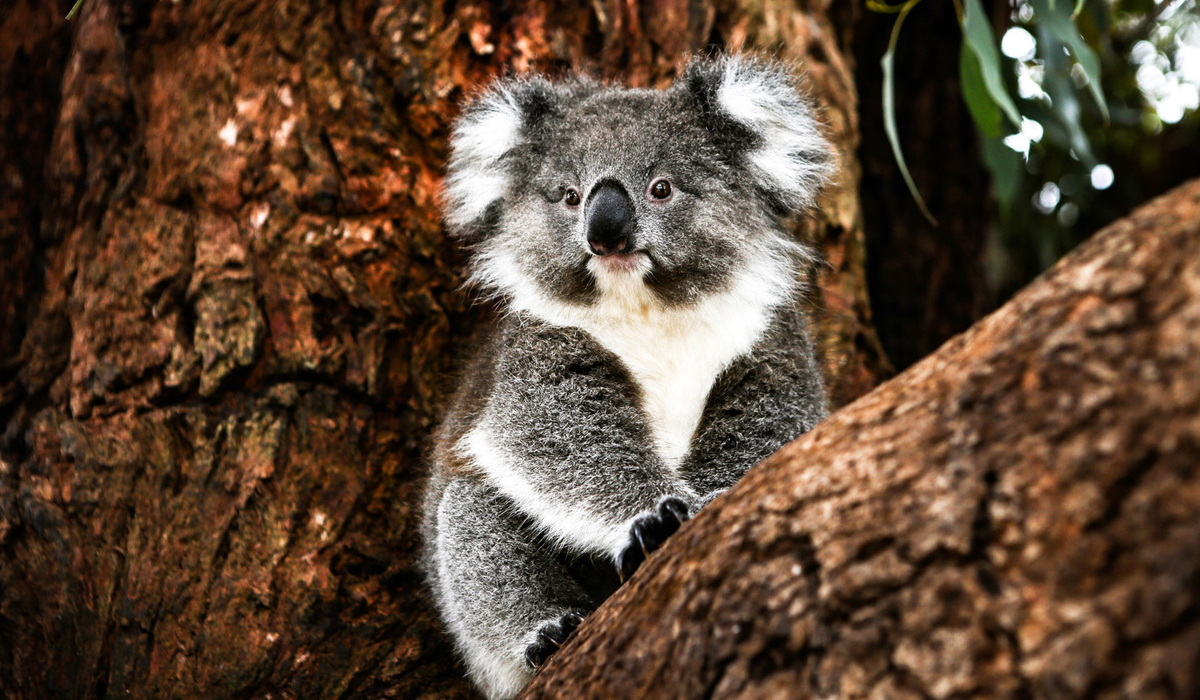
Australia has taken a landmark step in wildlife conservation by approving the world’s first vaccine to shield koalas from chlamydia, a disease that has ravaged populations of the country’s most iconic marsupial. The vaccine, developed over more than a decade by researchers at the University of the Sunshine Coast (UniSC), has been cleared by the Australian Pesticides and Veterinary Medicines Authority. Scientists describe the approval as a breakthrough that could alter the survival prospects of koalas, which are classified as endangered in several regions due to habitat loss, climate change, and disease. Chlamydia, transmitted primarily through breeding, has long been one of the deadliest threats facing wild koalas.
The bacterial infection can lead to severe urinary tract infections, infertility, blindness and even death. Infection rates in some populations have reached 70 percent, with the disease accounting for nearly half of all koala deaths in the wild. Professor Peter Timms, a microbiologist at UniSC who led the research, said the vaccine was designed as a single-dose treatment, requiring no booster. “We knew a single-dose vaccine was the answer to reducing the rapid, devastating spread of this disease,” he said, noting that widespread vaccination could significantly cut mortality rates . Field studies have shown promising results.
A UniSC-led trial found that vaccinated koalas were far less likely to develop symptoms during breeding age, and the overall mortality from chlamydia dropped by at least 65 percent among wild populations that received the vaccine. Until now, treatment options were limited. Infected koalas were given antibiotics, which often compromised their ability to digest eucalyptus leaves, their only source of food. This disruption sometimes led to starvation.
Antibiotics also failed to prevent reinfection, leaving populations vulnerable to recurring outbreaks. The new vaccine, in contrast, has been tested in wildlife hospitals, veterinary clinics and field environments, with a decade of clinical data confirming both its safety and effectiveness. The clearance paves the way for veterinarians and conservation workers to begin rolling out vaccinations across affected regions.
Koalas have long symbolised Australia’s unique biodiversity, but their numbers have been in sharp decline. Habitat destruction from land clearing and bushfires, combined with the spread of disease, has placed extraordinary pressure on wild populations. Conservationists believe the vaccine could provide a critical buffer against one of the species’ most preventable killers. While the global focus on chlamydia is often in the context of human health, the scale of the crisis in koalas has given the infection a different dimension.
Imagine opening WhatsApp on your phone, but the SIM card linked to your account is not inside the...

Delhi’s air pollution is once again raising health concerns, with the Air Quality Index (AQI) entering the ‘poor’...

Ladakh is seeing two changes at once: a new district has been announced, and the Centre has proposed...

What if a decision taken in Washington could influence India’s oil bills, export earnings and trade relations with...

What happens when the world’s richest business leaders clash over one of the world’s biggest internet markets? A...

Pakistan is heading into its wheat-growing season with a serious water problem. The country is facing a projected...

Aries: The day will be auspicious...