Last Updated: October 21, 2026
Last Updated: October 21, 2026






The world is making progress in reducing methane emissions, but current efforts are far from sufficient to meet the 2030 Global Methane Pledge, according to the 2025 Global Methane Status Report (GMSR) by the UN Environment Programme (UNEP) and the Climate and Clean Air Coalition (CCAC). Launched at COP30, the report offers the most detailed assessment yet of global methane trajectories, mitigation potential, and policy action, highlighting a critical five-year window to accelerate reductions.
Methane, a potent greenhouse gas responsible for nearly a third of current warming, reached around 352 million tonnes in 2020. Without additional action, emissions are projected to rise to 369 million tonnes by 2030, driven mainly by agriculture and waste generation. While UNEP notes that the rate of increase has slowed due to new regulations and lower global gas demand, current measures still fall short of the 30 per cent reduction target.
The report emphasizes that more than 72 per cent of the global 2030 methane reduction potential lies in the energy sector. Cost-effective solutions include leak detection and repair, flaring controls, network upgrades, and methane capture from oil, gas, and coal operations. Full deployment of these measures could cut emissions by 32 per cent compared to 2020, yielding climate, health, and crop benefits valued at over $330 billion annually by 2030.
Methane emissions from waste are expected to rise 13 per cent by 2030. Measures such as landfill gas capture, organic waste diversion, and mandatory source separation could reduce emissions while generating net savings. Agriculture remains the largest source, contributing 42 per cent of methane emissions. Although mitigation strategies—feed additives, improved livestock breeding, and rice water management—exist, adoption remains limited.
The report also highlights persistent gaps in data and monitoring, particularly in fossil fuel sectors, underscoring the need for improved reporting and verification. Financing remains a constraint; fully implementing GMP-consistent measures would require $127 billion annually by 2030, far exceeding current investment levels. UNEP calls for stronger policy frameworks, public and private finance mobilization, and support for developing countries to scale interventions.
With just five years to 2030, UNEP stresses that rapid, coordinated action is essential. Accelerating methane reductions now could deliver cleaner air, stronger economies, and a safer climate, while delays risk undermining global climate goals and the fight to keep warming within 1.5°C.
Protests in Jakarta, Yogyakarta and Bandung brought students onto the streets over rising costs, forest fires and civil...
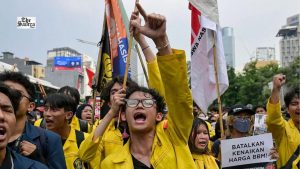
Organisations linked to Neville Roy Singham are under US congressional scrutiny over funding. Their coverage of protests in...

US President Donald Trump says Washington and New Delhi are close to a trade agreement that will differ...

Iran has ruled out transferring its enriched uranium stockpile outside the country, with security official Mohsen Rezaei reiterating...

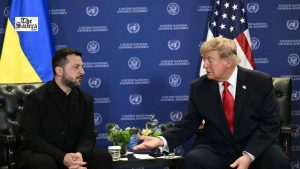
Donald Trump has urged Volodymyr Zelensky to pursue a peace deal with Russia, warning that Ukraine could face...
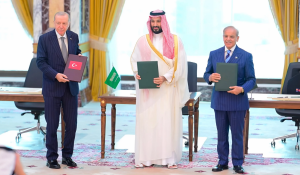
Pakistan, battling insurgencies at home and tensions along multiple borders, is too overstretched to offer meaningful military support...
Aries: The day will be auspicious...