Last Updated: October 16, 2026
Last Updated: October 16, 2026





~Abhishek Vij
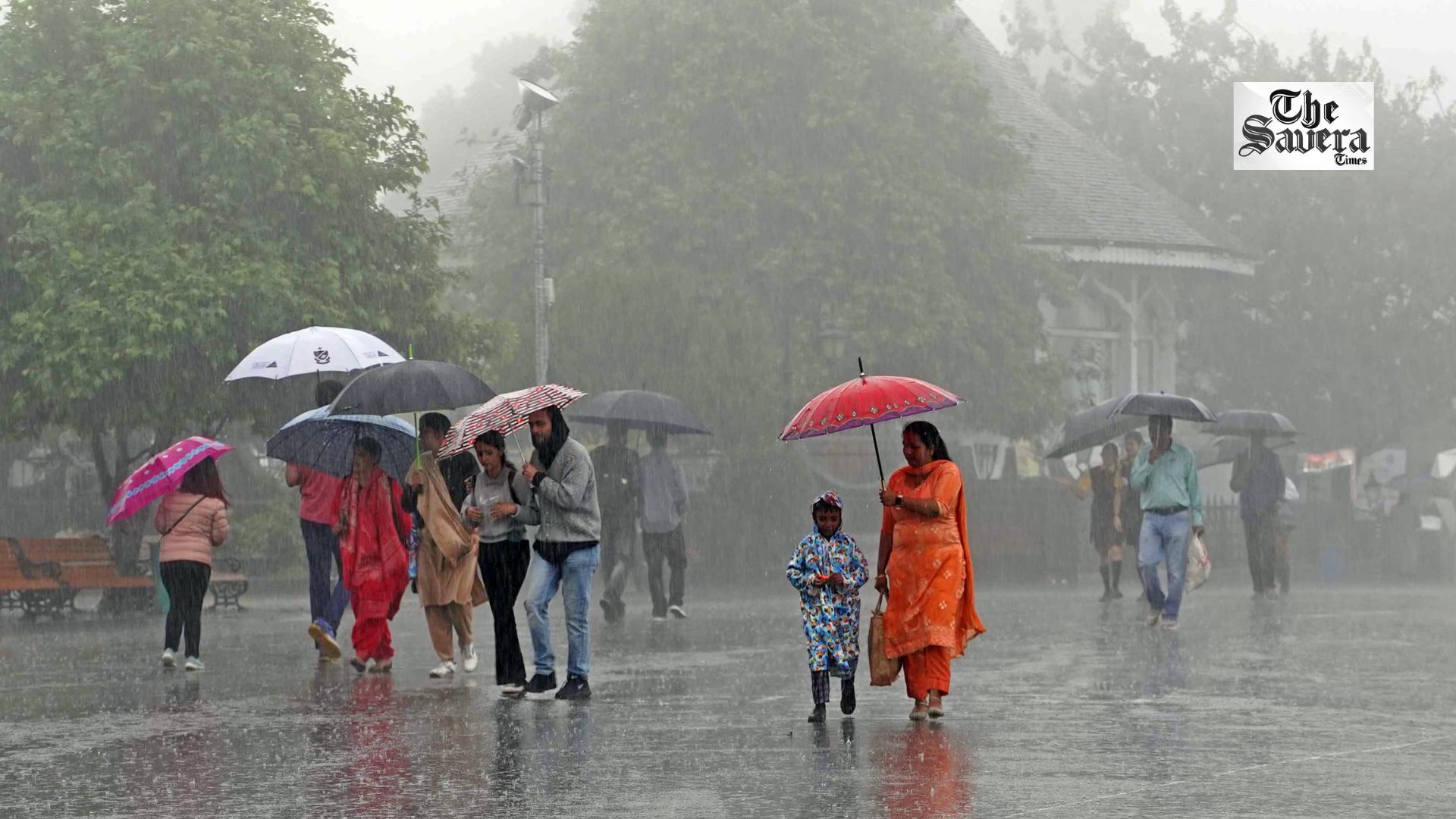
Following the south, the monsoon has arrived in eastern India. Floods are wreaking havoc in Assam. However, as soon as the monsoon entered Jammu and Kashmir, Himachal Pradesh, and Uttarakhand, reports of floods began to emerge. While the monsoon is expected to arrive in Punjab by July 3rd or 4th, continuous rainfall in Pathankot has left the entire region inundated.
A cloudburst in Doda, Jammu and Kashmir, has left locals facing uncontrollable flooding. The administration’s claims appear baseless in a situation where the ferocity of floods can sweep away everything. A cloudburst in Lahaul-Spiti, Himachal Pradesh, has also been hit by floods. Uttarakhand is also experiencing torrential monsoon rains. Sikkim in northeastern India is also experiencing heavy rainfall. Last year, Kullu and Mandi in Himachal Pradesh experienced repeated cloudbursts, severely impacting the urban population of Mandi and Kullu. Currently, the peak of religious tourism is underway, with millions preparing to embark on the pilgrimage to Baba Amarnath.
A record-breaking influx of pilgrims is arriving at the Mata Vaishno Devi Shrine. The first base camp for Amarnath pilgrims has been established in Jammu. In addition to hotels and homestays, the management has also established a tent camp there. The rule is to show complete documents before proceeding further. Now, the concern is that if heavy rains begin during the pilgrimage, administrators will have to ensure that the safety of pilgrims is not compromised. Convenient shelters should be built for them. However, Punjab is still yearning for rain. Statistics show that Punjab received a 23 percent deficit in June, resulting in lower paddy sowing. Further predictions suggest that a weak El Niño may lead to lower rainfall than normal. The situation here is such that even if the rainfall is less, when it does arrive, it leaves areas flooded.
The administration is also to blame for its lack of advance management. Every monsoon disrupts life, yet neither are rivers and streams cleaned in time, nor is silt removed, nor is the sewerage system streamlined. Despite the same situation every year, no lessons are learned. The municipal administrators in Punjab have claimed that they have made proper management of sewerage, but what is the reason that even a little rain causes the roads of Jalandhar, Ludhiana and other big cities to get submerged. The new development is that even cities like Chandigarh and Mohali are experiencing waterlogging. The reasons are numerous. Lack of sanitation is the biggest cause. Garbage disposal, which is not properly disposed of, causes clogging of the sewerage system.
Despite claims, waste disposal remains sluggish. The eagerly awaited monsoon has reached the mountains and will reach the plains of Punjab and Haryana within the next two to three days. People are eager to welcome the rains, but when these same rains flood cities and disrupt normal life, the joy of the rains turns into a nightmare. Only when local administrations can properly manage rainwater, can the common person consider monsoon rains a symbol of relief.
Varanasi: A massive explosion triggered the collapse of a two-storey building in Uttar Pradesh’s Varanasi on Thursday, leaving...

Sofia: A vessel sailing under the flag of San Marino caught fire in the Black Sea near Romania...

New Delhi: Accusing the Congress of double-speak on women dignity, the Bharatiya Janata Party (BJP) Mahila Morcha on...

New Delhi: NITI Aayog’s Frontier Tech Hub released a Data Centre Evaluation Framework to help states plan for...
New Delhi: The Supreme Court on Thursday referred the cheque dishonour cases against actor and comedian Rajpal Yadav...

Mirzapur: Uttar Pradesh Chief Minister Yogi Adityanath on Thursday accused the Samajwadi Party (SP) and the Congress of...
Aries: The day will be auspicious...