Last Updated: October 4, 2026
Last Updated: October 4, 2026





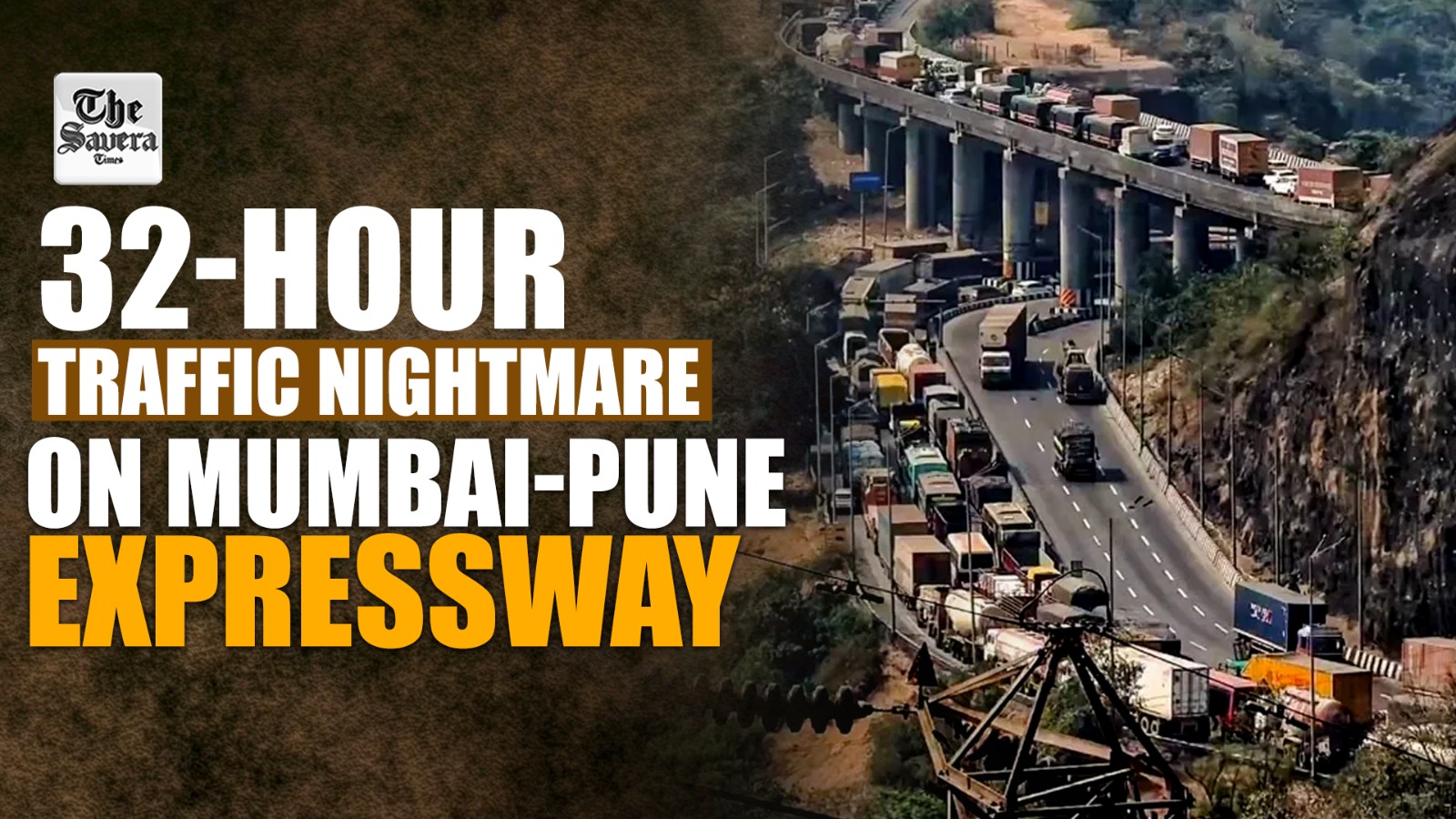
The Mumbai–Pune Expressway, one of India’s busiest highways, turned into a desperate nightmare for thousands of travellers when a tanker carrying highly flammable propylene gas overturned on a steep ghat section, leading to a 32-hour shutdown.
Vehicles piled up for kilometres. Commuters went without food, water or toilets. The crisis exposed gaps in emergency response on a vital corridor connecting two major cities.
What Happened?
On Tuesday evening around 5 pm, near the Adoshi tunnel in the Khandala ghat section of the expressway in Raigad district, a Bharat Petroleum tanker carrying propylene gas lost control on the slope and overturned.
Propylene is a highly flammable industrial gas used in plastics and chemicals. Because of its explosive potential, officials could not take any risk when the tanker began to leak gas after overturning.
Traffic Halt And Gridlock
With the leak posing a danger of fire or blast, traffic on the Mumbai-bound carriageway was immediately stopped as a safety measure. Vehicles were diverted where possible and limited movement was allowed only intermittently.
But the leak could not be controlled quickly. Even the Pune-bound side slowed and came to a near standstill as the expressway’s narrow ghat stretch offers no high-capacity alternate route. The result was a massive traffic pileup, stretching up to 20 – 25 km in many places.
The Human Ordeal
Once the gridlock set in, the scale of the disruption became painfully clear:
Social media posts from stranded motorists described long hours with zero information or guidance from authorities, adding to frustration and fear.
Some commuters even chose alternative means — a few high-profile travellers reportedly chartered helicopters to escape the snarl — while many others simply waited in the scorching sun or cold nights amid mounting anxiety.
Emergency Response Efforts
Handling a gas leak shutdown of this magnitude involved multiple agencies working through the night:
Restoring Movement
Finally, in the early hours of Thursday — nearly 32 hours after the accident — authorities reopened the expressway around 1:45 am after clearing the site and securing the road.
Traffic began moving again, though it took many more hours to clear the long backlog of slow-moving vehicles. Officials had also temporarily suspended toll collection to help ease the disruption.
Why This Mattered
This incident laid bare how fragile traffic and emergency management systems can be on crucial intercity routes:
Experts say it exposed gaps in disaster preparedness and response capacity along the highway.
Plans are already pushing for infrastructure improvements on this key artery. A 13-km “missing link” project near Lonavala is nearing completion and expected to open soon.
It is intended to provide an alternate high-capacity route in the ghat section — potentially reducing the impact of future shutdowns. Until then, such incidents remain a reminder of how vulnerable even a modern expressway can be to major disruptions.
Imagine being seriously injured inside a flying aircraft, with blood on your clothes, passengers in panic and the...
Imagine the world’s biggest diesel exporter turning off its export taps. That is the concern after US President...

For India’s pharmaceutical industry, the latest US tariff decision brings relief — but not across the entire medicines...
One handshake, two superpowers and a long list of disagreements. US President Donald Trump and Chinese President Xi...

A river does not understand borders. But when two countries sharing that river are locked in a long-running...

A voter list revision — and now a software controversy A voter may have the right to vote,...

Aries: The day will be auspicious...