Last Updated: October 19, 2026
Last Updated: October 19, 2026





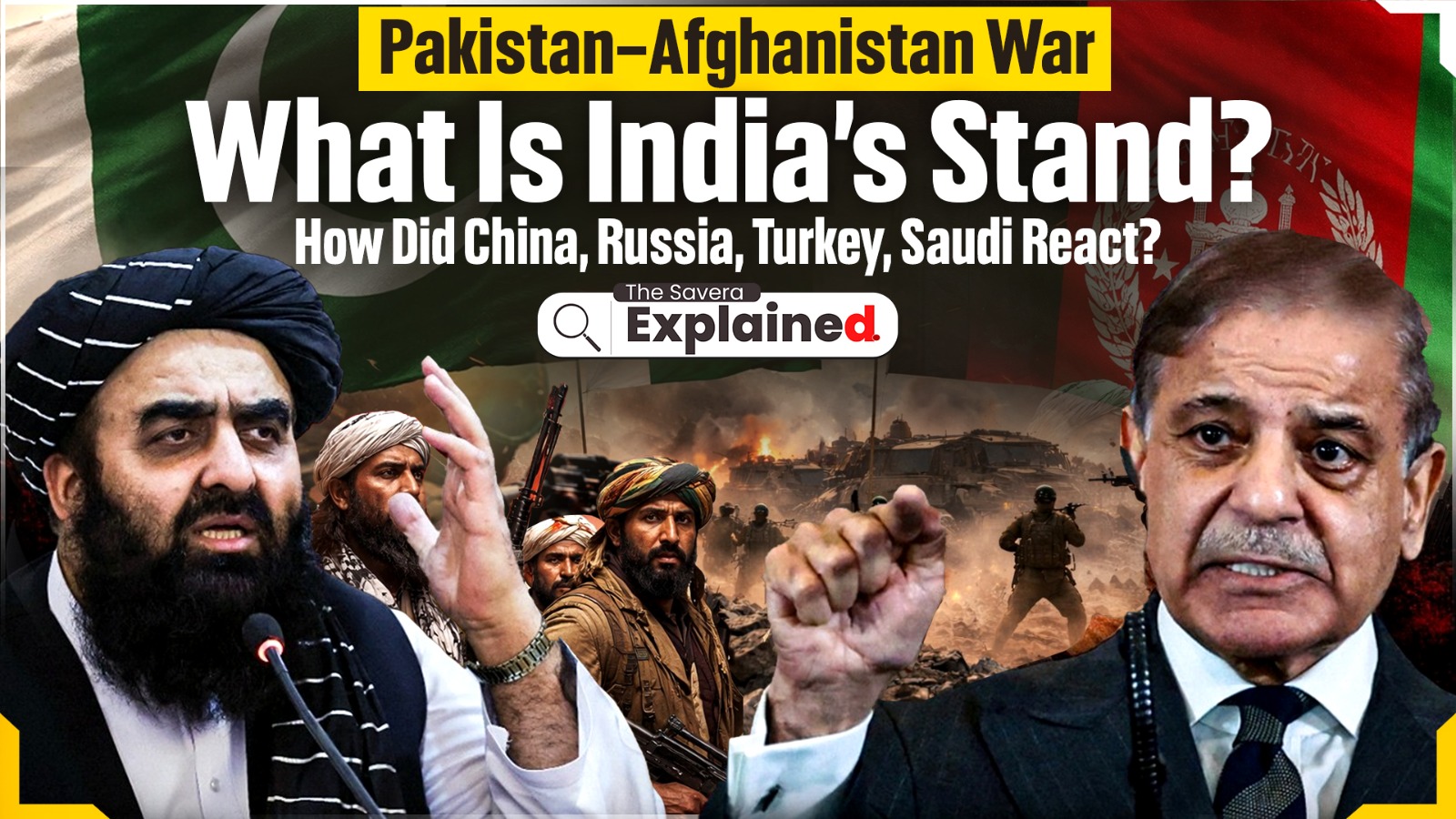
Tensions between Pakistan and Afghanistan have sharply escalated after Islamabad claimed it launched retaliatory strikes following alleged cross-border attacks from Afghan territory.
Pakistan’s defence minister has described the situation as an “open war,” marking one of the most serious flare-ups between the two neighbours in recent years. The fighting along the Durand Line has drawn regional and global attention, with major powers urging restraint and diplomacy.
What Triggered the Latest Escalation?
Pakistan says it carried out “Operation Ghazab lil Haq” after alleged cross-border attacks by the Afghan Taliban, claiming that 133 Taliban fighters were killed.
The violence occurred along the Durand Line, the 2,611-km border that Afghanistan has never formally recognised. Islamabad argues that militant groups, particularly the Tehreek-e-Taliban Pakistan (TTP), operate from Afghan territory and target Pakistan. Kabul has historically rejected Pakistan’s claims and disputes the legitimacy of the Durand Line.
What Is India’s Stand?
India has not issued a fresh statement on the very latest exchange of strikes, but New Delhi has clearly outlined its position following Pakistan’s recent airstrikes inside Afghanistan. India condemned Pakistan’s attacks, saying they caused civilian casualties, including women and children, during Ramadan.
The Ministry of External Affairs said Pakistan’s actions were an attempt to “externalise its internal failures” and reaffirmed India’s support for Afghanistan’s sovereignty, territorial integrity, and independence.
India has also criticised Pakistan’s long-standing policy of cross-border terrorism and said Islamabad cannot act with impunity. New Delhi’s position is consistent: it backs Afghanistan’s sovereignty and opposes military actions that harm civilians or violate territorial integrity.
Turkey and Saudi Arabia: Backing Stability, Hearing Pakistan’s Case
Turkey and Saudi Arabia engaged diplomatically with Pakistan following the escalation. Pakistan’s Foreign Minister Ishaq Dar told Turkish Foreign Minister Hakan Fidan that Islamabad had responded to what it called “unprovoked Afghan aggression.” Both sides stressed the need for peace and regional stability.
Dar also spoke with Saudi Foreign Minister Faisal bin Farhan, with both leaders underlining the importance of stability and continued engagement. Notably, Pakistan and Saudi Arabia have a defence cooperation agreement, adding strategic weight to Riyadh’s interest in de-escalation.
China and Russia: Push for Restraint and Dialogue
China and Russia have called for calm and diplomacy. China, which maintains close ties with both Pakistan and Afghanistan through a tripartite mechanism, urged both sides to show restraint, stop hostilities, and resolve disputes through dialogue and consultation.
Russia expressed concern over the “sharp escalation” involving regular forces, air power, and heavy weapons, warning of civilian casualties. Moscow called on both “friendly countries” to end the confrontation and return to political and diplomatic channels. Russia’s special envoy for Afghanistan also appealed for an immediate halt to mutual attacks.
Iran: Call for Dialogue During Ramadan
Iran urged both neighbours to resolve differences through dialogue and good neighbourly relations. Tehran offered to facilitate talks and highlighted Ramadan as an opportunity to ease tensions and promote unity in the Islamic world.
Why This Matters Regionally
The Pakistan–Afghanistan border has long been volatile due to militant activity, disputed borders, and mistrust. Any prolonged conflict risks destabilising the wider region, affecting trade routes, refugee flows, and security across South and Central Asia.
With major powers pushing for diplomacy, the immediate challenge is preventing further military escalation and civilian harm while addressing Pakistan’s security concerns and Afghanistan’s sovereignty claims through talks, not strikes.
Ladakh is seeing two changes at once: a new district has been announced, and the Centre has proposed...

What if a decision taken in Washington could influence India’s oil bills, export earnings and trade relations with...

What happens when the world’s richest business leaders clash over one of the world’s biggest internet markets? A...

Pakistan is heading into its wheat-growing season with a serious water problem. The country is facing a projected...
Imagine a foreign national standing among Indian citizens at a political protest, raising questions about the government or...

For thousands of Indian tech workers in the United States, a job offer is only the beginning of...

Aries: The day will be auspicious...