The Delhi Legislative Assembly has passed a resolution warning former Chief Minister Arvind Kejriwal and former Deputy Chief Minister Manish Sisodia in connection with the ongoing ‘Phansi Ghar’ controversy. The move comes after the House found their actions and statements related to the issue to be in breach of legislative privilege.
The resolution was adopted under Rule 77 and is based on findings submitted by the Assembly’s Committee of Privileges, which had been examining the matter for several months.
Allegations of “manufactured narrative”
According to the Assembly, the controversy stems from claims made during the previous AAP government that a section within the Assembly premises was a historic British-era execution chamber or “Phansi Ghar.”
However, the current Assembly leadership rejected this claim, calling it a “manufactured and baseless narrative.” The House held that presenting such claims misrepresented the historical significance of the Assembly building.
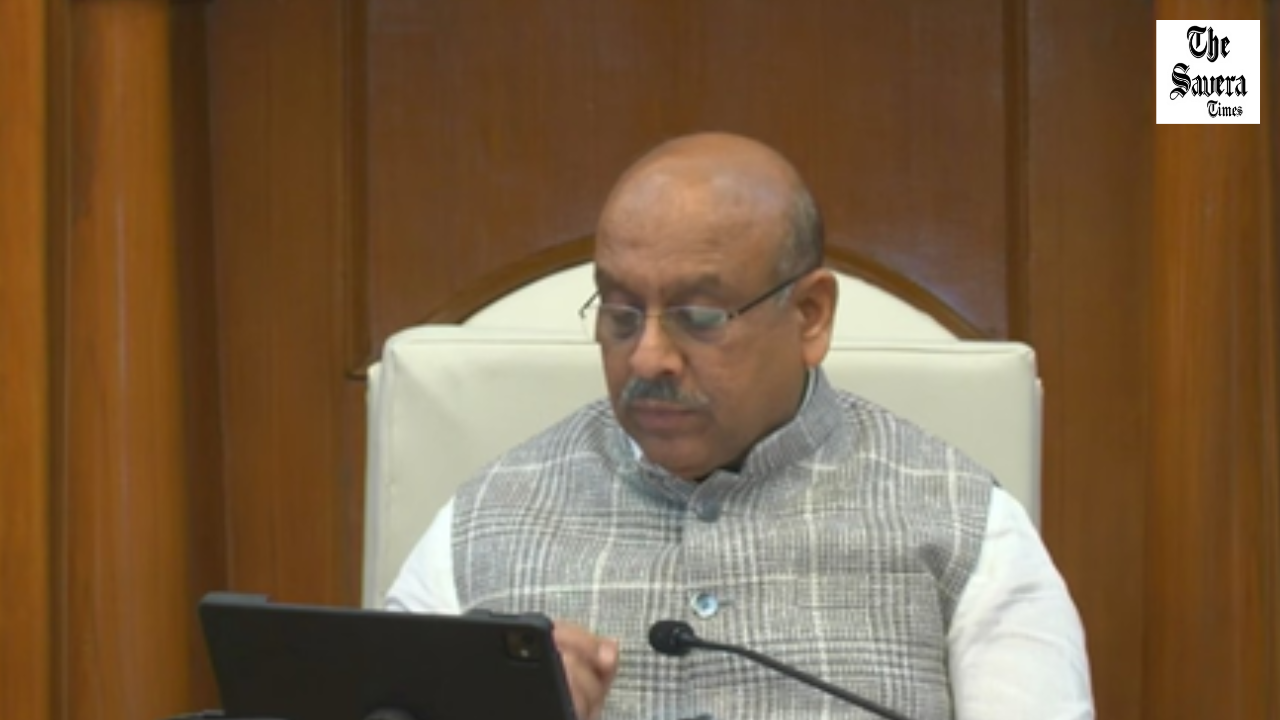
Speaker Vijender Gupta emphasised that associating the Assembly with an execution chamber undermines its legacy and distorts history.
Warning issued instead of strict punishment
The Assembly noted that it has the authority to impose strict penalties, including imprisonment, in cases of contempt of the House. However, it chose to exercise restraint by issuing a formal warning to Kejriwal, Sisodia, and other former office-bearers.
The warning also extends to former Speaker Ram Niwas Goel and former Deputy Speaker Rakhi Birla, who were part of the earlier administration during which the controversy originated.
The House stressed that despite proven contempt, it opted for a measured response to maintain institutional dignity while allowing due process.
Role of Privileges Committee
The Committee of Privileges played a key role in investigating the issue. It examined documents, summoned leaders, and reviewed statements regarding the existence and authenticity of the so-called “Phansi Ghar.”
Earlier, the committee had also taken note of instances where summoned leaders either delayed or failed to appear, which was seen as disregard for legislative procedures.
Its report ultimately concluded that the claims lacked factual basis and recommended action by the House.
Political backdrop of the controversy
The ‘Phansi Ghar’ row has been a major flashpoint between the Aam Aadmi Party (AAP) and the Bharatiya Janata Party (BJP). The issue dates back to 2022, when the AAP government inaugurated a renovated section of the Assembly, describing it as a historic gallows chamber.
The BJP, however, alleged that the structure was merely a “tiffin room” and accused the previous government of misleading the public and misusing funds.
The dispute has since evolved into a broader political and legal confrontation, drawing attention to questions of historical accuracy and governance.
Emphasis on preserving institutional dignity
In its final remarks, the Assembly reiterated that the legislature is not just a physical structure but a symbol of India’s democratic and freedom struggle legacy.
The Speaker highlighted historical references linked to the Assembly, noting that it holds deep national significance. The House asserted that any attempt to spread misinformation about such an institution would be dealt with seriously.
What lies ahead
While the resolution marks a significant step in the controversy, the issue is far from over. Further reports from the Privileges Committee are expected, which may address additional aspects of the case.
The development is likely to keep the political debate alive, with both sides continuing to defend their positions in the coming days.