Last Updated: November 2, 2026
Last Updated: November 2, 2026





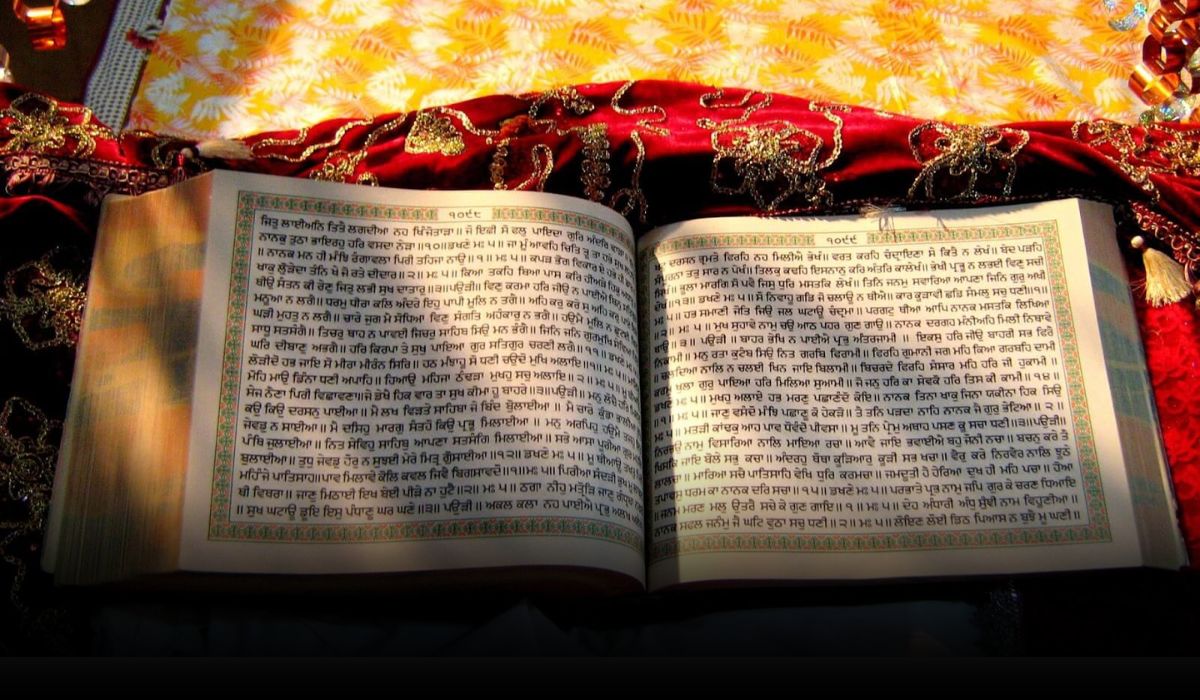
Written by Iqbal Singh Lalpura: In today’s world of scientific progress and material achievement, prayer is often relegated to the private sphere, dismissed as ritualistic or unscientific. Yet, modern research is steadily bringing prayer back into the conversation, not as blind faith but as a transformative force with measurable impact.
At Duke University Medical Center, clinical studies on patients with chronic heart disease and depression revealed that those who engaged in regular prayer or meditation showed significantly lower stress, better emotional balance, and improved survival rates. Prayer was not simply psychological comfort; it had tangible biological outcomes.
Similarly, neuroscientists at the University of Pennsylvania conducted brain imaging scans on people during deep prayer and meditation. They found heightened activity in areas of the brain linked with compassion, focus, and emotional regulation, while activity in the regions associated with fear and stress declined. Prayer, in other words, reshapes the human brain toward peace. Neurobiologist Dr. Arlene R. Taylor has demonstrated that prayer helps reduce the secretion of cortisol — the stress hormone — and enhances the immune system functioning.
Regular prayer improves resilience, emotional health, and clarity of purpose. They have also proved scientifically that if someone pray for a patient from a distance, there are positive signs in the brain of the patient. Science now admits what spiritual traditions have always maintained: prayer is not escape from reality, it is empowerment to live within it. In Sikh philosophy, prayer (Ardaas) is not mere petitioning for worldly gains. It is communion with the Divine, a way of aligning the human will with Hukam ,the Divine Order.
Guru Nanak Dev Ji emphasized that true prayer does not lie in ritual repetition or formalism, but in living remembrance of the One Creator. The Sikh Ardaas begins with the invocation of Ek Onkaar, affirming that prayer is directed to the One Universal Creator, beyond sects and boundaries. It then recalls the sacrifices of the Gurus, martyrs, and saints, and finally seeks collective welfare, “Nanak Naam chardi kala, tere bhaane sarbat da bhala.”
Nanak, through the Naam of the Almighty,comes uplifted spirit,through Your will, may there be good for all. This line alone reflects a universal, compassionate worldview: Sikh prayer is never for self alone, but for the entire humanity. Sri Guru Granth Sahib is replete with verses that highlight both the assurance and the transformative effect of prayer. One of the most powerful shabads is by Guru Arjan Dev Ji,”birathi kade na hovai jan ki ardas “ The prayer of the humble servant of the Lord is never in vain.
The Perfect Guru has perfectly fulfilled my life, each and every breath and morsel. ||1|| (Ang 819, Sri Guru Granth Sahib Ji) Here, Guru Arjan Dev Ji declares that true prayer always bears fruit ,not necessarily in material gains, but in spiritual fulfillment, peace, and nearness to God. In another shabad, Guru Ji reveals the healing power of prayer:”bilaval mahala 5” rogu mitaia ap prabh, upjia sukh sant. God Himself eradicated the disease; peace and tranquility have welled up. vad partap acraj rup, har kini dat. ||1|| The Lord has blessed me with glorious gifts and wondrous radiance.
||1|| (Ang 815, Sri Guru Granth Sahib Ji)Centuries before medical science spoke of psychosomatic healing, Guru Arjan Dev Ji articulated that prayer itself can dissolve illness by filling the mind with hope, positivity, and Divine strength. Guru Nanak Dev Ji challenged ritualistic prayer, emphasizing that words alone without inner transformation are hollow.
He taught that true prayer is lived through conduct: “mann jeetai jag jeet.” By conquering the mind, one conquers the world. (Ang 6) Prayer is thus not escape into another world but discipline for this world. It molds character, strengthens courage, and inspires compassion. Guru Nanak’s concept of Ardaas is revolutionary; it is not a transaction with God but a transformation of the self. It is gratitude for blessings, remembrance of sacrifices, and a pledge to live righteously.
A Sikh is supposed to pray regularly every day, even before leaving home and again after arriving back. Throughout Sikh history, prayer has been the fountain of courage and sacrifice. Guru Arjan Dev Ji, while enduring martyrdom on the burning hot plate in 1606, did not pray for deliverance from pain. Instead, he uttered, “Tera kiya meetha lage” Sweet is Your Will, O Lord. His prayer was acceptance o f Hukam , becoming the source of infinite courage for generations. Guru Gobind Singh Ji, before creating the Khalsa in 1699, led the congregation in collective Ardaas.
It was not merely a ritual but the empowerment of an entire community to rise as saint-soldiers ,fearless yet humble, devoted to God yet committed to justice. During the darkest days of the Partition of 1947, Sikh refugees uprooted from their homes carried with them little more than faith and Ardaas. At refugee camps, collective prayer became the strength to rebuild lives from ashes. Even today, every Sikh function ,from birth to death, from starting a new school to beginning an important deliberation session ,begins with Ardaas.
It is the heartbeat of Sikh identity. When modern scientists say that prayer lowers stress, improves immunity, and rewires the brain for empathy, they are confirming what Sikh Gurus proclaimed five centuries ago. But Sikhism goes further; it connects prayer not only with individual healing but also with collective responsibility. While neuroscience shows that prayer changes brain patterns, Gurbani insists that true prayer must change behavior ,making us truthful, compassionate, and selfless.
The Sikh daily Ardaas ends with “Sarbat da bhala,” good of all. This universal concern is the highest form of prayer, transcending the self and embracing humanity. Prayer in Sikh thought is not a private escape but a public commitment. The Sikh tradition of Langar (community kitchen) itself is a living extension of Ardaas. After prayer, Sikhs feed the hungry without discrimination. Thus, prayer translates into action. The Sikh martyrs, from Banda Singh Bahadur to the warriors of the Misls, drew strength from collective Ardaas before battle. Guru Gobind Singh said, “Bhaee Jeet meri kirpa Akal teri.“
I have won with your blessing, O lord . They prayed not for personal safety but for the victory of righteousness. This dimension of prayer ,courage in action, compassion in service ,is what makes Sikh spirituality profoundly practical. Guru Nanak envisioned a humanity where prayer is not confined to words but embodied in life. Every breath should become remembrance of God, every action an offering. In the modern world, when stress, conflict, and despair are widespread, prayer offers a way back to balance. Scientific evidence validates its benefits, Sikh philosophy elevates its purpose.
As Guru Arjan Dev Ji reminds us,”Without the Name, all other prayers and petitions are worthless. (Ang 387) Prayer is not about demanding favors, but about dissolving ego and merging with the Divine Will. Science and spirituality are converging on a timeless truth: prayer transforms. It heals the body, steadies the mind, and uplifts the soul. In Sikh philosophy, prayer is not ritual but relationship with the Divine, with humanity, and with one’s own higher self.Guru Nanak Dev Ji gave the world a vision of prayer that was universal, selfless, and practical.
The daily Sikh Ardaas reminds us that we must not only seek blessings but also shoulder responsibility , to serve, to protect, and to love all. Thus, prayer is not the end of effort; it is the beginning of courage. It is not retreat from life,it is renewal of life. And when lived fully, as Guru Nanak taught, each Sikh, each human being, can become a living Ardaas ,a prayer while walking on earth . Let’s use the prayer for the welfare of humanity with the blessing of the Almighty.

Iqbal Singh Lalpura
(Former Chairman, National Commission for Minorities, Government of India)
Bhagwant Mann accused the Congress, Shiromani Akali Dal and BJP of working together against Punjab’s development, claiming their...

Congress Punjab in-charge Sachin Pilot accused the AAP government of pushing Punjab towards drug addiction and lawlessness, as...

AAP's Chandigarh unit accused the BJP of making fresh promises ahead of Municipal Corporation elections without resolving long-pending...

Patna: One person was killed and several injured in an underground gas pipeline explosion due to drain construction...

Families affected by the 1984 anti-Sikh violence and Delhi BJP Minority Morcha workers marched from Gurudwara Bangla Sahib...

Amit Shah accused Congress of protecting Bangladeshi infiltrators while opposing SIR and attacked Rahul Gandhi over EVMs and...

Aries: The day will be auspicious...