Last Updated: October 26, 2026
Last Updated: October 26, 2026





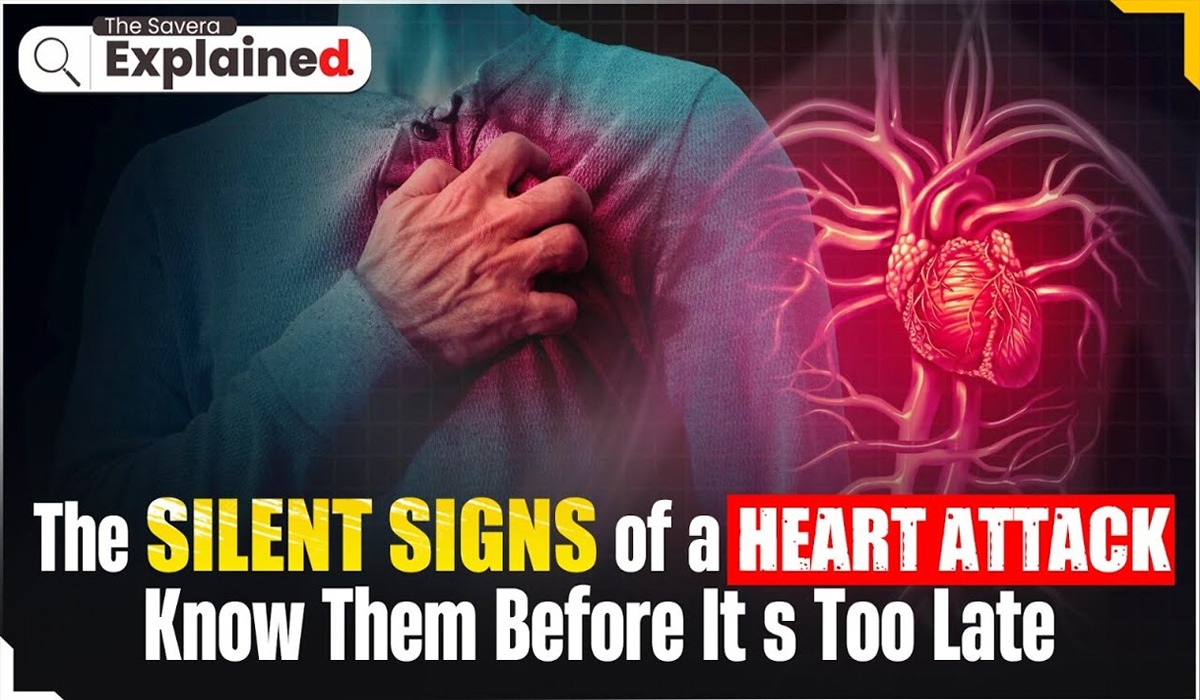
Heart attacks are often imagined as sudden, dramatic events—a person clutching their chest and collapsing. But in reality, most heart attacks don’t strike without warning. They often announce themselves subtly, sometimes weeks in advance, through vague and easily ignored symptoms. As India faces an alarming rise in heart disease, understanding these signs can make all the difference.
A heart attack, or myocardial infarction, occurs when blood flow to a part of the heart muscle is blocked, usually by a clot in the coronary artery. Without oxygen-rich blood, that part of the heart muscle starts to die. While it may feel sudden, the blockage often develops over time due to buildup of fatty deposits (plaque) in the arteries—a condition known as coronary artery disease.
Early Symptoms: The Heart’s Subtle Alarms
According to Dr. Rahul Gupta, Director of Cardiology at Gleneagles Hospital, Mumbai, nearly 50% of heart attack patients experience early warning signs, often days or weeks before the event. These prodromal symptoms include:
These symptoms are often mistaken for muscle strain, acidity, or just stress, especially among younger individuals.
The Indian Context: A Nation at Risk
India bears over 50% of the global heart disease burden. According to the Indian Heart Association:
Common Risk Factors—And Why Even the Fit Aren’t Safe
The well-known culprits include:
However, doctors increasingly find severe heart disease in young people with no classic risk factors. Stress, sleep deprivation, and undiagnosed conditions play a major role.
Exertion-Linked Symptoms: A Red Flag
One major clue is that symptoms often appear during physical exertion—jogging, walking, or climbing stairs. Dr. Ajit Menon from Sir HN Reliance Foundation Hospital explains that people may feel:
Women, in particular, may have non-classic symptoms such as:
Diagnostic Tools: What Happens at the Hospital
When symptoms persist:
Real-Life Cases: Lessons from the Unexpected
Dr. Gupta shared the story of a 42-year-old marketing executive who dismissed his arm discomfort and breathlessness as gym fatigue. A month later, he had a major heart attack at work. Tests revealed significant coronary blockages that had built up silently.
Another case involved a 35-year-old woman with no risk factors who suffered upper back pain and fatigue for months. It turned out to be 90% arterial blockage—a near miss.
Five Steps to Stay Ahead of Heart Disease (in Points)
Stay alert to early warning signs like fatigue or breathlessness.
Imagine opening WhatsApp on your phone, but the SIM card linked to your account is not inside the...

Delhi’s air pollution is once again raising health concerns, with the Air Quality Index (AQI) entering the ‘poor’...

Ladakh is seeing two changes at once: a new district has been announced, and the Centre has proposed...

What if a decision taken in Washington could influence India’s oil bills, export earnings and trade relations with...

What happens when the world’s richest business leaders clash over one of the world’s biggest internet markets? A...

Pakistan is heading into its wheat-growing season with a serious water problem. The country is facing a projected...

Aries: The day will be auspicious...