Last Updated: October 21, 2026
Last Updated: October 21, 2026





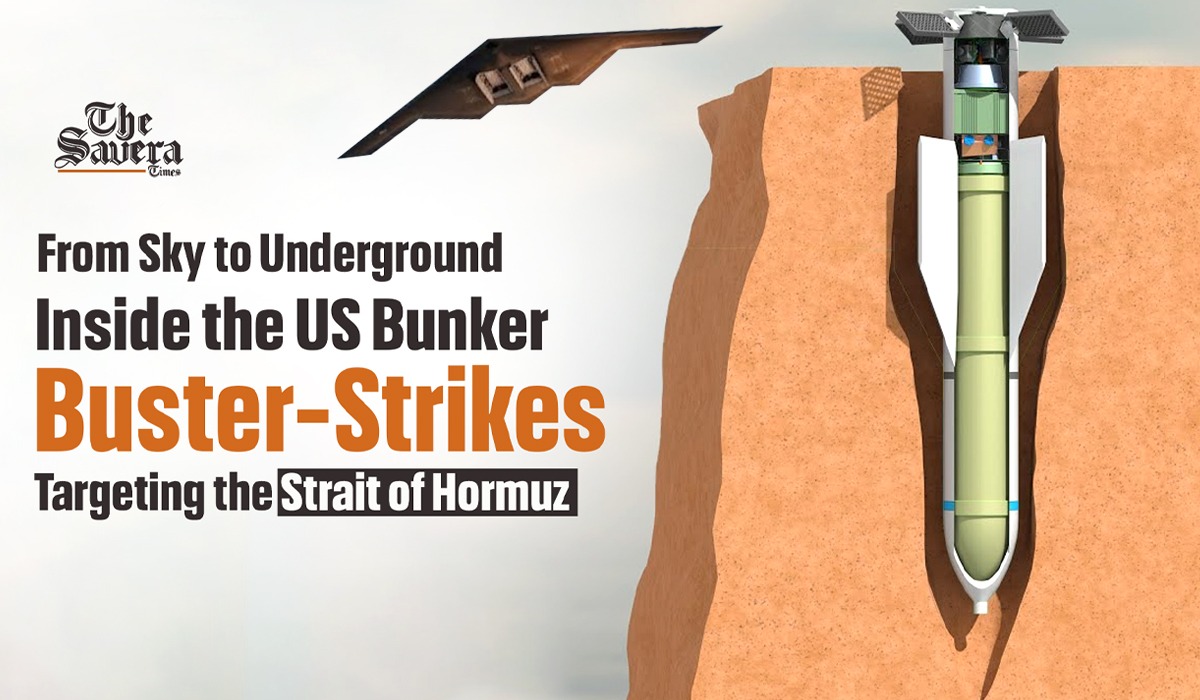
Tensions in the Middle East have sharply escalated as the United States carried out major airstrikes near the Strait of Hormuz.
Using powerful 5,000-pound bunker-buster bombs, US forces targeted underground Iranian missile sites that were threatening global shipping.
But how deadly are these bombs, and why are they so important in modern warfare? Let’s break it down.
What are bunker-buster bombs?
Bunker-buster bombs are specially designed weapons made to destroy targets hidden deep underground. Unlike normal bombs that explode on impact, these bombs first drill into the ground and then explode.
Think of them like a hammer with a sharp tip. Their hard steel casing allows them to break through layers of soil, rock, or concrete before detonating. This makes them highly effective against:
Interestingly, they don’t always carry more explosive material than regular bombs—their strength lies in how deep they can go before exploding.
How deadly is the GBU-72?
The bomb used in these recent strikes is the GBU-72 Advanced 5K Penetrator. It weighs around 5,000 pounds (over 2,200 kg) and is one of the most advanced bunker-busters in the US arsenal.
Here’s why it is considered highly deadly:
In simple terms, if a facility is buried deep for protection, this bomb is designed specifically to destroy it.
Why were these bombs used near the Strait of Hormuz?
The Strait of Hormuz is one of the most important shipping routes in the world. Nearly 27% of global oil trade passes through it.
Iran had reportedly placed anti-ship missiles in underground coastal sites, along with mines and drones, effectively blocking the route. This caused oil prices to surge and disrupted global trade.
By using bunker-buster bombs, the US aimed to:
Final takeaway
These 5,000-pound bunker-busters are not just big bombs—they are precision tools built for one purpose: destroying what is supposed to be indestructible.
Their real danger lies in their ability to reach where no other weapon can. In conflicts like this, where key military assets are buried deep underground, bunker-busters like the GBU-72 can change the course of operations quickly.
However, their use also signals a serious escalation, showing that the conflict is moving into a more intense and dangerous phase.
Ladakh is seeing two changes at once: a new district has been announced, and the Centre has proposed...

What if a decision taken in Washington could influence India’s oil bills, export earnings and trade relations with...

What happens when the world’s richest business leaders clash over one of the world’s biggest internet markets? A...

Pakistan is heading into its wheat-growing season with a serious water problem. The country is facing a projected...

Imagine a foreign national standing among Indian citizens at a political protest, raising questions about the government or...

For thousands of Indian tech workers in the United States, a job offer is only the beginning of...

Aries: The day will be auspicious...