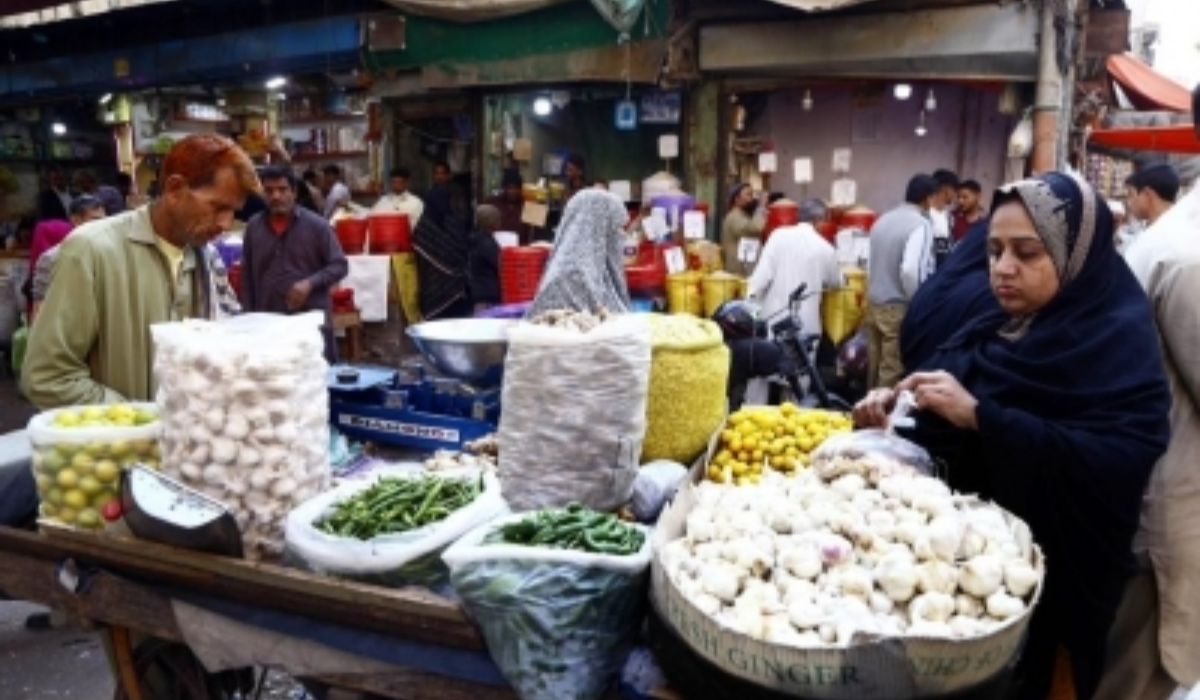
The World Bank’s October 2026 regional update highlights that roughly 48 per cent of all people living below the $3 a day poverty line across the Middle East, North Africa, Afghanistan, and Pakistan (MENAAP) region are Pakistani, while the remaining 47 per cent are in Afghanistan, Syria, and Yemen. Pakistan, thus, holds nearly as many.
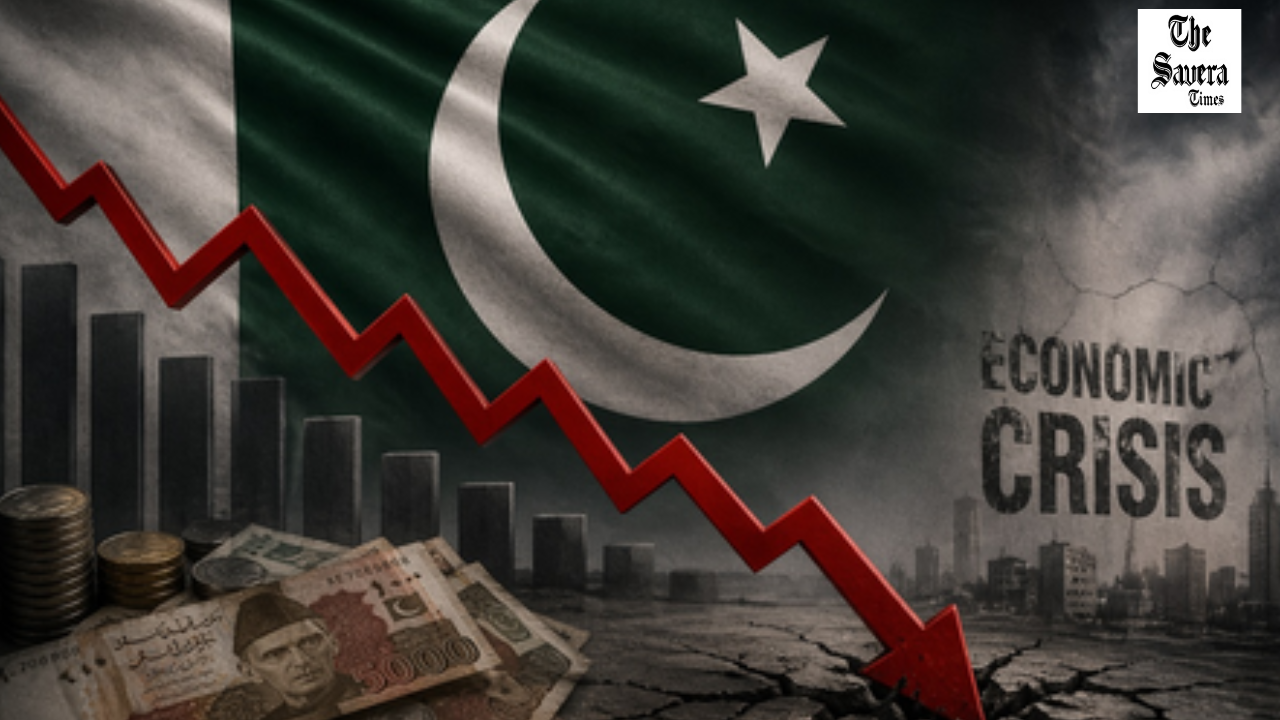
Pakistan’s economy is under mounting pressure as its total debt and liabilities have surged to Rs 85 trillion over the past four years, which highlights a steep rise in fiscal stress amid limited structural reform, a report has said.
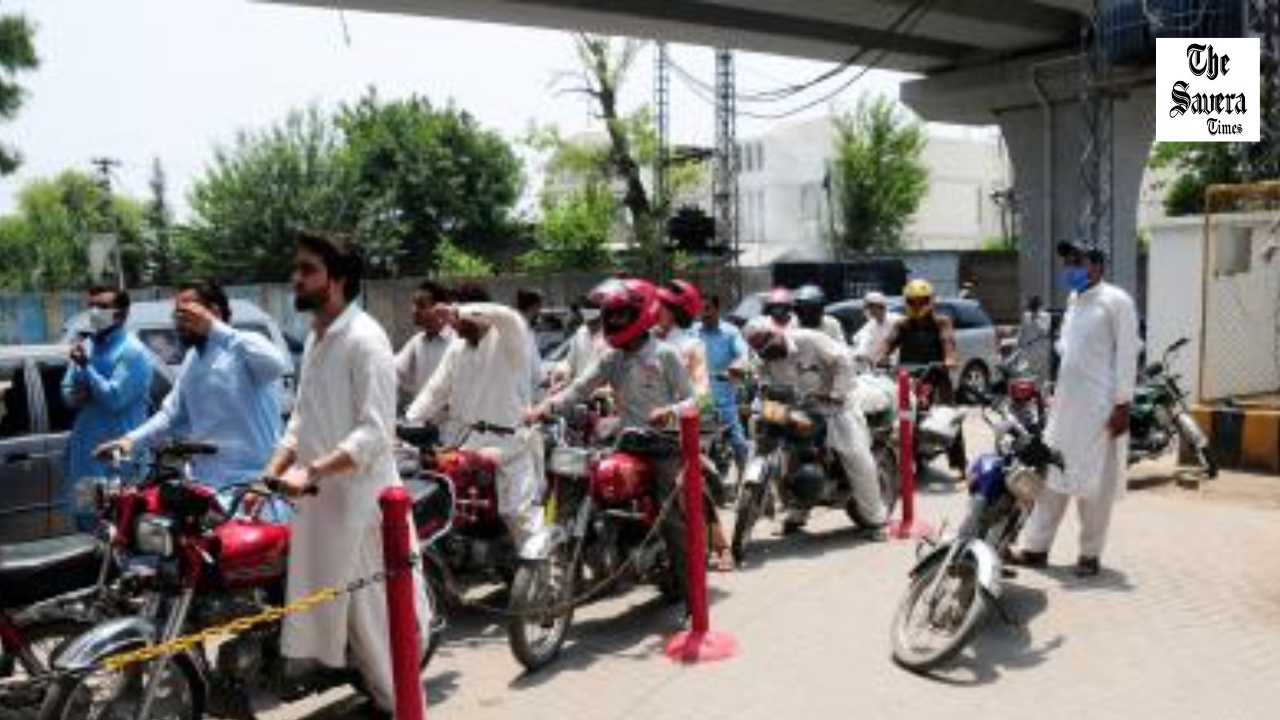
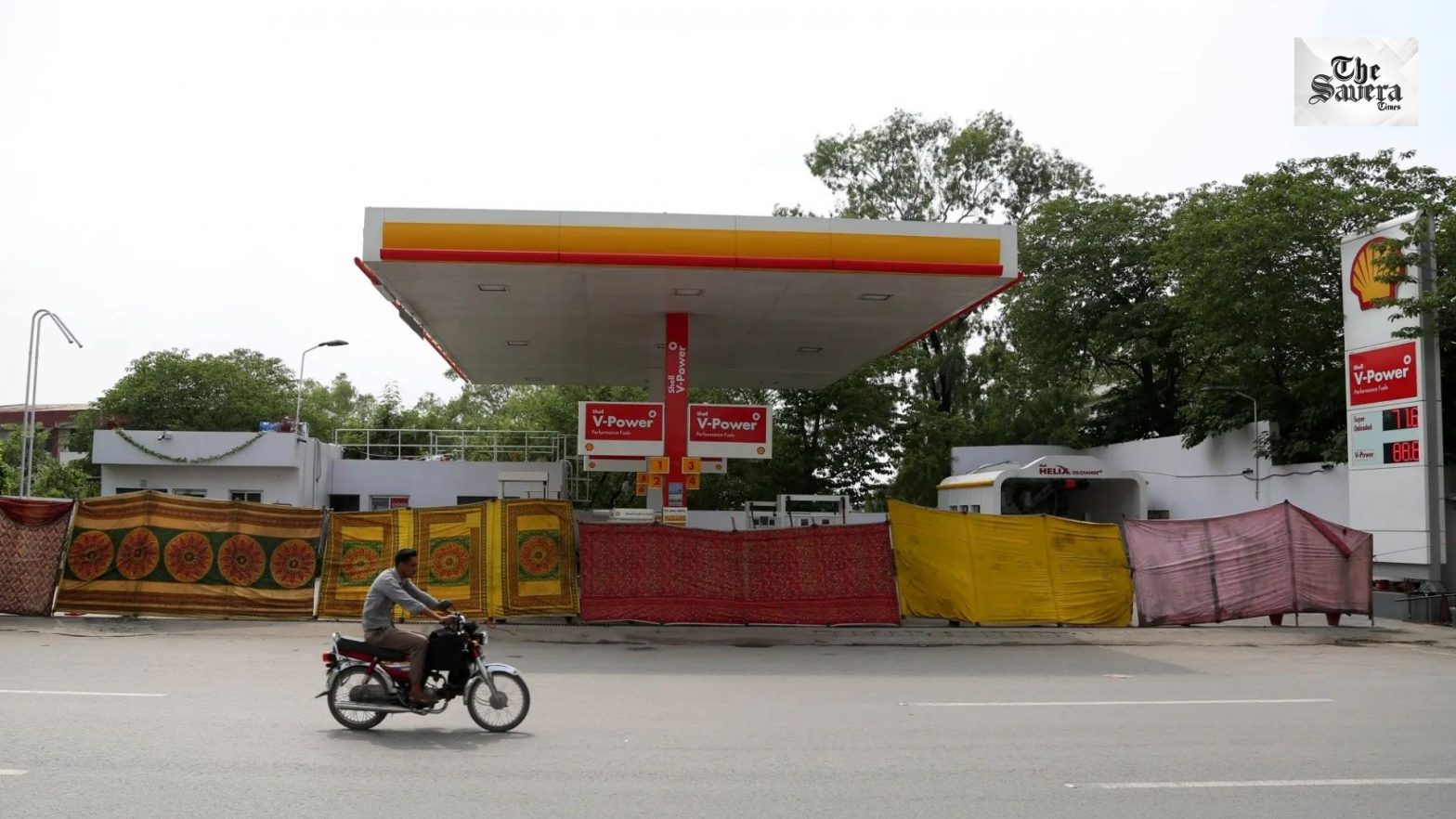
The conflict between the United States and Iran has triggered a severe energy price shock through Pakistan’s economy which is in dire straits with rising inflation, dwindling foreign exchange reserves and a fast-depreciating currency.
New Delhi: Pakistan’s foreign exchange buffers could fall sharply to $6.8 billion by the end of 2026 and approach $1.6 billion by FY28, if the country’s current macro policies continue to collapse, a new report has said. Fuel Price Surge Could Deepen Pressure on Pakistan’s Fragile Economy The report from South China Morning Post said.
Despite receiving financial assistance from the International Monetary Fund (IMF), Pakistan continues to struggle to achieve sustained economic growth. A recent report suggests that IMF-backed programmes have helped stabilise the country’s economy to some extent but have not succeeded in putting it on a strong growth trajectory. While the funding has provided short-term relief by.
According to recent reports, Pakistan is still paying terminals for liquefied natural gas more than $15 million each month. These payments are a component of the nation’s continuous efforts to obtain LNG supplies to satisfy domestic energy needs for households, businesses, and electricity. Importance of Energy Supply The payments show that Pakistan is heavily dependent.