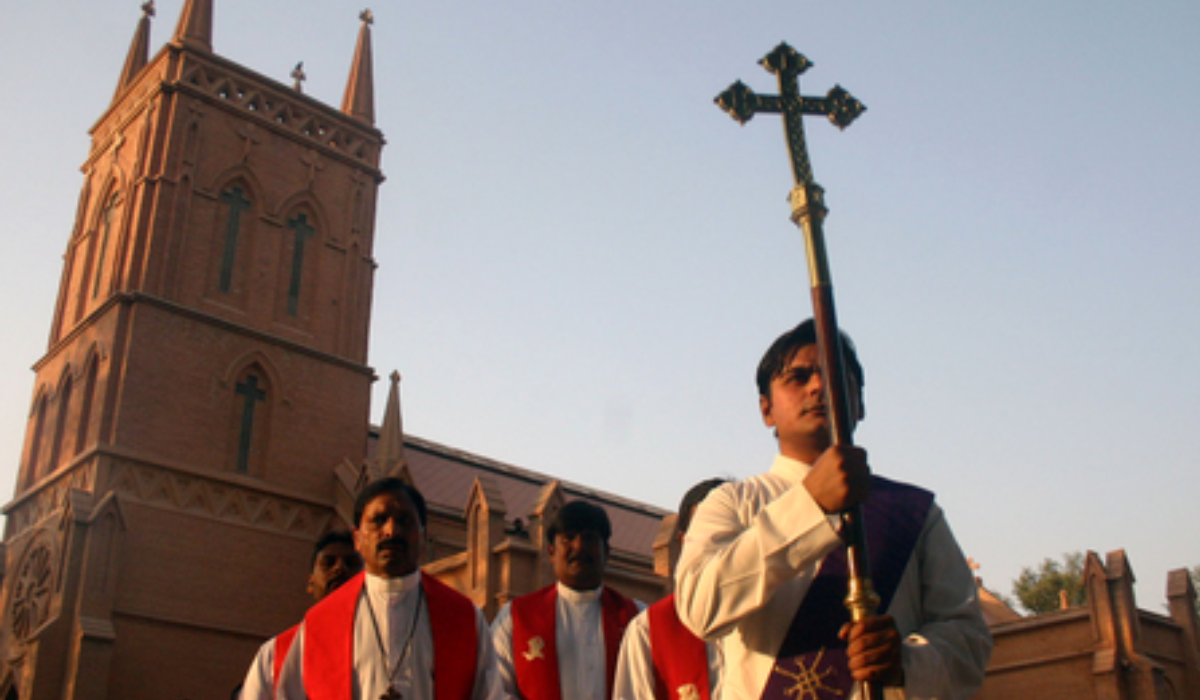
Officials in Pakistan recently reported to a parliamentary committee that most of the 333 blasphemy cases lodged in the country’s four provinces in the past five years were false. Provincial home secretaries and senior police officials reported to the Senate’s Functional Committee on Human Rights that the false cases included those involving Christians and other.
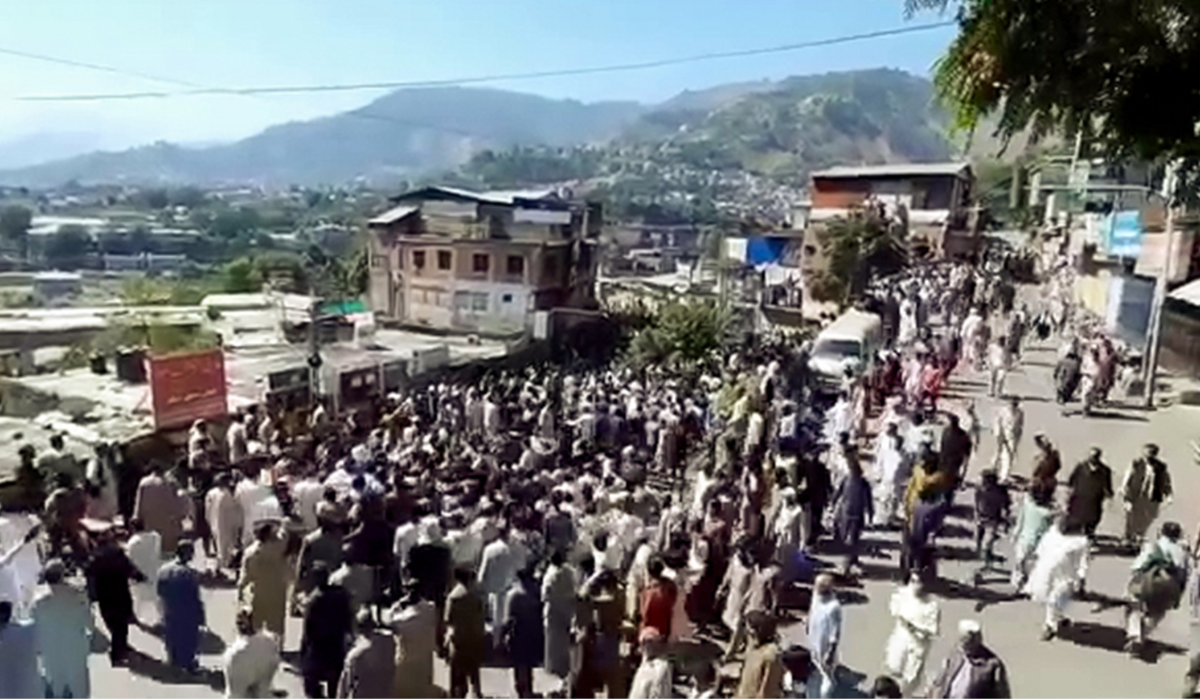
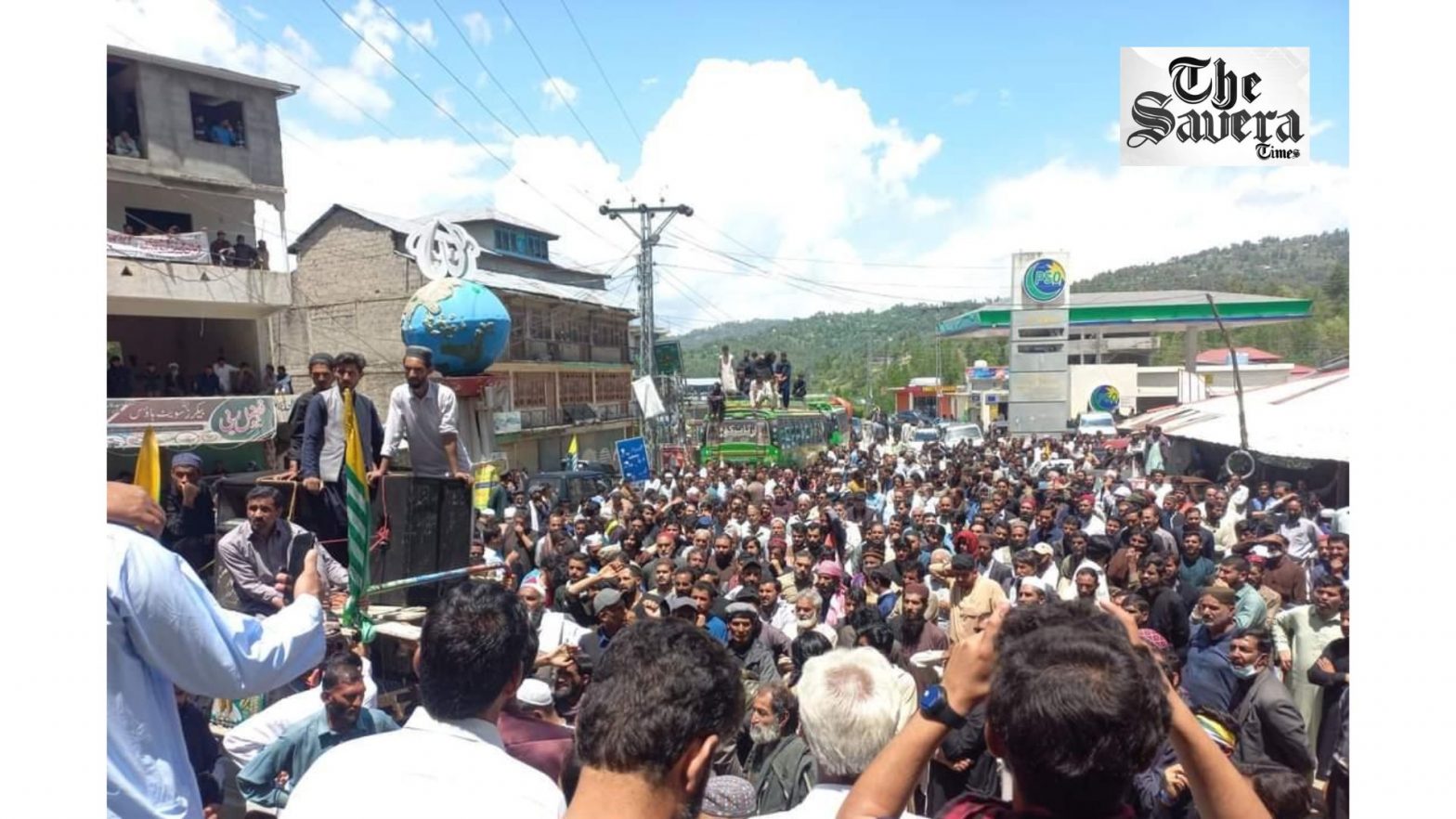
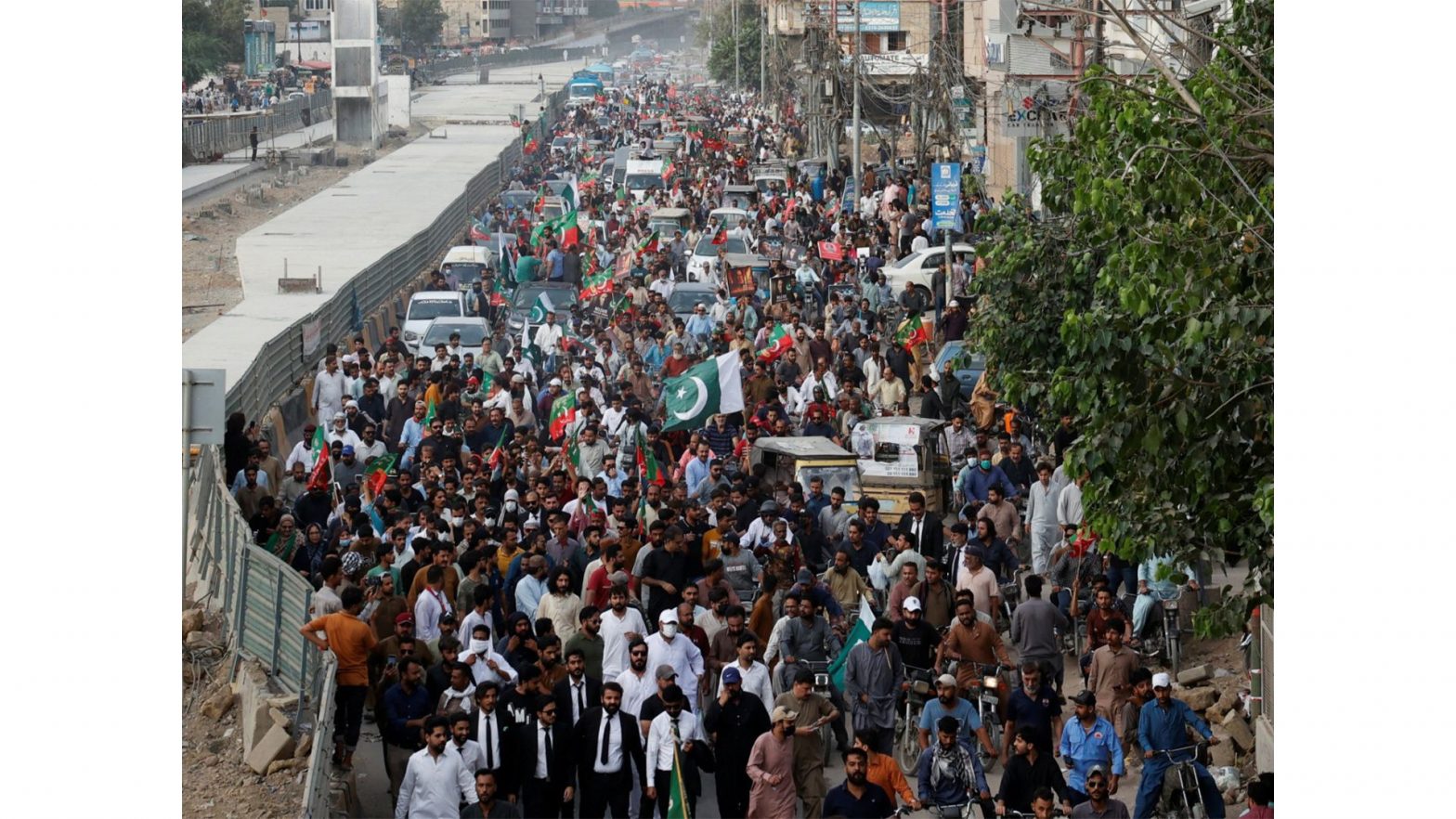
The ongoing unrest in Pakistan-occupied Kashmir (PoK) is increasingly challenging Islamabad’s long-standing narrative of control over the region, exposing a system of domination masked by the term “Azad” (freedom). While Pakistan may suppress the protests through crackdowns, arbitrary arrests and manufacturing temporary agreements, its exclusive hold over the Kashmir narrative has failed. The people living.
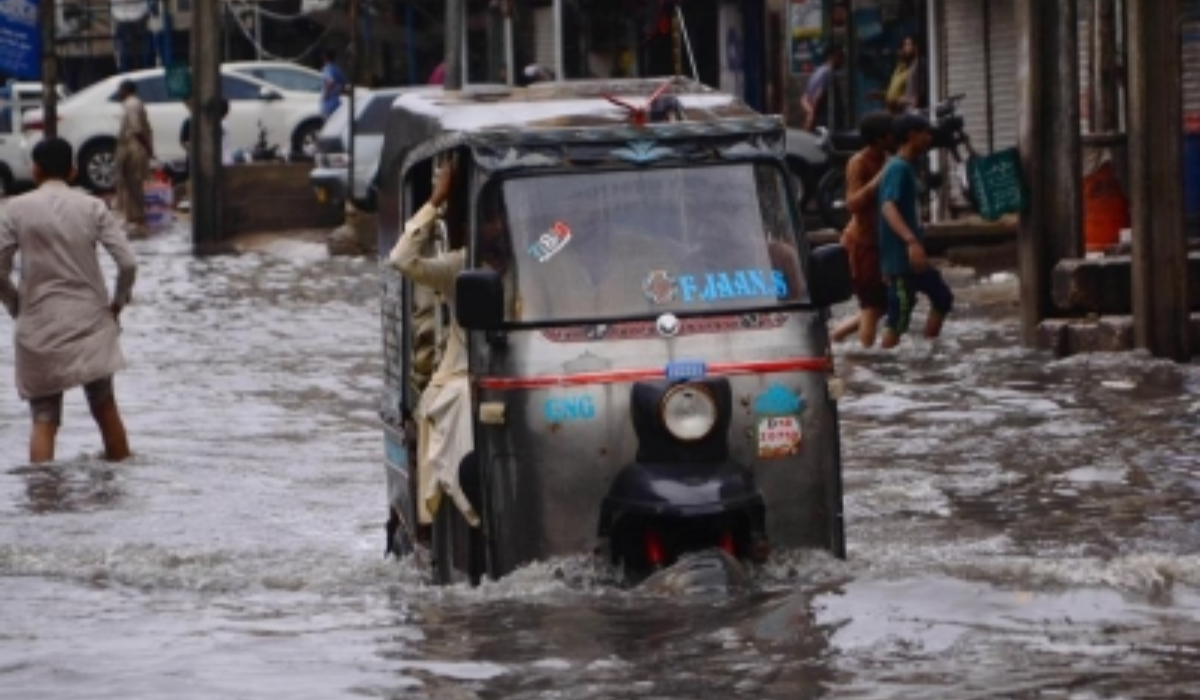
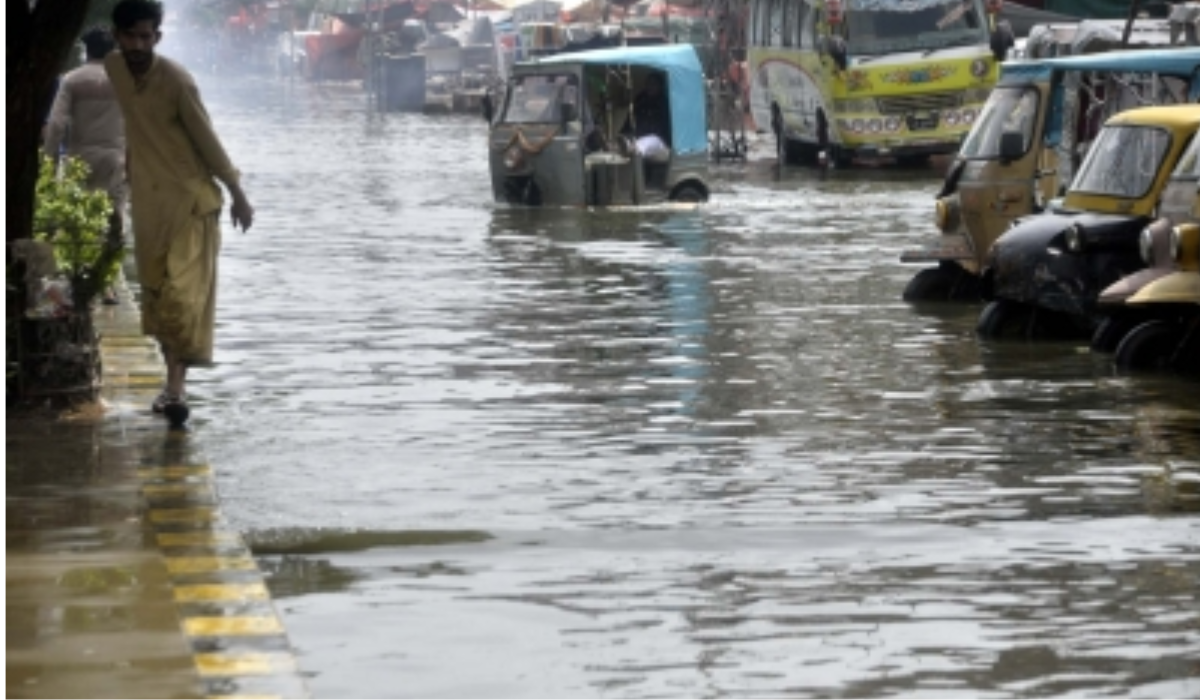
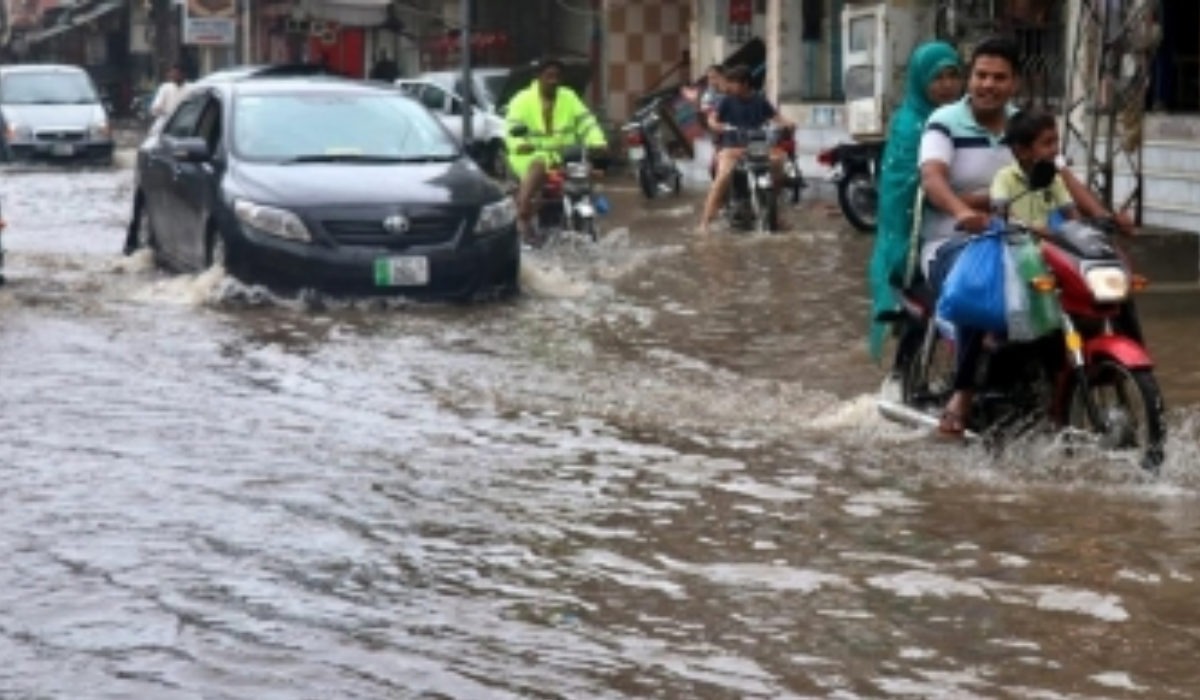
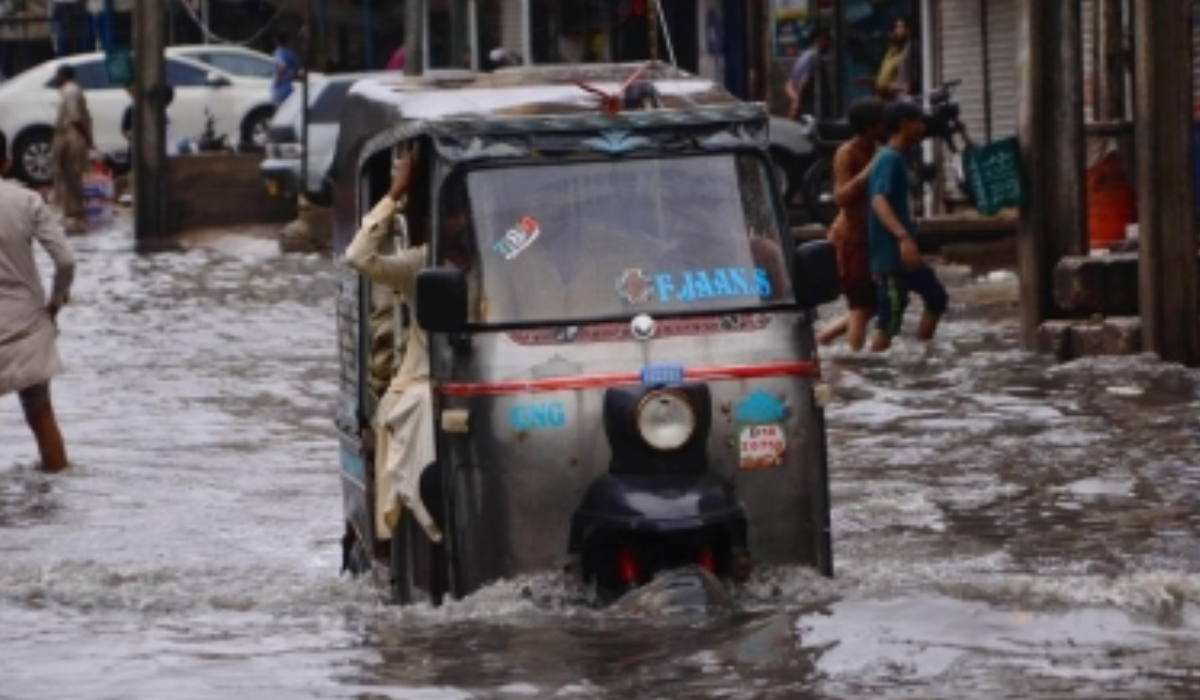
As many as eight people were killed and 14 others were injured in rain-related incidents in Gujranwala, Narowal, Pakpattan and Lahore cities of Pakistan's Punjab province, local media reported on Wednesday.
At least nine people were killed as torrential rains and flash floods wreaked havoc in Khyber and several other districts of Pakistan's Khyber Pakhtunkhwa province, local media reported on Tuesday.
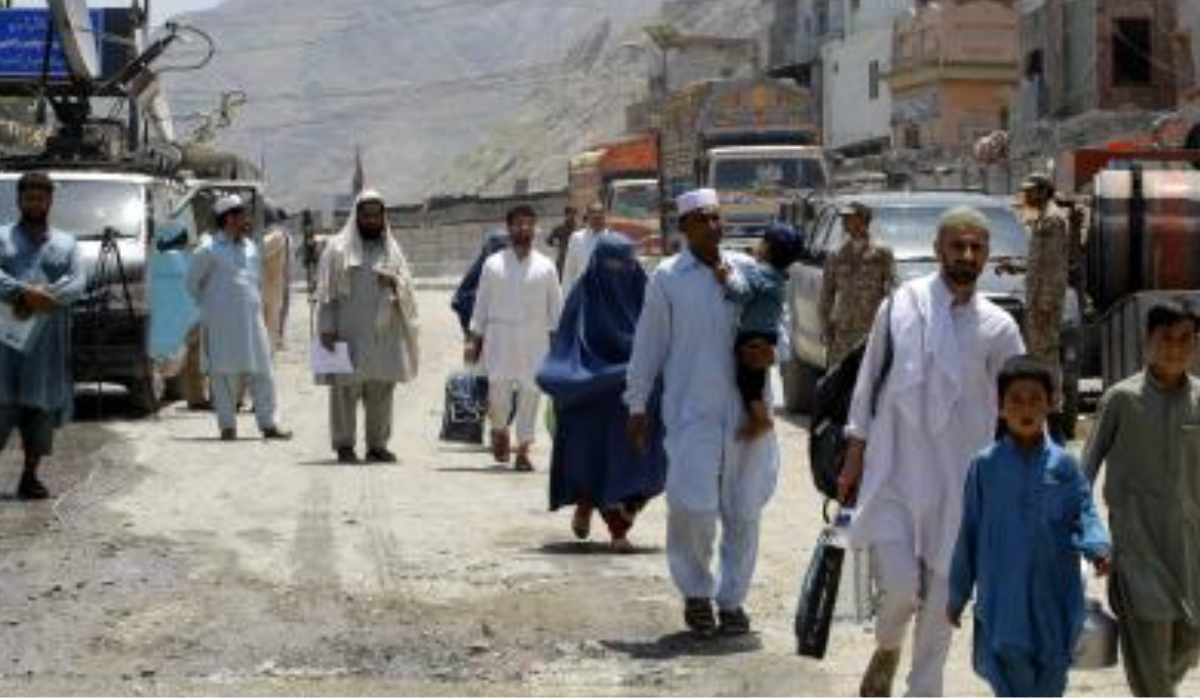
Following Islamabad’s air strikes on the Afghan provinces of Kunar, Paktia, and Paktika in late June, India emerged as the only country to denounce the strikes publicly. New Delhi still continues to condemn Pakistan’s cross-border strikes in Afghanistan at the United Nations. Pakistan was widely regarded as the Taliban’s closest ally and principal backer from.
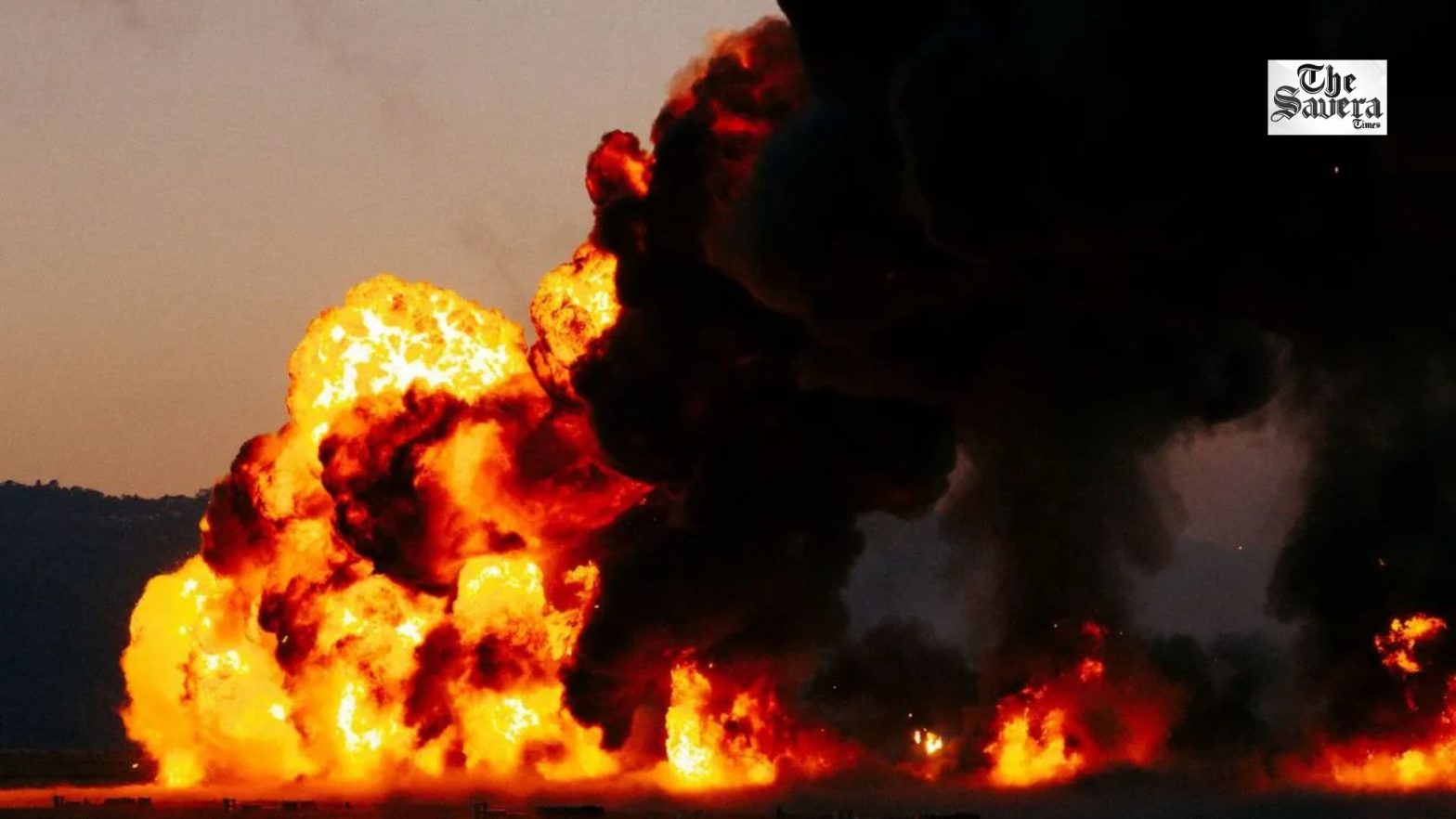
Pakistan’s struggle with terrorism is the result of historical strategic decisions, evolving militant ecosystems, ideological radicalisation, governance deficiencies, and regional instability. Pakistan’s experience showcases that the cultivation or selective tolerance of militant organisations can eventually produce security threats that extend far beyond its original goals. Pakistan’s struggle with terrorism is often projected as a.