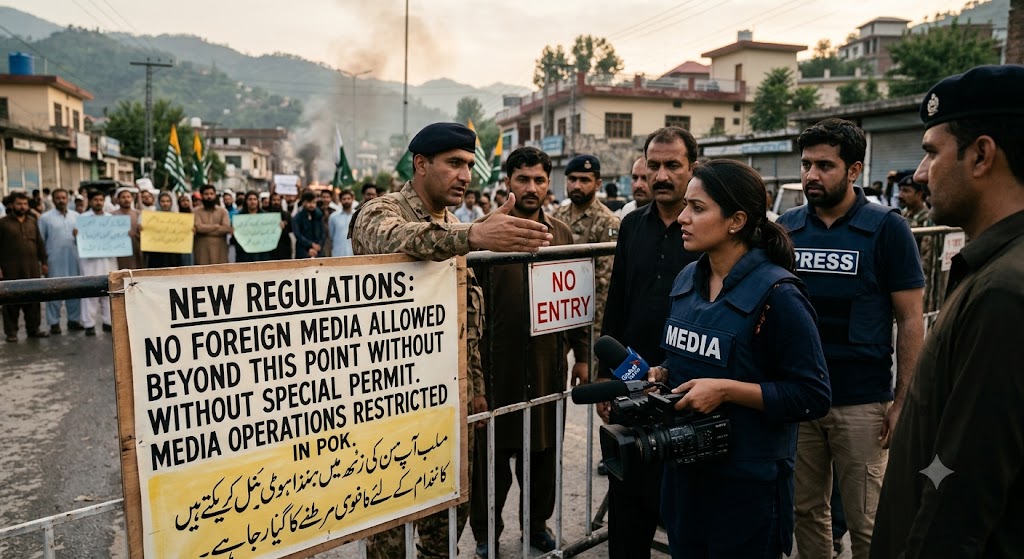
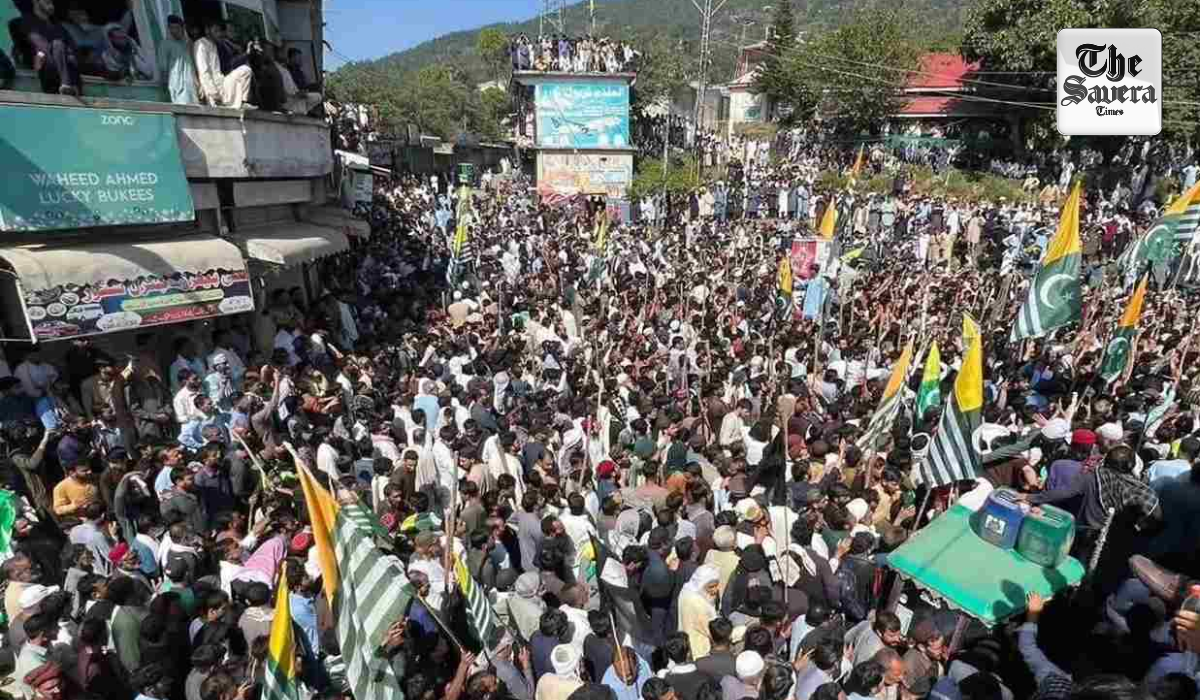
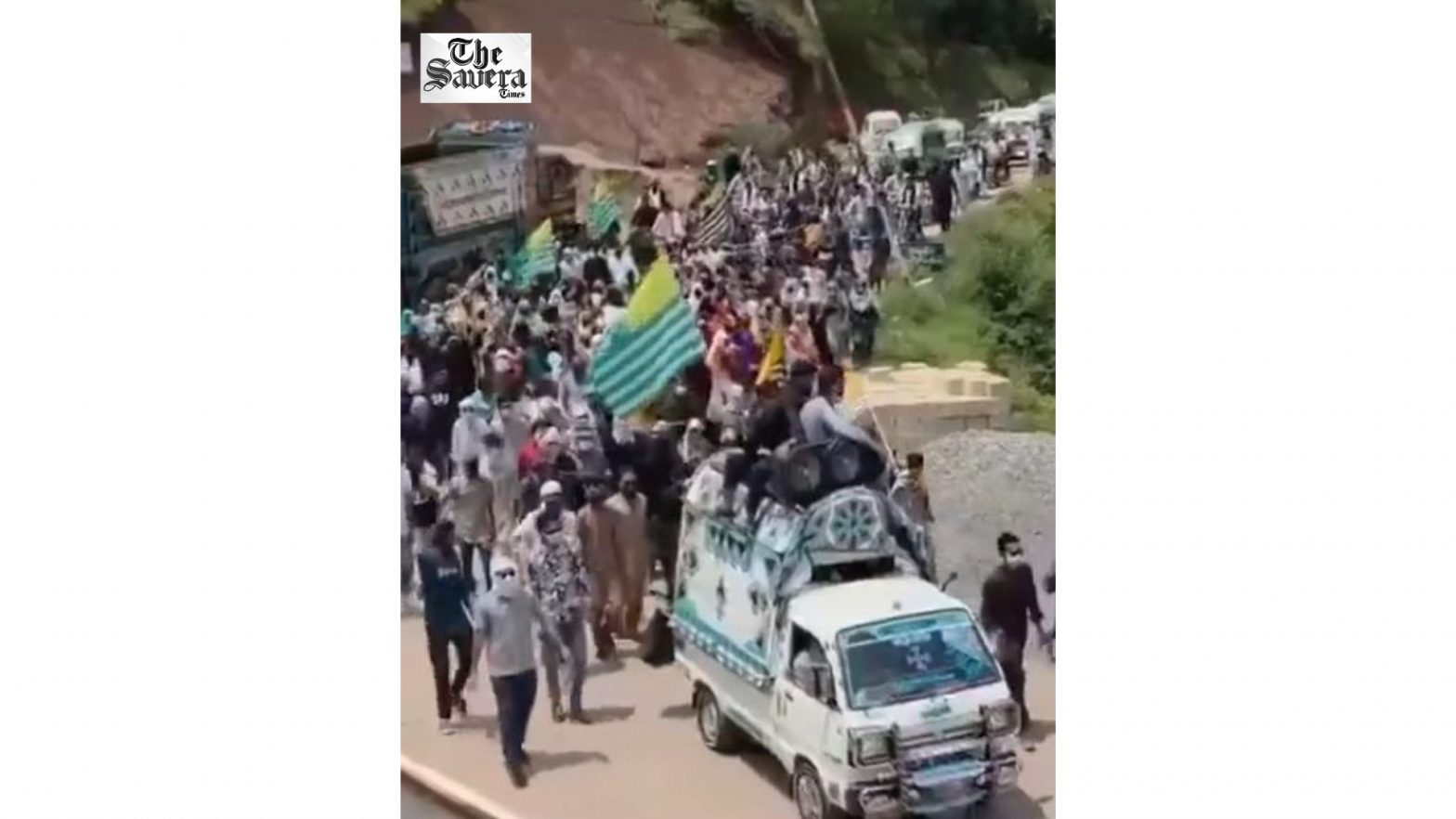
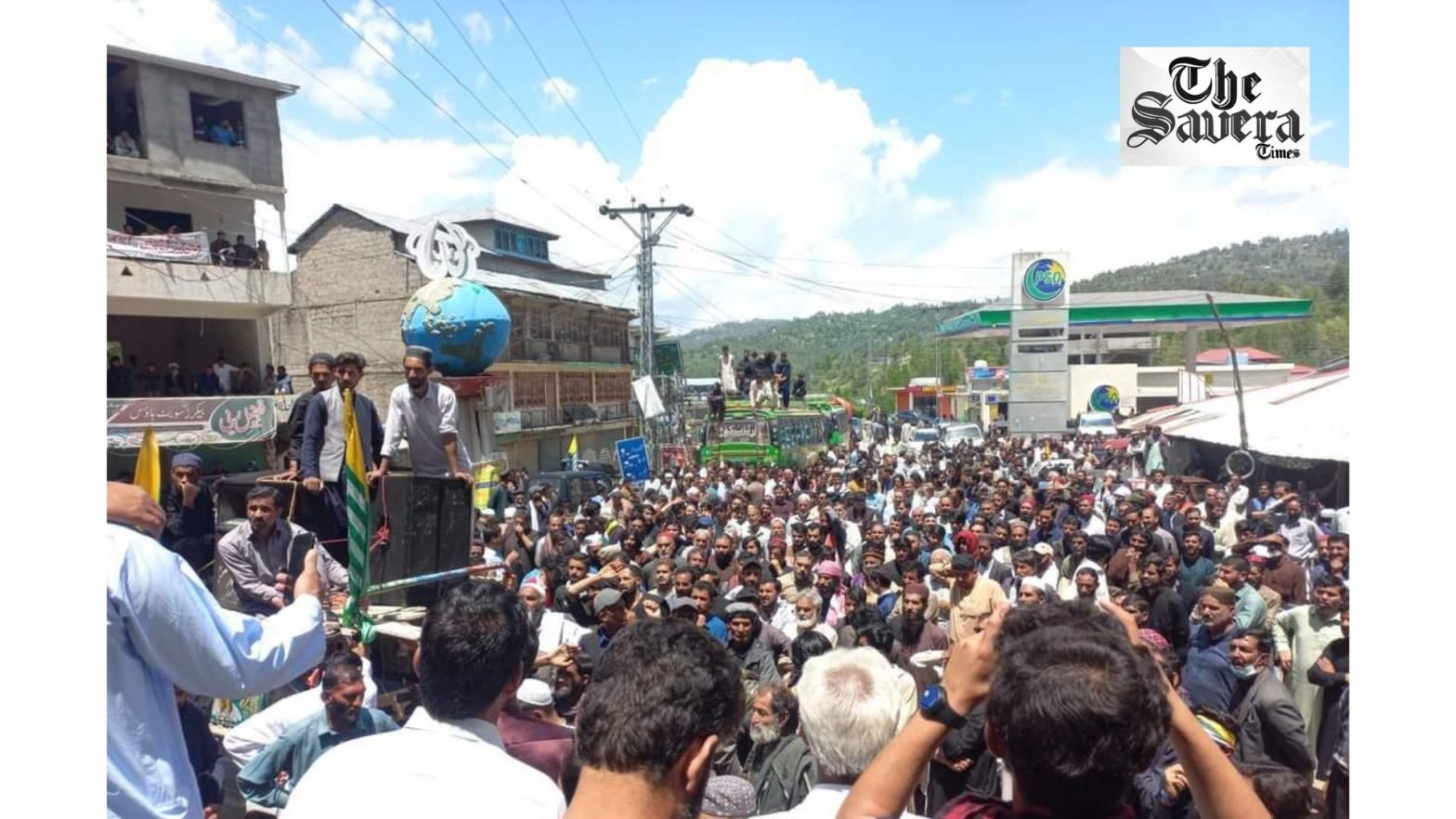
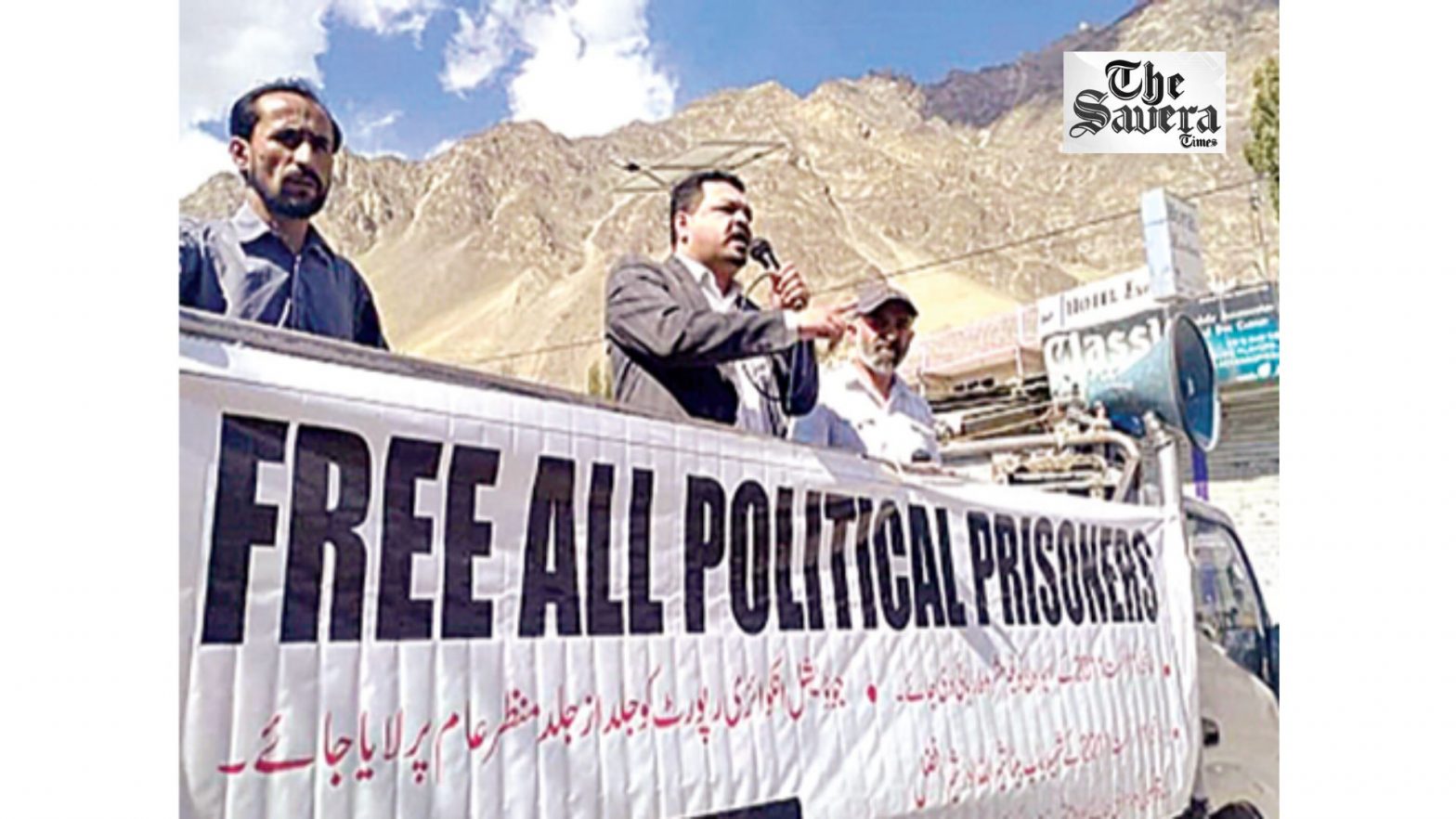
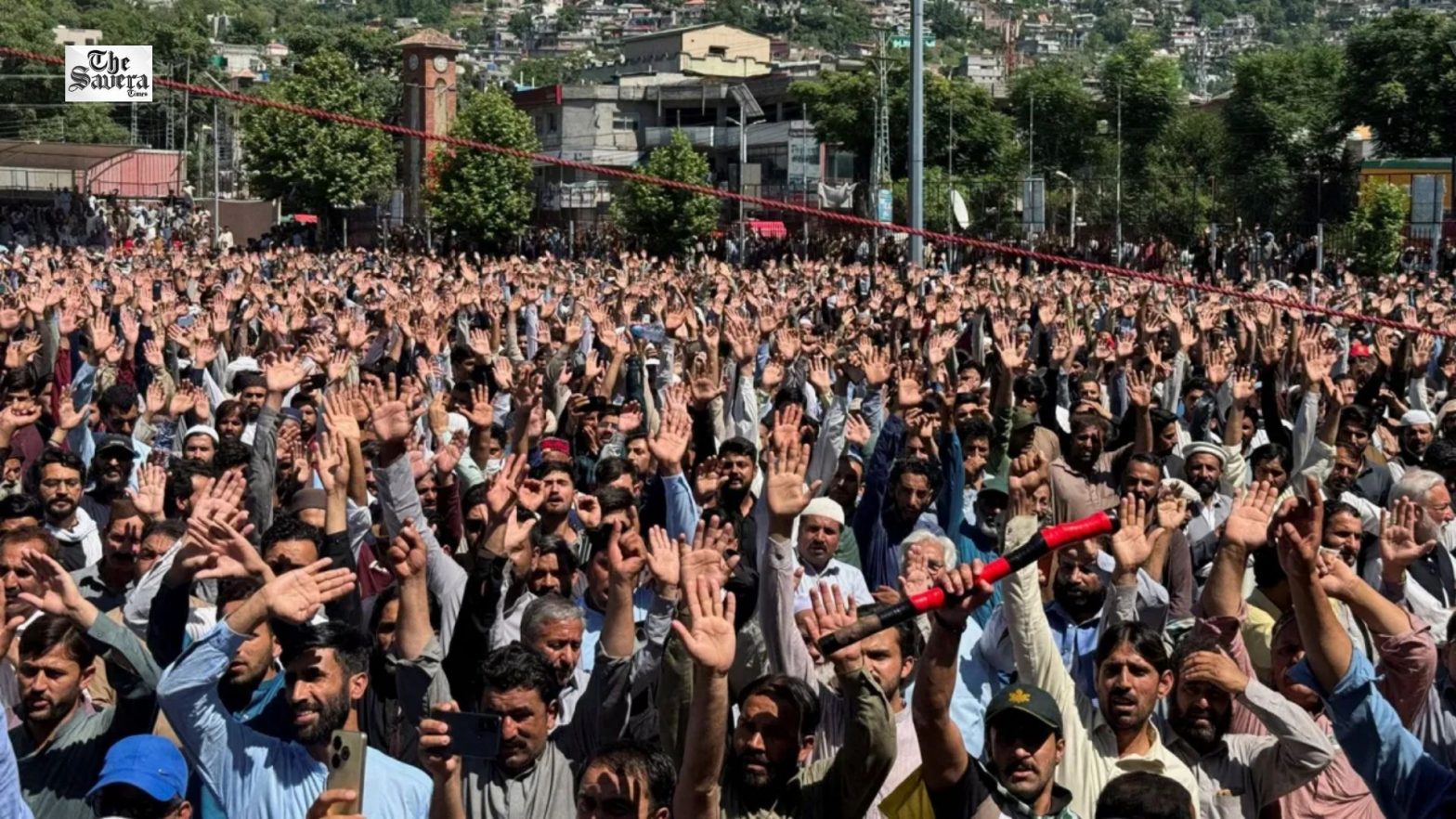
The Pakistani authorities have severely restricted internet services in Pakistan-occupied Kashmir (PoK) since June 5, the day protests erupted in the region calling for electoral reforms and other sociopolitical demands.
A report has criticised Western media for allegedly giving limited coverage to reported violence and human rights concerns in Pakistan-occupied Kashmir, Balochistan and Khyber Pakhtunkhwa.
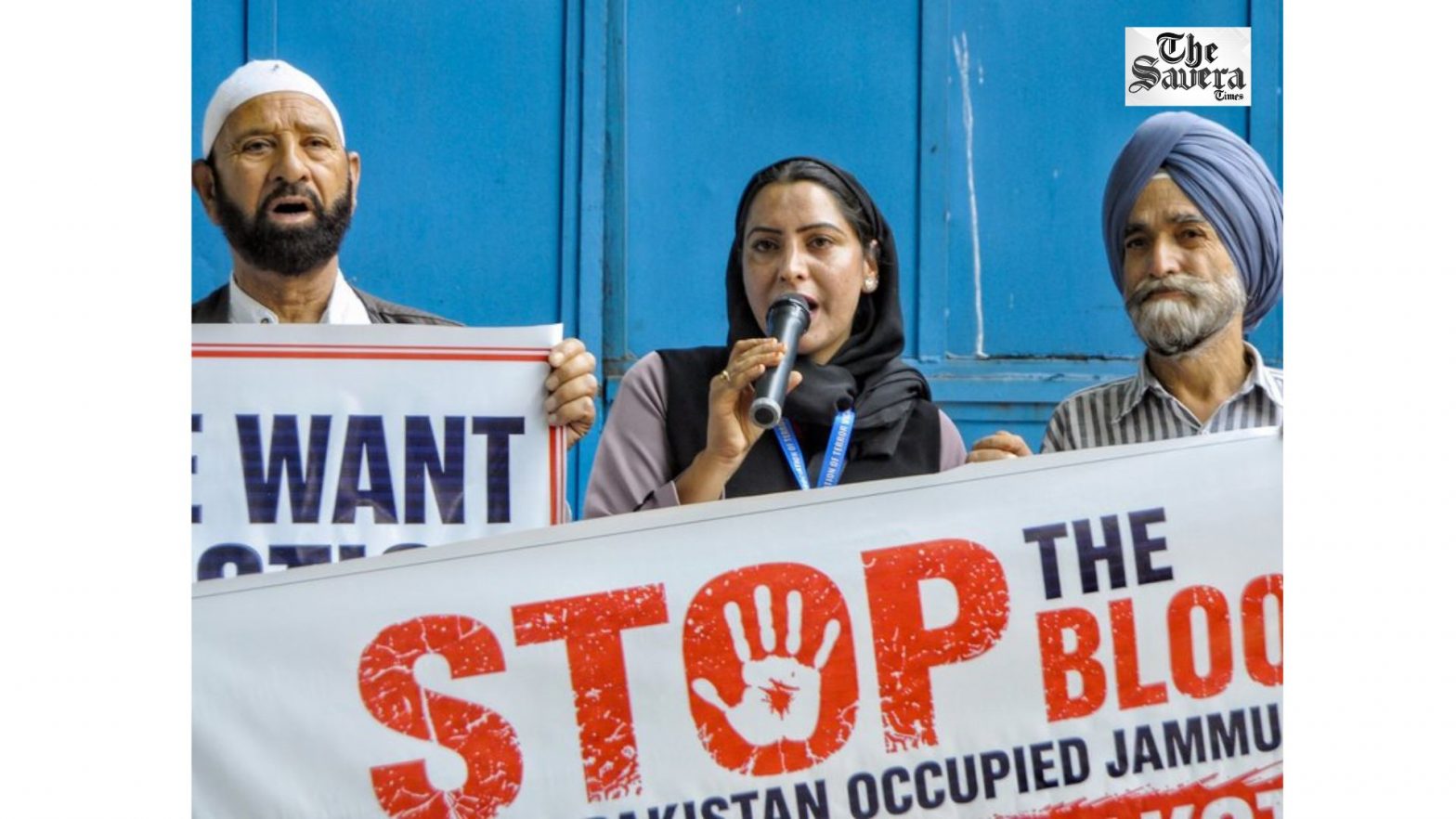
Islamabad’s brutal crackdown on the people of Pakistan-occupied Jammu and Kashmir (PoJK) reveals the hollow hypocrisy of its lectures on Kashmiri rights. Pakistan’s repression in PoJK is the logical outcome of a political project which considers Kashmiris as instruments instead of citizens. The protests, led by the Jammu Kashmir Joint Awami Action Committee (JAAC), demanding.
The ongoing unrest in Pakistan-occupied Kashmir (PoK) is increasingly challenging Islamabad’s long-standing narrative of control over the region, exposing a system of domination masked by the term “Azad” (freedom). While Pakistan may suppress the protests through crackdowns, arbitrary arrests and manufacturing temporary agreements, its exclusive hold over the Kashmir narrative has failed. The people living.
While Pakistan has long projected itself internationally as the representative of Kashmiri Muslims, the ongoing unrest in Pakistan-occupied Kashmir (PoK) appears to challenge that narrative. Protesters chanting “Pak Forces Out” have underscored growing discontent, making the demonstrations politically significant not only because of their scale but also because Muslim Kashmiris are directing their anger at.
Pakistan’s longstanding narrative of representing the interests of Kashmiri Muslims on global platforms while alleging that India violates their rights is increasingly contradicted by the ground realities in Pakistanoccupied Kashmir (PoK). In the Indian Union Territory of Jammu and Kashmir, Legislative Assembly elections were held in 2024 alongside sustained infrastructure investment. This included the inauguration.
A diversion away from the developments in Khyber Pakhtunkhwa (KP), Balochistan and Pakistan-occupied-Kashmir (PoK) is what Pakistan is in desperate need of.
The unrest in Pakistanoccupied Kashmir (PoK) must serve as a compelling case for independent factfinding mission by the United Nations and other international organisations to carry out investigation into the Pakistani army's excesses, civilian deaths, arbitrary arrests, and human rights violations in PoK.
The current political crisis in Pakistan-occupied Kashmir (PoK) underscores the deep disconnect between the local population and a “toothless” regional administration that remains entirely subservient to Islamabad.
As residents of Pakistanoccupied Kashmir (PoK) continue to grapple with rising prices of essential commodities, grievances over political representation are expected to remain a potent rallying point for public dissent. Despite its recent designation as a terrorist organisation, the Joint Awami Action Committee (JAAC), and similar groups are likely to continue seeking ways to challenge.