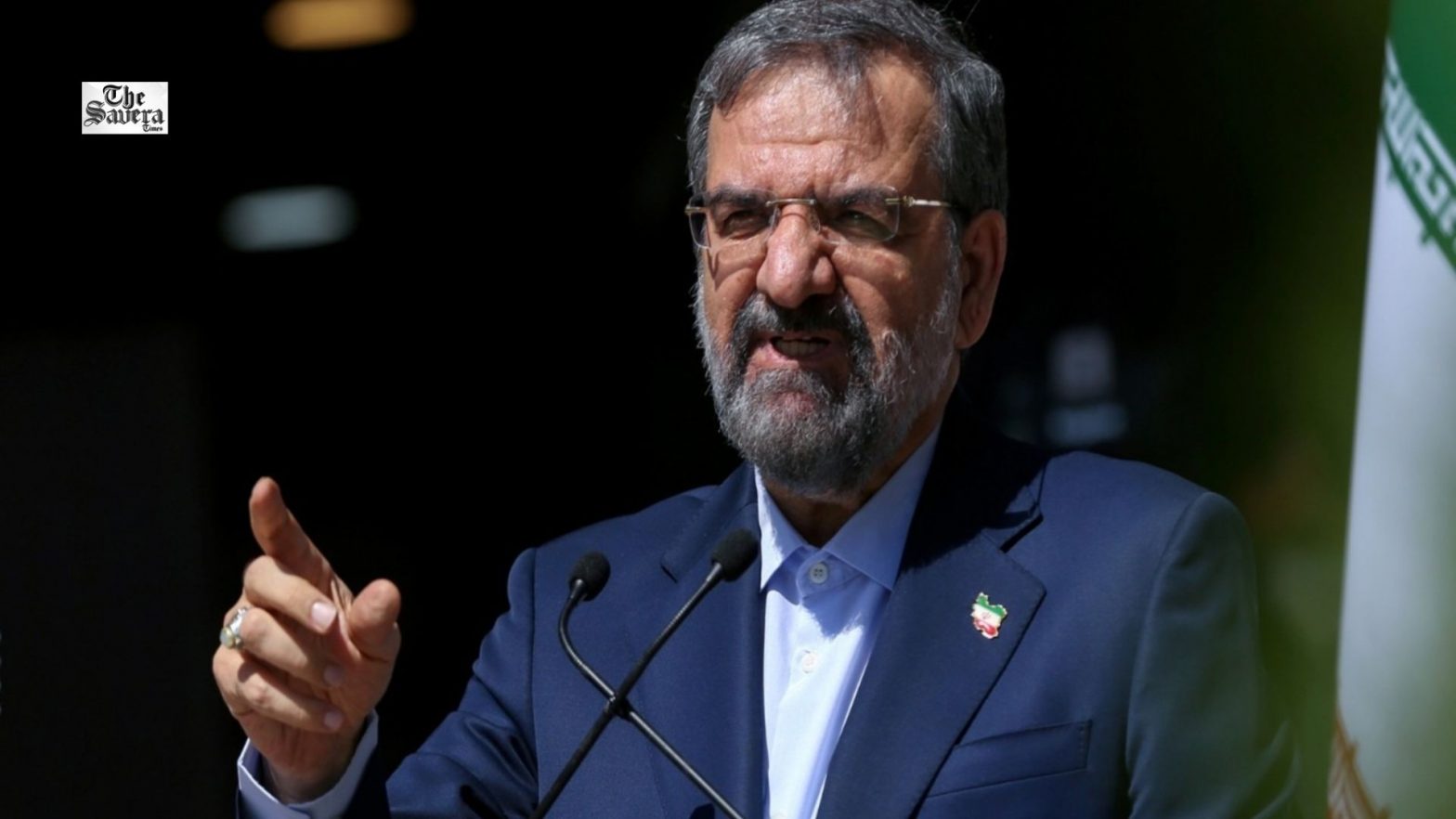
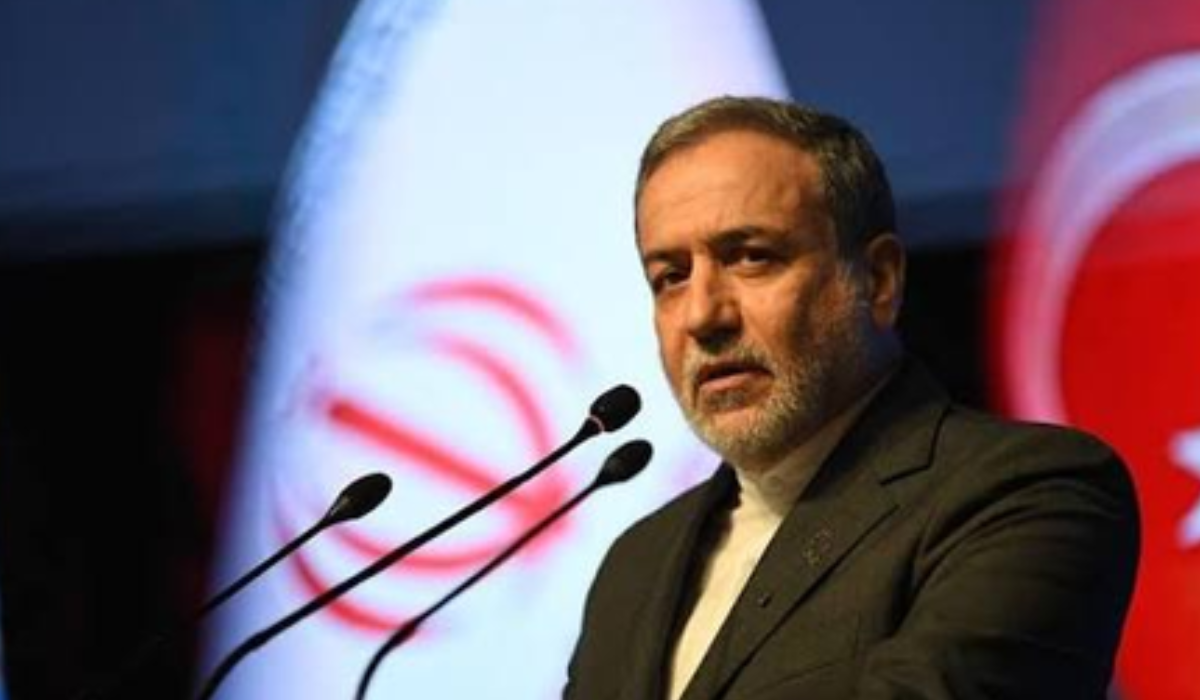
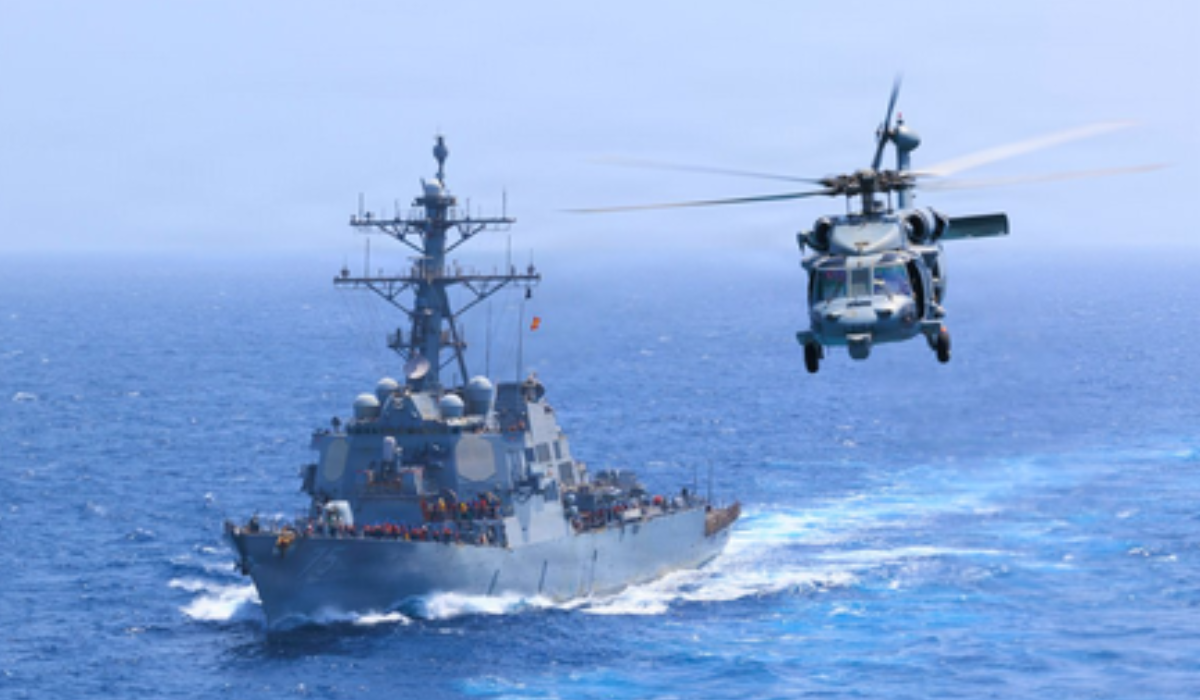
Iran's Mohsen Rezaei has warned that Tehran is ready to respond if the war continues. He also said the conflict could affect global energy markets for the next three years, as tensions rise over shipping routes and possible renewed strikes.
Iran has offered to reopen the Strait of Hormuz on the sixth day of a proposed seven-day plan and resume nuclear negotiations with the United States on the seventh, but Washington rejected the proposal because it demanded sanctions relief and access to frozen assets at the outset.
The United States and Russia weakened safeguards from a proposed United Nations framework governing lethal autonomous weapons, including a requirement for humans to review targets selected by artificial intelligence.
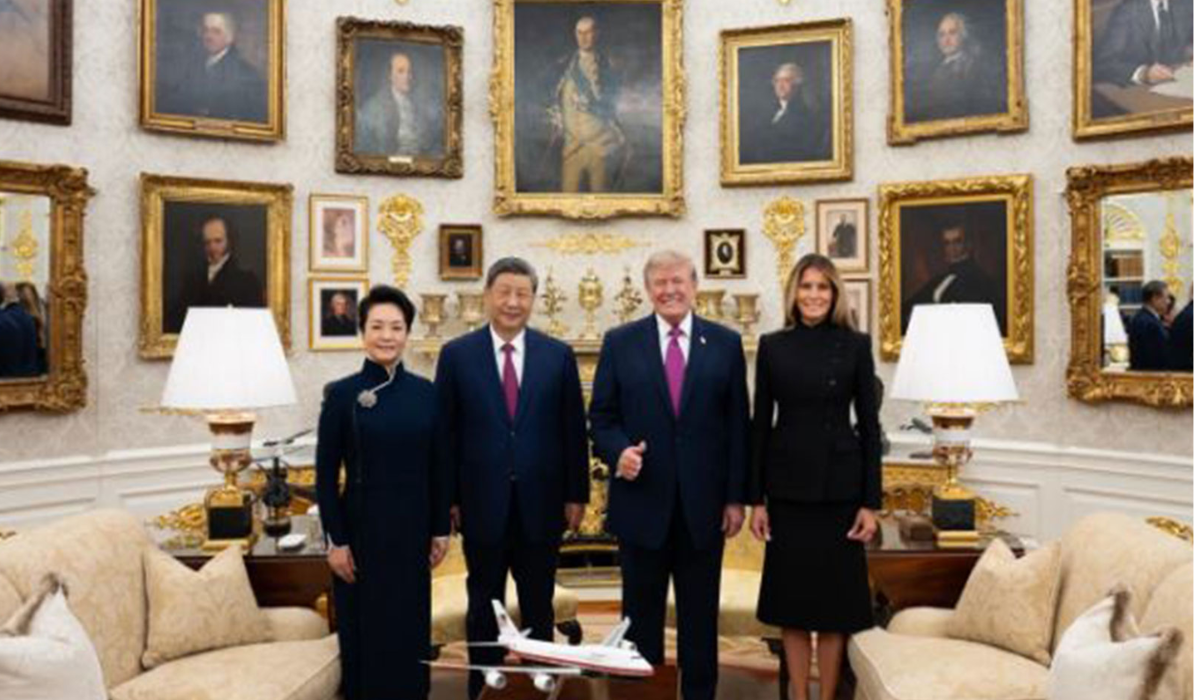
The United States and China agreed on more favourable tariff treatment for USD 30 billion of non-sensitive goods in each direction and established a new dialogue on emerging technologies during Chinese President Xi Jinping's three-day summit with US President Donald Trump, according to a White House fact sheet.
The United States has issued a fresh travel warning for Iran, urging American citizens not to travel to the country “for any reason” and asking those already there to leave immediately amid rising tensions and the possibility of further escalation across West Asia.
The United States has placed Saudi Arabia under a Level 3 "Reconsider travel" advisory and issued a Level 4 "Do Not Travel" warning for the Yemen border, citing risks from Iranian drone and missile "attacks", armed conflict, terrorism, exit bans and local laws concerning social media activity.
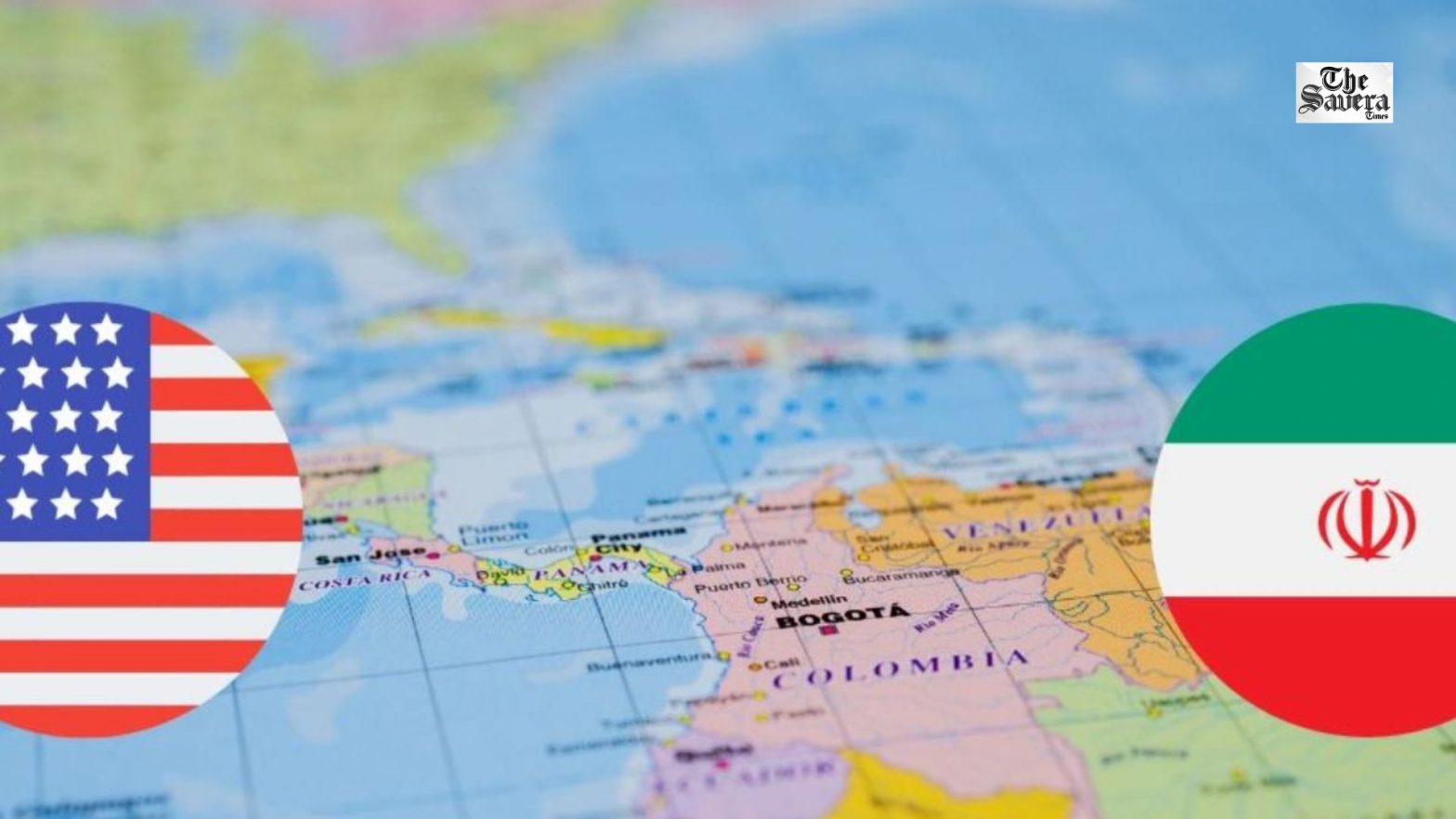
It was but a fleeting moment of belief for Pakistan that it could successfully guide the United States and Iran towards the negotiating table for an end to the war in West Asia despite its strategic commitments in the region that go against Tehran’s interests
Just two days before the September 11, 2001, terrorist attacks in the United States, Ahmad Shah Massoud, one of the Taliban's most prominent opponents in Afghanistan, was assassinated.
The order of events is the argument. On 28 February, the United States and Israel struck Iran, and Iran's retaliation closed the Strait of Hormuz to most commercial shipping.
The United States has warned that employment-based first-preference green cards for Indians could become unavailable within weeks because of heavy demand, adding fresh pressure to an already severe backlog that has left another major category closed to Indian applicants.