Last Updated: October 21, 2026
Last Updated: October 21, 2026





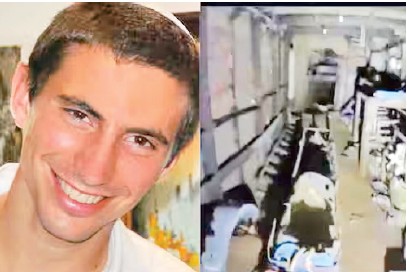
The Israel Defense Forces has revealed a large underground tunnel in Gaza where it says the body of Lieutenant Hadar Goldin was kept by Hamas for more than a decade. Goldin, a 23-year-old soldier killed in 2014, was taken captive during the Gaza War and his remains were returned to Israel last week, 4,118 days after his death.
The IDF released a video of the tunnel on Thursday, describing it as one of the most complex structures uncovered in the southern Gaza Strip. According to the military, the subterranean route stretches more than seven kilometres and reaches a depth of about 25 metres beneath Rafah.
The tunnel system cuts through a densely populated area near the Philadelphi Corridor on the Gaza-Egypt border. The IDF said the route continues under several civilian locations, including a UNRWA compound, mosques, clinics, kindergartens and schools. The structure was found during an operation in southern Rafah involving the Southern Command, the Yahalom combat engineering unit and the Shayetet 13 naval commando force.
The IDF said the tunnel contained around 80 rooms, including sections that functioned as command centres. These areas were allegedly used by senior Hamas personnel for planning attacks, storing weapons and living for extended periods. One of the commanders believed to have used the complex was Mohammad Shabaneh, head of the Rafah Brigade. Israeli forces killed Shabaneh and senior Hamas leader Mohammed Sinwar in May.
Earlier this month, Hamas announced that it had recovered Goldin’s body from a tunnel in Rafah, which is now under Israeli control. Israeli forces had searched the area repeatedly during the past year but had not identified the precise location. Goldin was killed and captured on August 1, 2014, while trying to dismantle a Hamas tunnel during a ceasefire. The IDF’s Nahal Brigade recently destroyed the shaft used by militants to abduct him.
His remains were returned to Israel last week. Large crowds attended his funeral, ending an 11-year wait for closure for his family.
The discovery adds to the growing list of underground sites that the Israeli military has uncovered during the ongoing conflict. Hamas has built an extensive network of tunnels under the Gaza Strip, which Israel refers to as the Gaza metro. The passageways are believed to run for more than 500 kilometres and vary widely in purpose.
International reports, including from National Geographic, describe the tunnel network as a system used to move goods such as food, medicine, fuel, clothing and even livestock and vehicles. Hamas is known to tax goods transported through these routes, creating a substantial revenue source estimated at hundreds of millions of dollars each year.
Other tunnels are designed specifically for military use. Images released by the IDF and reports from Reuters show fortified sections intended for launches, transport, storage and logistics. Israeli authorities say Hamas used these tunnels to hide hostages taken during the October 7 attack, which triggered the current war.
In December 2023, Israel said it had discovered the largest Hamas tunnel found so far, a structure more than four kilometres long and buried about 50 metres below ground. It was wide enough for small vehicles to move through and lay just a short distance from the Erez crossing between Gaza and Israel. The tunnel had wiring and systems for ventilation and electricity.
More recent discoveries include the identification of a tunnel beneath the emergency wing of the European Gaza Hospital in Khan Younis, where the IDF said it found the body of senior Hamas commander Muhammad Sinwar in June. The military has also said it located tunnels under Al-Shifa Hospital, a United Nations facility in Gaza City, Rantisi Hospital and Al-Quds Hospital, along with large caches of weapons stored inside several of these locations.
The findings highlight the scale and complexity of the underground infrastructure that has become central to Hamas operations and to the ongoing conflict in Gaza.
Protests in Jakarta, Yogyakarta and Bandung brought students onto the streets over rising costs, forest fires and civil...
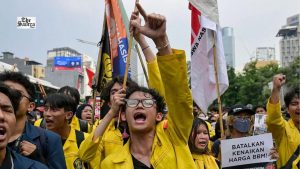
Organisations linked to Neville Roy Singham are under US congressional scrutiny over funding. Their coverage of protests in...
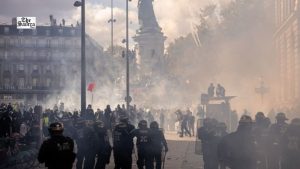
US President Donald Trump says Washington and New Delhi are close to a trade agreement that will differ...
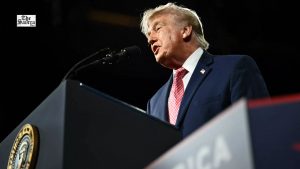
Iran has ruled out transferring its enriched uranium stockpile outside the country, with security official Mohsen Rezaei reiterating...
Donald Trump has urged Volodymyr Zelensky to pursue a peace deal with Russia, warning that Ukraine could face...
Pakistan, battling insurgencies at home and tensions along multiple borders, is too overstretched to offer meaningful military support...
Aries: The day will be auspicious...