Last Updated: October 21, 2026
Last Updated: October 21, 2026





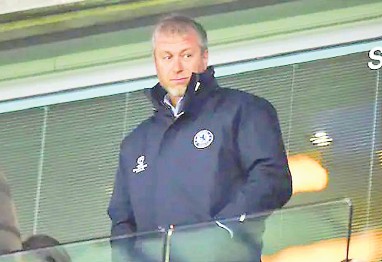
After Russia’s full-scale invasion of Ukraine in early 2022, the UK government hit a bunch of wealthy Russians with sanctions because of their close ties to Vladimir Putin. One of the people sanctioned was Roman Abramovich, the Russian oligarch who had owned Chelsea Football Club for nearly two decades. Sanctions meant freezing his UK assets, and because he owned Chelsea, the government also had to deal with what happened to the club and the money from its sale.
Chelsea’s sale and the frozen cash
Abramovich was forced to sell Chelsea in May 2022 after sanctions made it politically and legally impossible for him to keep running the club. A US-based consortium led by Todd Boehly and private equity firm Clearlake Capital bought the team for around £2.5 billion. Because Abramovich was sanctioned, the proceeds from that sale weren’t released to him. Instead, they were put into a frozen UK bank account controlled by his company.
At the time of the sale, Abramovich publicly said he intended to use the net proceeds from that deal “for the benefit of all victims of the war in Ukraine,” including funding urgent humanitarian needs and longer-term recovery. But over three and a half years later, that money still hadn’t been released or spent.
Why the money hasn’t moved yet
The main holdup has been a stalemate between Abramovich’s camp and the UK government over how the frozen funds should be used. The government’s position is that if the money is ever unfrozen and released, it must go exclusively toward humanitarian causes in Ukraine — rebuilding infrastructure, helping displaced people, treating the wounded, shelter, food, medical aid, and other war-related relief. The government stressed that the funds shouldn’t benefit Abramovich or others under sanctions. Abramovich and his representatives have pushed for broader interpretation, suggesting the money could benefit all victims of the war, not just Ukrainians inside Ukraine. That could open the door to support for refugees abroad, victims in regions affected indirectly by the conflict, or even Russians harmed by the war. The UK government has been firm that under the current licence, the proceeds must be spent in Ukraine and solely on humanitarian purposes there. Negotiations around how to define those terms dragged on for years, and without a licence from the UK’s sanctions-enforcement body (the Office of Financial Sanctions Implementation), the money couldn’t move at all.
What changed now
In December 2025, Prime Minister Keir Starmer’s government took a big step. They issued an official licence allowing the transfer of the £2.5 billion in frozen proceeds — but only if Abramovich agrees to the government’s conditions. The licence specifies that the money must go to a new charitable foundation set up to support humanitarian efforts in Ukraine. Starmer has publicly warned Abramovich that “the clock is ticking” for him to honour his earlier promise. The government has also said it’s ready to go to court if Abramovich doesn’t agree to transfer the funds under the terms of the licence. In Parliament, ministers made it clear they want this done without delay so the money doesn’t just sit unused. Under the licence, the proceeds must go straight to humanitarian aid in Ukraine, but future investment gains earned by the foundation could be spent on other conflict-victim relief worldwide. Abramovich or any others under sanctions are strictly barred from benefiting from the funds.
Why this matters beyond Chelsea
This isn’t just about football money. It’s part of a broader Western push to turn frozen Russian assets into support for Ukraine. Europe is debating plans to use billions of euros from other immobilised Russian assets to help Kyiv’s financial and defence needs. The idea is to hold Russia accountable for the human and economic toll of its invasion. The situation also highlights how complicated sanctions can be when they intersect with private property, legal commitments, and cross-border finance. Even when someone like Abramovich publicly promises to use funds for humanitarian purposes, the legal framework of sanctions can make it extremely hard to actually spend the money. That’s part of why it’s taken years to get to this point.
What happens next
ow Abramovich has roughly 90 days to formally agree to the terms of the licence and transfer the £2.5 billion to the foundation for Ukraine. If he refuses or drags his feet, the UK government says it will start legal proceedings to enforce the agreement reached at the time of the 2022 sale. If that legal push succeeds, it could set a precedent for how other frozen assets tied to sanctioned individuals are used in the future — especially when there’s a clear humanitarian need and a political will to act.
In short: the UK is pushing to finally move the Chelsea sale money sitting unchanged in a frozen account into real aid for Ukraine, but legal battles and differing interpretations of how the funds should be used have made it a long, drawn-out process. The government just issued a licence to force the hand, and now everything kicks into high gear as both sides navigate the next steps.
Protests in Jakarta, Yogyakarta and Bandung brought students onto the streets over rising costs, forest fires and civil...
Organisations linked to Neville Roy Singham are under US congressional scrutiny over funding. Their coverage of protests in...

US President Donald Trump says Washington and New Delhi are close to a trade agreement that will differ...
Iran has ruled out transferring its enriched uranium stockpile outside the country, with security official Mohsen Rezaei reiterating...
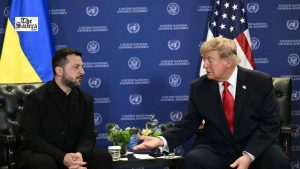
Donald Trump has urged Volodymyr Zelensky to pursue a peace deal with Russia, warning that Ukraine could face...
Pakistan, battling insurgencies at home and tensions along multiple borders, is too overstretched to offer meaningful military support...
Aries: The day will be auspicious...