Last Updated: October 21, 2026
Last Updated: October 21, 2026





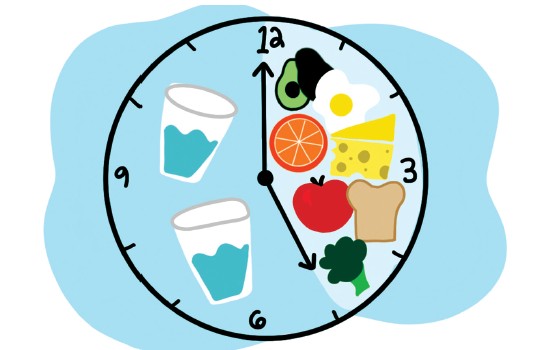
The search for rapid weight loss often leads people through a maze of diets, each promising dramatic results. Intermittent fasting, paleo plans and low-carb regimes all claim to deliver quick changes, yet many require strict discipline, major lifestyle shifts and long periods without food. A newer approach has begun attracting attention for offering many of the benefits of fasting without the discomfort of going hungry. Known as fake fasting, it aims to create the internal conditions of a fast while still allowing a person to eat small, nutrient-rich meals.
Fake fasting, often referred to as a fasting mimicking diet, is designed to replicate the metabolic state triggered by traditional water-only fasting. The plan typically runs for five days and sharply limits calorie intake. Exact calorie levels vary according to body size and daily requirements, but the goal remains the same: to keep the body in a state that stimulates rejuvenation processes without the complete food restriction associated with a real fast.
The method was developed by Valter Longo, a longevity researcher at the USC Leonard Davis School. His work focuses on how nutrition can influence ageing, inflammation and cellular repair. Fake fasting, built on this research, aims to promote fat loss, preserve lean muscle and encourage the body to enter autophagy, a process in which cells remove damaged material and perform internal clean-up. Longo has noted that the approach can shift the body toward a younger biological profile without requiring long-term dietary changes or continuous restrictions.
Studies from USC examined how the diet affects metabolic and immune function. Participants followed three to four monthly cycles of the five-day fake fasting plan, then returned to their regular eating patterns. During each cycle, they consumed a structured set of foods that maintained very low energy intake while delivering essential nutrients. These items included plant-based soups, nut and seed bars, dehydrated vegetable snacks and herbal teas. A supplement containing minerals, vitamins and fatty acids was also provided to support basic nutritional needs during the restricted period.
Findings from these trials indicated improvements in several health markers. Participants showed reduced risk factors for diabetes, lower levels of liver fat and changes associated with slower ageing. Indicators linked to metabolic balance and immune resilience also improved. Researchers observed evidence of biological age reduction, suggesting that the diet may influence the body at a deeper level than simple weight loss.
The daily menu on a fake fasting plan is intentionally simple. It focuses on low-carbohydrate, low-protein foods paired with healthy fats. Typical options include nut bars, broth-based vegetable soups, olives, kale chips and small servings of low-glycemic fruits such as cherries, pears or apples. The plan is commonly followed through a packaged kit, such as ProLon, created by Longo’s team. These kits offer pre-measured portions to make the diet easier to follow and reduce the possibility of overeating.
The approach appeals to people seeking weight loss, belly fat reduction and general metabolic improvement. It may also support healthier ageing by reducing inflammation and encouraging cellular repair. Some early studies suggest benefits related to blood pressure, cholesterol and markers linked to type 2 diabetes. Because meals are still included, many find it more manageable than traditional fasting, which can be difficult to sustain and often leads to strong hunger or fatigue.
Fake fasting can be repeated monthly for ongoing results. It offers a structured way to reset eating habits without demanding major long-term restrictions. However, the plan is not ideal for everyone. Users may experience low energy during the five-day cycle, and the diet is not recommended for pregnant or breastfeeding individuals, or for those who are underweight. People with chronic medical conditions should seek professional guidance before beginning the regimen. Like any dietary intervention, it works best when aligned with personal health needs and monitored with care.
Protests in Jakarta, Yogyakarta and Bandung brought students onto the streets over rising costs, forest fires and civil...

Organisations linked to Neville Roy Singham are under US congressional scrutiny over funding. Their coverage of protests in...

US President Donald Trump says Washington and New Delhi are close to a trade agreement that will differ...

Iran has ruled out transferring its enriched uranium stockpile outside the country, with security official Mohsen Rezaei reiterating...

Donald Trump has urged Volodymyr Zelensky to pursue a peace deal with Russia, warning that Ukraine could face...

Pakistan, battling insurgencies at home and tensions along multiple borders, is too overstretched to offer meaningful military support...

Aries: The day will be auspicious...