Last Updated: October 26, 2026
Last Updated: October 26, 2026





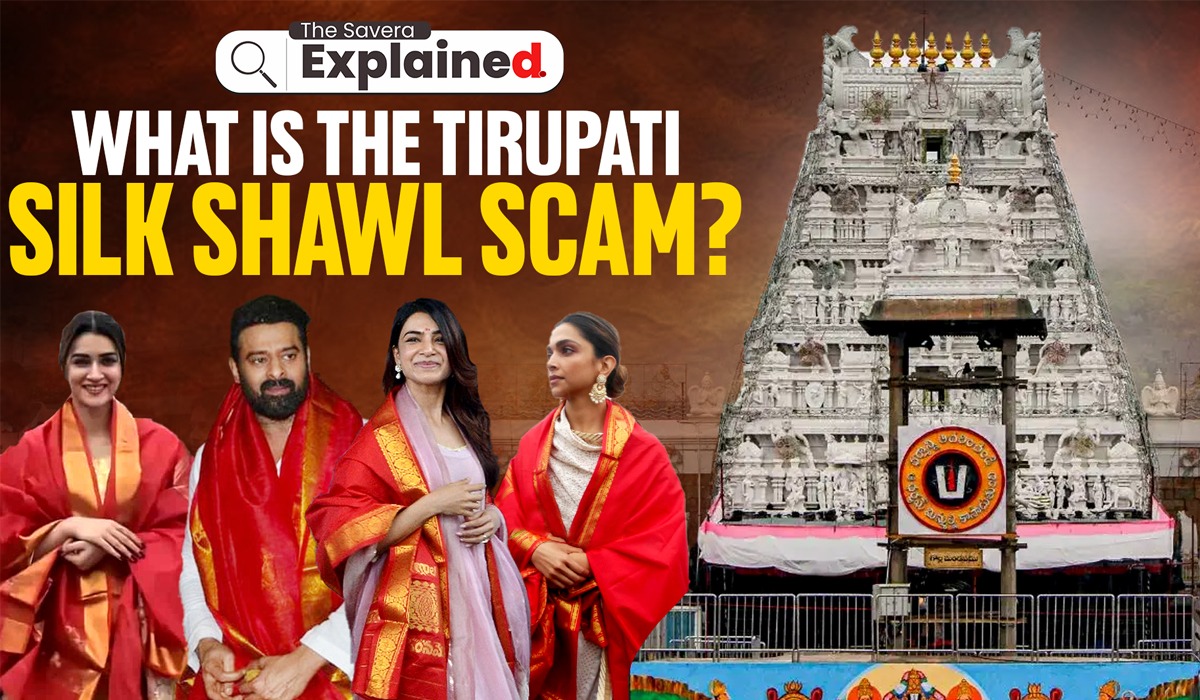
The Tirumala Tirupati Devasthanam (TTD), which manages the world-famous Lord Venkateswara Temple, has uncovered a massive fraud involving ritual silk shawls worth approximately ₹54 crore.
For nearly ten years—from 2015 to 2025—a contractor supplied cheap polyester shawls while charging TTD for pure mulberry silk shawls. These shawls are gifted to VIP donors and used in sacred rituals such as the Vedasirvachan.
How did the fraud occur?
The contract specified 100% pure mulberry silk shawls, but the supplier supplied 100% polyester shawls, which looked similar but were much lower in price.
By charging polyester shawls for silk, the contractor made huge profits. Overbilling exceeded ₹54 crore (approximately $1.5 billion) during the supply of thousands of shawls.

Two labs—including the Central Silk Board—conducted scientific tests that proved the shawls contained no silk. Even the required silk authenticity hologram was missing from all samples, evidence of deliberate fraud.
Who’s involved?
Nearly all shawl tenders over this ten-year period were awarded to the same supplier and its sister companies. The repeated awarding of tenders to the same group has raised questions about transparency and internal audits, and it is also suspected that officials ignored warning signs during inspections and payments.
How did the scam come to light?
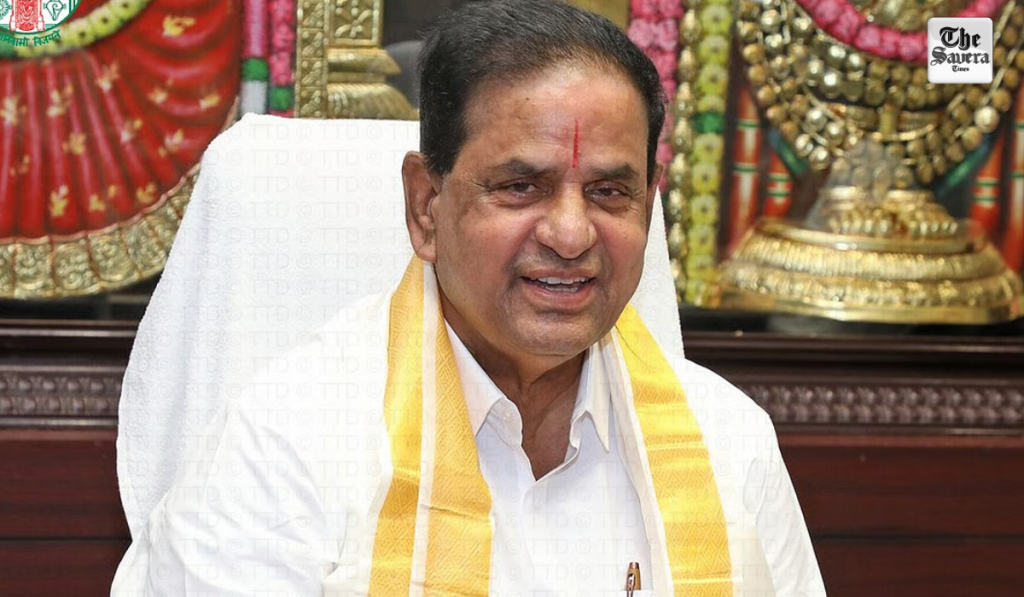
In 2025, newly appointed TTD Trust Board Chairman B.R. Naidu ordered a surveillance investigation after suspecting the quality of the shawls. The surveillance team collected samples and sent them for scientific testing. The results revealed a ten-year-old fraud. The report was presented to the TTD Board, which immediately:
Cancelled all ongoing contracts with the supplier.
The case was referred to the Andhra Pradesh Anti-Corruption Bureau (ACB) for criminal investigation.
How did this continue for 10 years?
This fraud remained hidden for a decade due to several systemic weaknesses:
The TTD has also been dogged by other controversies in recent years—such as substandard ghee in laddus and thefts in the hundi counting room—that have shaken public confidence in the temple administration.
What has the TTD done now?
The TTD has taken major corrective steps in this matter:
Impact on devotees and the temple
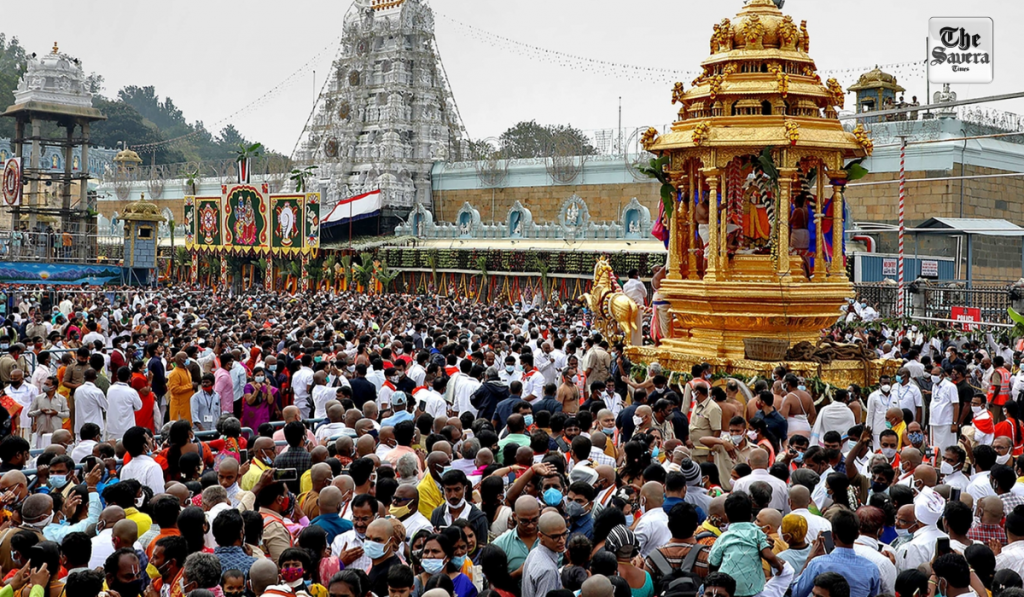
The loss of ₹54 crore comes directly from the offerings of devotees who fund the temple’s maintenance, food donations, education, hospital, and social services. Every financial scam impacts the temple’s charitable work, so transparency and oversight are crucial.
This Is Not the First Major Scandal at TTD
The silk shawl scam is the latest in a chain of controversies:
• 2024 – Ghee adulteration in Tirupati Laddus
Lab tests ordered by the Andhra Pradesh government revealed that animal fat and cheap oil had been mixed into the ghee. Four tankers of low-quality ghee were approved without testing. The matter was monitored by the Supreme Court as it hurt the sentiments of millions of people.
• 2023–24 – Parakamani (Hundi Counting) Theft
CCTV footage captured employees stealing cash during counting. More than ₹20 lakh was seized and several employees were arrested, leading to a restructuring of the entire system.
• 2022–24 – Irregularities in the purchase of ghee and milk
Suppliers were accused of mixing palm oil in ghee and diluting milk. Several contracts were cancelled following complaints from whistleblowers.
• 2021–22 – Jewelry Maintenance Scam
Contractors billed TTD for pure gold re-plating but used inferior chemicals. Gold particles worth crores of rupees went missing.
• 2019–present – Construction Material Scam
Vigilance teams detected the use of low-quality cement and steel in major TTD projects, resulting in huge losses.
• 2020–23 – Anna Prasadam Rice Scam
Inferior-quality rice and pulses were supplied but billed for premium quality.
Why This Matters
Every scandal leads to a loss of resources that should be dedicated to pilgrims and religious services.
With numerous investigations now underway—some by the Anti-Corruption Bureau (ACB), some through the CBI or the courts—
Devotees hope this ongoing clean-up will finally bring accountability and restore faith in one of India’s richest and holiest temples.
Imagine opening WhatsApp on your phone, but the SIM card linked to your account is not inside the...

Delhi’s air pollution is once again raising health concerns, with the Air Quality Index (AQI) entering the ‘poor’...

Ladakh is seeing two changes at once: a new district has been announced, and the Centre has proposed...

What if a decision taken in Washington could influence India’s oil bills, export earnings and trade relations with...

What happens when the world’s richest business leaders clash over one of the world’s biggest internet markets? A...

Pakistan is heading into its wheat-growing season with a serious water problem. The country is facing a projected...

Aries: The day will be auspicious...