Last Updated: October 24, 2026
Last Updated: October 24, 2026





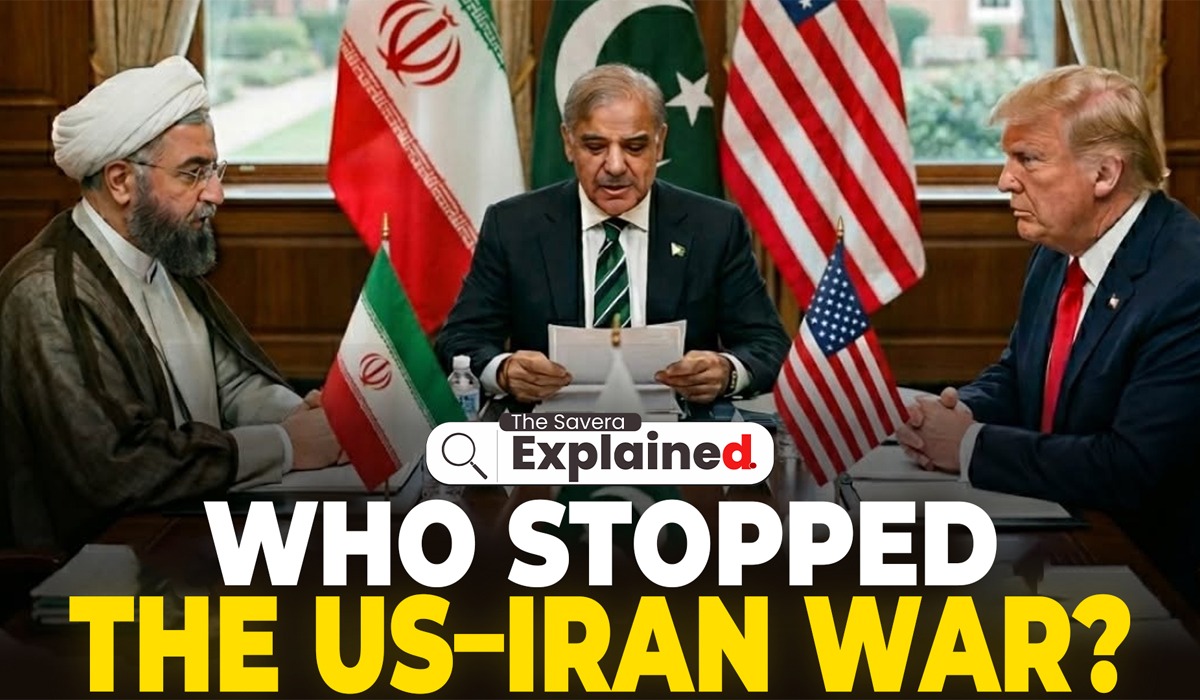
In a dramatic twist that caught the world off guard, the United States and Iran agreed to a two-week ceasefire on April 7, 2026.
U.S. President Donald Trump announced the halt late at night, just as his deadline for wider attacks on Iran loomed. Iran quickly accepted, calling it a “victory” and promising to reopen the Strait of Hormuz, the narrow sea passage vital for global oil shipping.
The ceasefire buys a temporary pause and sets the stage for talks in Islamabad, Pakistan, but the bigger question remains: who really brought the two adversaries to the table — Pakistan, China, or someone else?
The Spark That Ignited Five Weeks of War
The conflict began violently on February 28, 2026, when U.S. and Israeli forces launched nearly 900 airstrikes under Operation Epic Fury. Targets included Iran’s missile sites, air defenses, military bases, and key leaders. Supreme Leader Ali Khamenei was killed, along with other senior officials, while strikes near civilian areas added to the death toll.
Iran retaliated immediately with missiles and drones, striking across the region — even reaching Israeli territory and American bases in the Gulf. Most shipping through the Strait of Hormuz was blocked, sending oil prices skyrocketing and triggering a global economic scare.
Within five weeks, the war claimed thousands of lives and displaced millions.
A History of Hostility and Missed Talks
The U.S. and Iran share a long, complicated history. Before 1979, Iran under the Shah was a close American ally. The Islamic Revolution changed everything, seizing the U.S. embassy and taking 52 Americans hostage for 444 days. Since then, there have been no formal diplomatic ties. Tensions worsened over Iran’s nuclear ambitions, missile programs, and support for regional groups like Hezbollah.
While the 2015 JCPOA nuclear deal promised sanctions relief, the U.S. withdrew in 2018 under Trump, and repeated negotiations have failed since. Notably, Pakistan has historically served as Iran’s protecting power in Washington, maintaining discreet lines of communication.
Pakistan Steps into the Spotlight
During the 2026 war, Pakistan emerged as the main mediator. With strong ties to both Washington and Tehran and a shared border with Iran, Islamabad quietly shuttled proposals, coordinated drafts of the ceasefire plan, and made last-minute offers that helped prevent further escalation.
By early April, Pakistan had crafted a plan that could stop attacks immediately while creating room for broader peace talks. With trust from both sides, Pakistan hosted talks to finalize the agreement — proving its unique position as a neutral yet influential actor.
China’s Quiet Support
While Pakistan took the lead, China played a significant supporting role. On March 31, 2026, Beijing and Islamabad jointly unveiled a five-point peace plan, calling for an immediate ceasefire and reopening the Strait of Hormuz. China, a major buyer of Iranian oil, quietly encouraged Tehran to negotiate, adding pressure that complemented Pakistan’s mediation.
Even U.S. President Trump acknowledged that Chinese engagement helped bring Iran to the table.
China’s influence underscored its rising role in Middle East diplomacy: it stayed out of the fighting but leveraged economic and strategic relationships to reinforce Pakistan’s efforts.
The Ceasefire and What It Means
The two-week truce is not a permanent peace. It halts attacks while Iran reopens shipping lanes and allows both sides to prepare for longer-term negotiations in Islamabad. Israel has agreed to the pause, and global markets reacted positively, with oil prices dropping sharply.
The ceasefire provides breathing space, but the real test lies ahead. Iran’s 10-point plan for a permanent settlement will be debated, and the world will watch closely to see if diplomacy can replace conflict.
Who Really Made It Happen?
The answer is nuanced:
In short: Pakistan led, China reinforced, and the ceasefire emerged from skillful diplomacy rather than battlefield victory. This two-week pause shows that even in the shadow of war, trusted mediation and strategic alliances can open doors that bombs cannot.
Ladakh is seeing two changes at once: a new district has been announced, and the Centre has proposed...
What if a decision taken in Washington could influence India’s oil bills, export earnings and trade relations with...
What happens when the world’s richest business leaders clash over one of the world’s biggest internet markets? A...

Pakistan is heading into its wheat-growing season with a serious water problem. The country is facing a projected...
Imagine a foreign national standing among Indian citizens at a political protest, raising questions about the government or...

For thousands of Indian tech workers in the United States, a job offer is only the beginning of...
Aries: The day will be auspicious...