Last Updated: October 18, 2026
Last Updated: October 18, 2026





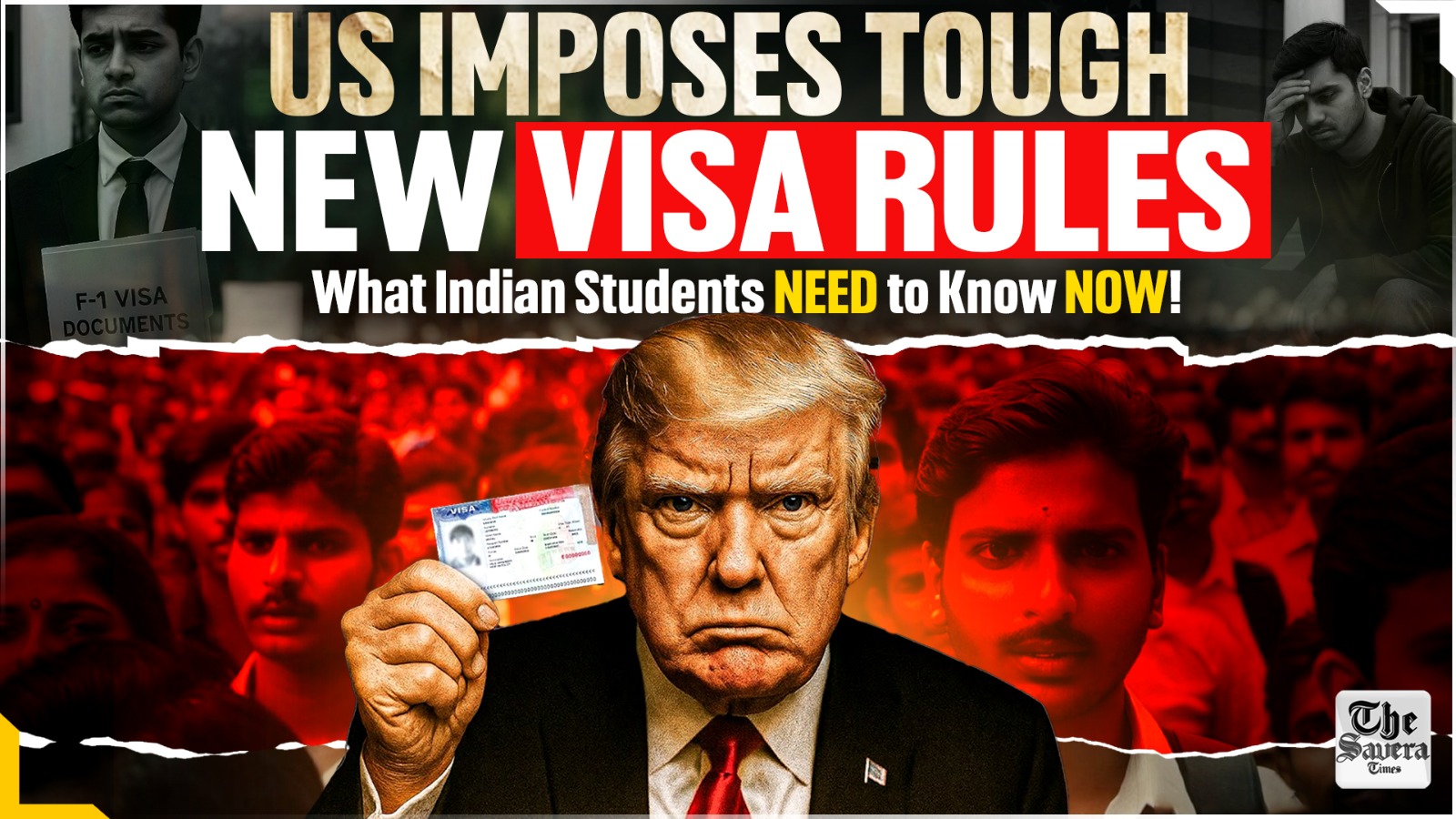
The United States has announced another major policy shift that could significantly reshape the journey of international students — especially Indians — aspiring to study in America.
The Department of Homeland Security (DHS), under the Trump administration, has proposed a new set of restrictions for F-1 visas. These rules, if enforced, will make it harder for students, exchange visitors, and even foreign journalists to live, study, and work in the U.S.
For Indian students, who form one of the largest international student communities in American universities, the impact could be immediate and severe. From losing the flexibility to change courses to facing tighter deadlines for completing degrees, these new rules could alter the entire academic experience.
The changes touch nearly every stage of a student’s academic life.
For decades, international students have relied on the “duration of status” system. This rule allowed them to stay in the U.S. as long as they maintained full-time enrollment — whether that meant three years for a bachelor’s, five years for a Ph.D., or more if they took up research or internships.
Now, DHS wants to replace this flexibility with a fixed four-year admission period for F-1 and J-1 visa holders. After that, students will need to apply for an Extension of Stay (EOS) directly with DHS.
For those in longer programmes, such as Ph.D.s or combined master’s-doctoral tracks, this creates uncertainty. Will DHS approve their extensions? Will delays affect graduation timelines? These are questions students are now forced to consider.
The Trump administration has framed the rule as a crackdown on “visa abuse.” DHS argues that the old system allowed some students to remain in the U.S. indefinitely, making oversight difficult.
“For too long, past administrations have allowed foreign students and other visa holders to remain in the U.S. virtually indefinitely, posing safety risks, costing untold amounts of taxpayer dollars, and adversely affecting U.S. citizens. This new rule ends that abuse once and for all,” a DHS spokesperson said.
In effect, the government wants tighter control over who stays, for how long, and under what conditions.
The implications are wide-ranging:
This proposal adds to a series of immigration-related moves under the Trump administration, including changes to H-1B work visas and heightened scrutiny of foreign media. For many aspiring Indian students, the U.S. is beginning to look less welcoming.
Experts warn that countries like Canada, the UK, and Australia — which already compete aggressively for Indian talent — could benefit as students rethink their options.
Universities in the U.S. are also worried. They depend heavily on international enrolments, both for financial reasons and to maintain their global reputation. Several institutions and student advocacy groups are expected to challenge the rule.
The DHS proposal is expected to take effect by late September or October unless stalled by lawsuits or administrative delays. Until then, students preparing to travel to U.S. campuses this fall are in limbo.
For Indian students, the new reality is stark: less flexibility, shorter stays, more paperwork. In the words of one education consultant in Delhi, “The American dream hasn’t ended, but it just became much harder to chase.”
What if a decision taken in Washington could influence India’s oil bills, export earnings and trade relations with...

What happens when the world’s richest business leaders clash over one of the world’s biggest internet markets? A...

Pakistan is heading into its wheat-growing season with a serious water problem. The country is facing a projected...
Imagine a foreign national standing among Indian citizens at a political protest, raising questions about the government or...

For thousands of Indian tech workers in the United States, a job offer is only the beginning of...

Three years ago, on October 7, 2023, Israel woke up to one of the deadliest attacks in its...