Last Updated: October 18, 2026
Last Updated: October 18, 2026





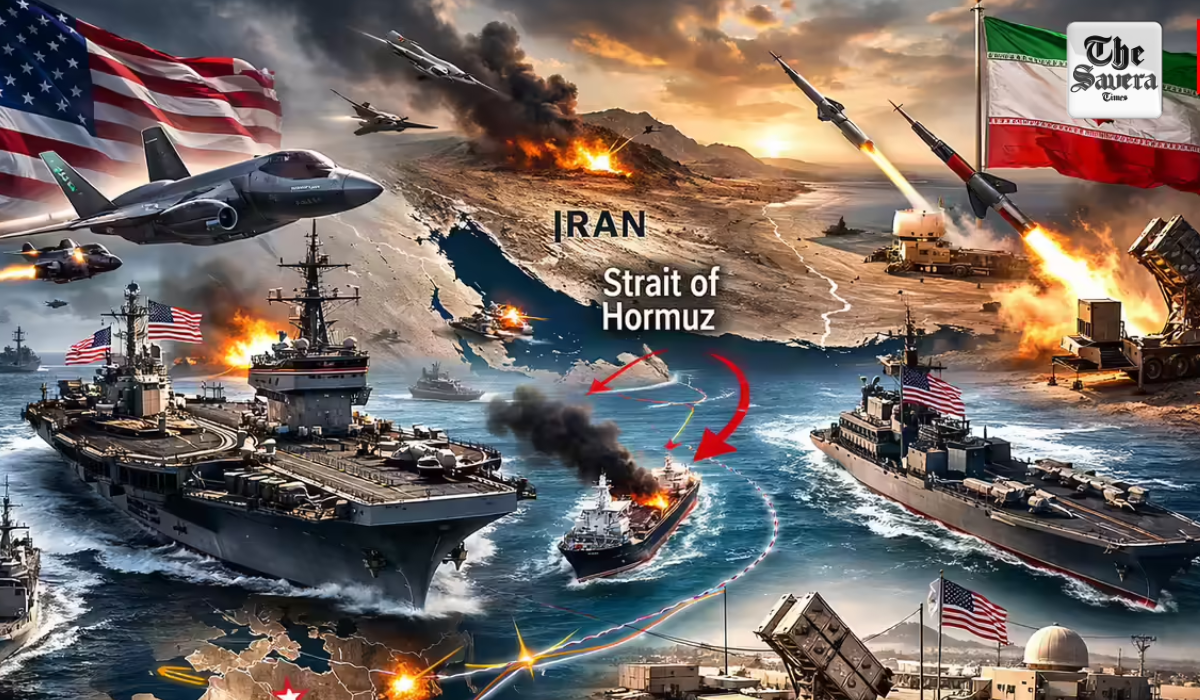
The world is watching a major military buildup in the Middle East, and events across the region are now closely connected.
The United States, backed by powerful allies, is positioning forces in and around West Asia. Iran, a key regional power, faces the threat of possible strikes.
Yet despite being outgunned, Tehran has multiple capabilities that could allow it to strike back.
What happens next will shape not just regional stability, but global security and energy markets as well.
Why the Tension Now
Recent regional tensions have stretched across West Asia. The US has moved more military assets into the region — including additional troops, warships, and bases in Gulf countries — as a show of force. This buildup raises the possibility of direct confrontation with Iran.
Iran, meanwhile, has been targeted previously by powerful nations. During last year’s conflict involving Israel, Iran’s longer-range missile sites, some military leadership, and its nuclear infrastructure were heavily struck.
These events weakened Iran’s conventional military power. Still, Tehran remains a formidable player in certain areas.
US Military Advantage
The United States has the strongest military in the world, with advanced aircraft, aircraft carriers, missile defence systems, satellite surveillance, and precision weapons. If a major conflict erupts, US forces could target:
The US can strike from land, air, and sea, giving it flexibility in any confrontation. This explains why Western governments warn Iran faces a serious threat.
Iran’s Strategic Position
Iran does not have the same global military reach as the US, but it has developed significant regional capabilities over decades. It has:
Even after heavy strikes, Iran still possesses hundreds of missiles. Some can reach Israel; many more can hit US military bases in Gulf countries like Qatar, Saudi Arabia, and the UAE.
Iran’s Missile Arsenal — What It Means
Iran’s longer-range missiles can hit distant targets such as Israel. Although some were damaged, many remain usable. Its shorter-range missiles pose a direct threat to American bases and ships at sea. These are harder to eliminate because they are mobile and spread out.
Iran has already shown it can strike US positions. In 2020, it fired missiles at a US base in Iraq after a top general was killed. Last year, missiles hit a US base in Qatar. These caused damage but few casualties due to early warning systems.
One of Iran’s strongest pressure points is geography. The Strait of Hormuz is a narrow waterway through which about one-fifth of the world’s traded oil passes. Even limited disruption can spike oil prices and shake global markets. While closing it fully is difficult, Iran can threaten shipping and raise insurance costs, creating worldwide economic impact.
Iran’s Proxy Network
Iran supports allied armed groups across the region, including Houthis in Yemen, Hezbollah in Lebanon, and militia groups in Iraq. These forces allow Iran to apply pressure on US allies without directly fighting American troops, raising the risk of wider regional conflict.
Iran’s leadership remains under pressure but has plans for continuity. If top figures are targeted, power could shift to a small group rather than collapse entirely. US partners like Saudi Arabia, the UAE, Qatar, and Jordan host American troops but do not want a regional war. Quiet diplomatic efforts are ongoing to prevent open conflict.
The United States holds overwhelming military power. Yet Iran has tools that can still cause serious damage — through missiles, regional allies, and control over vital waterways. Any clash could quickly expand into a broader regional crisis with global consequences.
What if a decision taken in Washington could influence India’s oil bills, export earnings and trade relations with...
What happens when the world’s richest business leaders clash over one of the world’s biggest internet markets? A...

Pakistan is heading into its wheat-growing season with a serious water problem. The country is facing a projected...
Imagine a foreign national standing among Indian citizens at a political protest, raising questions about the government or...

For thousands of Indian tech workers in the United States, a job offer is only the beginning of...

Three years ago, on October 7, 2023, Israel woke up to one of the deadliest attacks in its...