Last Updated: October 18, 2026
Last Updated: October 18, 2026





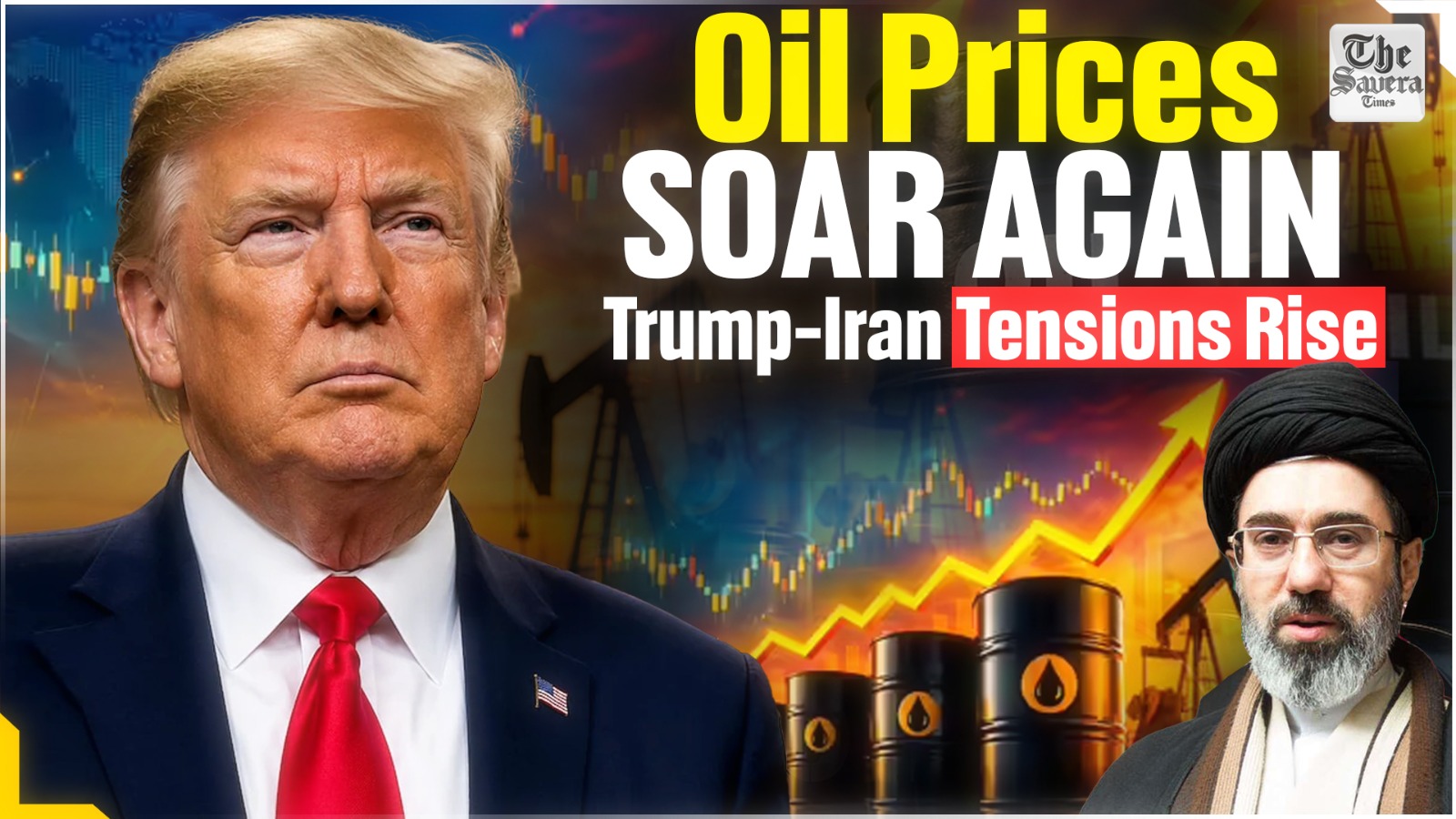
Imagine waking up tomorrow to find petrol prices rising, flight tickets becoming more expensive, and stock markets falling across the globe. It may seem like a conflict happening far away, but developments in the Middle East can directly affect the global economy—and eventually, your daily life.
Just when tensions appeared to be easing, they have flared up once again. Fresh U.S. military strikes on Iran, followed by U.S. President Donald Trump’s statement that the ceasefire is “over,” have sparked fresh concerns of a wider conflict. Within hours, oil prices surged, stock markets turned volatile, and investors rushed to safer assets.
So, what exactly is happening, and why is the world so concerned?
What Triggered the Latest Crisis?
The latest escalation began after the United States carried out military strikes on Iran following attacks on commercial ships passing through the Strait of Hormuz. Washington blamed Iran for the attacks, although Tehran has not officially accepted responsibility.
Soon after, President Trump declared that the ceasefire was over and dismissed the possibility of further negotiations. The U.S. also ended a temporary waiver that had allowed Iran to continue exporting oil, increasing pressure on Tehran and raising fears that the conflict could escalate further.
Why Are Oil Prices Rising?
Oil prices react quickly whenever there is uncertainty about global supplies.
Following the latest developments, Brent crude climbed above 76 dollars a barrel and later touched around 78 dollars, while U.S. benchmark WTI crude rose nearly 6 percent.
The reason is simple. If investors believe that conflict could disrupt oil production or transportation, they expect supplies to tighten. Even the possibility of shortages is enough to push prices higher.
Why Is the Strait of Hormuz So Important?
A major reason behind the market reaction is the Strait of Hormuz.
This narrow waterway connects the Persian Gulf with the Arabian Sea and carries millions of barrels of crude oil every day. Major producers such as Saudi Arabia, Iraq, the UAE, Kuwait, and Iran rely on this route to export oil.
If shipping through the Strait is disrupted, global oil supplies could be affected almost immediately. That is why every military development in the region is closely watched by governments and financial markets.
How Are Global Markets Reacting?
Rising oil prices increase transportation and manufacturing costs, creating uncertainty for businesses and investors.
As a result, stock markets across Asia, Europe, and the United States have witnessed sharp swings. Many investors have shifted their money into safer assets, while energy companies have benefited from higher crude prices.
Markets are now closely tracking every new development in the Middle East, as any escalation could further impact global trade and economic growth.
How Could This Affect India?
For countries like India, the situation is particularly important because the country imports most of its crude oil.
If international oil prices remain high, petrol and diesel prices could increase. Higher fuel costs can also raise transportation expenses, making everyday goods, food, and other essentials more expensive.
Persistent inflation could also make it harder for the Reserve Bank of India and other central banks to reduce interest rates, potentially slowing economic growth.
What Happens Next?
Experts say everything now depends on two key factors—whether the conflict between the U.S. and Iran escalates further, and whether the Strait of Hormuz remains open for commercial shipping.
If diplomacy resumes and oil supplies remain uninterrupted, prices could stabilise. However, if attacks continue or shipping is disrupted, oil prices could stay elevated for weeks or even months.
The Bottom Line
The latest rise in oil prices is about much more than a military strike. It reflects growing fears that tensions between the United States and Iran could threaten one of the world’s most important oil supply routes.
With President Trump declaring that the ceasefire is over and uncertainty surrounding the Strait of Hormuz continuing, global markets remain on edge.
For now, governments, investors, and consumers will be watching every development closely. Because in today’s interconnected world, events unfolding in the Middle East can influence fuel prices, inflation, stock markets, and the cost of living across the globe.
What if a decision taken in Washington could influence India’s oil bills, export earnings and trade relations with...
What happens when the world’s richest business leaders clash over one of the world’s biggest internet markets? A...

Pakistan is heading into its wheat-growing season with a serious water problem. The country is facing a projected...
Imagine a foreign national standing among Indian citizens at a political protest, raising questions about the government or...

For thousands of Indian tech workers in the United States, a job offer is only the beginning of...

Three years ago, on October 7, 2023, Israel woke up to one of the deadliest attacks in its...