Last Updated: October 21, 2026
Last Updated: October 21, 2026






A deadly virus once thought to be under control has returned—quietly, dangerously, and without warning. In West Bengal, two nurses are fighting for their lives after testing positive for the Nipah virus, a pathogen known for its high fatality rate and sudden outbreaks. Nearly two decades after Nipah last surfaced in the state, its reappearance has set off alarm bells across India’s public health system.
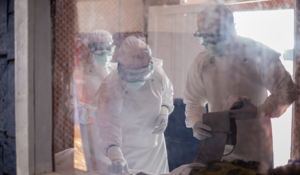
Confirmed by the National Institute of Virology in Pune, the cases involve healthcare workers from a private hospital in Barasat, North 24 Parganas. One nurse is currently in a coma, the other on ventilator support. With over 120 contacts traced and several people quarantined, authorities are racing against time to prevent further spread.
Why This Outbreak Matters
This is West Bengal’s first reported Nipah cluster in almost 19 years. The state last faced the virus in 2007, following an earlier and deadlier outbreak in Siliguri in 2001 that claimed dozens of lives—many of them healthcare workers. The current cluster raises urgent questions: How did the virus return? And could it spread further?
Health officials are investigating multiple possible sources, including contaminated date palm sap from Nadia district and exposure to an elderly patient who may have been the index case. The situation mirrors past outbreaks where early symptoms went unnoticed, allowing the virus to move silently through close contacts.
Nipah in India: A Troubling Pattern
Nipah is not new to India. After the West Bengal outbreaks of 2001 and 2007, the virus resurfaced with devastating impact in Kerala.
Beyond West Bengal and Kerala, states such as Tamil Nadu, Karnataka, Maharashtra, and Assam have strengthened surveillance due to proximity, travel links, and bat populations. Eastern India, particularly West Bengal and parts of Odisha, remains vulnerable because of dense human settlements overlapping with bat habitats.
How Nipah Spreads: From Forests to Hospital Wards
Nipah is a zoonotic virus carried by fruit bats of the Pteropus species. These bats show no symptoms but shed the virus through saliva and urine. Humans become infected by:
Human-to-human transmission is especially dangerous in hospital settings. During the Siliguri outbreak of 2001, nearly 75% of cases involved healthcare workers—an unsettling echo in today’s West Bengal cases.
Symptoms That Deceive
Nipah often begins like a common viral illness. Fever, headache, muscle pain, vomiting, and sore throat appear after an incubation period of 4 to 14 days. But the disease can escalate rapidly into:
Fatality rates range between 40% and 75%, depending on how quickly care is accessed. Even survivors may face long-term neurological problems.
No Cure Yet, But Hope on the Horizon
There is currently no approved vaccine or antiviral treatment for Nipah. Patients receive supportive care in isolation—oxygen, fluids, and management of complications.
However, hope is emerging. In December 2025, Oxford University’s ChAdOx1 NipahB vaccine entered Phase II trials after showing safety in earlier testing. Monoclonal antibody therapies are also expected to begin trials in 2026. Until these options become available, prevention remains the strongest weapon.
What Experts Emphasize
Public health experts stress that early detection can save lives. Kerala’s recent successes show that rapid isolation, aggressive contact tracing, and community awareness work. The World Health Organization continues to push a One Health approach, tracking the virus across animals, humans, and the environment—especially in bat-dense regions spanning eastern and southern India.
How to Stay Safe
Simple precautions can break the chain of transmission:
Punjabi University is proud to have four of its scientists recognized among the nation’s 15 best scientists. The...

Ladakh is seeing two changes at once: a new district has been announced, and the Centre has proposed...

Nairobi: Kenya’s Ministry of Health on Saturday confirmed four new cases of Ebola Bundibugyo virus disease, bringing the...
What if a decision taken in Washington could influence India’s oil bills, export earnings and trade relations with...

What happens when the world’s richest business leaders clash over one of the world’s biggest internet markets? A...

Two oxygen-producing compounds, including one that boosts performance in some laundry detergents, might one day play a key...

Aries: The day will be auspicious...