Last Updated: October 21, 2026
Last Updated: October 21, 2026





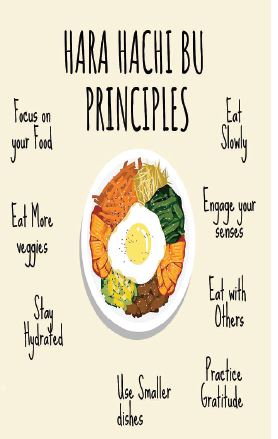
Some of the world’s longest-living communities share a common practice known as hara hachi bu. This principle, rooted in a Japanese Confucian teaching, encourages people to eat only until they are about 80 per cent full. Rather than being a diet or a form of strict calorie restriction, hara hachi bu is an approach to eating that promotes moderation, awareness and gratitude. The core idea is to stop eating before reaching the point of fullness, allowing the body time to recognise satiety and preventing overeating.
The practice is often associated with the residents of Okinawa, a region in Japan known for having one of the highest life expectancies in the world. While the dietary habits of these communities vary, their shared commitment to mindful and moderate eating has attracted attention from nutrition researchers and health professionals around the globe. The philosophy encourages people to slow down during meals, notice hunger and fullness cues, and appreciate the food they consume.
Research specifically examining hara hachi bu is limited. Most studies look at the broader dietary patterns of communities that practise it rather than evaluating the 80 per cent concept by itself. However, the available evidence suggests that this approach can lower daily calorie intake, reduce the risk of long-term weight gain and maintain or improve average body mass index (BMI). One study found that men who adopted this approach tended to choose more vegetables and fewer grains at meals, indicating a shift toward more nutrient-dense food choices.
Hara hachi bu aligns closely with mindful eating and intuitive eating philosophies. These approaches encourage individuals to tune into internal hunger and satiety signals rather than eating in response to external cues such as time of day, emotional stress or the presence of appealing food. Research shows that mindfulness-based eating practices can reduce emotional eating, improve diet quality and help people form healthier relationships with food over time.
Beyond weight management, the potential benefits of hara hachi bu extend to long-term health and wellbeing. Many people who follow strict diets find them difficult to maintain, leading to cycles of weight loss and regain. In contrast, hara hachi bu is based on gentle adjustment and awareness, making it easier to sustain. By helping individuals learn to stop eating before they feel full, it supports gradual and lasting behavioural change rather than rapid and short-lived results.
The practice also has particular relevance in modern life. Studies show that around 70 per cent of adults and children use digital devices while eating. Eating while distracted has been linked to higher calorie intake, lower consumption of fruits and vegetables and a greater likelihood of disordered eating behaviours including binge eating and overeating. Many people fixate on food choices or dieting but rarely take time to truly taste or appreciate what they eat. As a result, food becomes a source of stress rather than nourishment.
Hara hachi bu can help shift this mindset. By paying closer attention to the act of eating, people may rediscover enjoyment in meals, support better digestion and make more balanced food decisions. It invites individuals to sit with their meal, notice flavours and textures, and recognise when their body has had enough.
Those interested in trying hara hachi bu can begin with small steps. Eating meals more slowly allows time for the body to register fullness. Removing distractions such as phones or televisions can support greater awareness. Pausing occasionally during the meal to assess hunger can help determine whether more food is genuinely needed. These practices foster a calmer and more thoughtful relationship with food, which is at the heart of hara hachi bu.
Protests in Jakarta, Yogyakarta and Bandung brought students onto the streets over rising costs, forest fires and civil...

Organisations linked to Neville Roy Singham are under US congressional scrutiny over funding. Their coverage of protests in...

US President Donald Trump says Washington and New Delhi are close to a trade agreement that will differ...

Iran has ruled out transferring its enriched uranium stockpile outside the country, with security official Mohsen Rezaei reiterating...

Donald Trump has urged Volodymyr Zelensky to pursue a peace deal with Russia, warning that Ukraine could face...

Pakistan, battling insurgencies at home and tensions along multiple borders, is too overstretched to offer meaningful military support...

Aries: The day will be auspicious...