US President Donald Trump has warned American technology companies against building AI data centres overseas, threatening a hefty tax and stressing the need to keep strategic infrastructure within the United States.
If China claims that Tibet is part of China, then it must allow Tibetans to have meaningful control over their culture, religion, language, education and local governance. A report has detailed while stressing that Beijing has consciously, consistently and deliberately refused to grant genuine autonomy to Tibet. The problem is that this vision rests on.
For Kazakhstan and other Central Asian economies seeking affordable capital to fund infrastructure, industrial expansion and trade, Chinese financing has become an increasingly appealing option, yet behind these favourable terms lies a broader strategic picture that extends far beyond simple economics. China’s outreach to Central Asia has accelerated in recent years through a combination of.
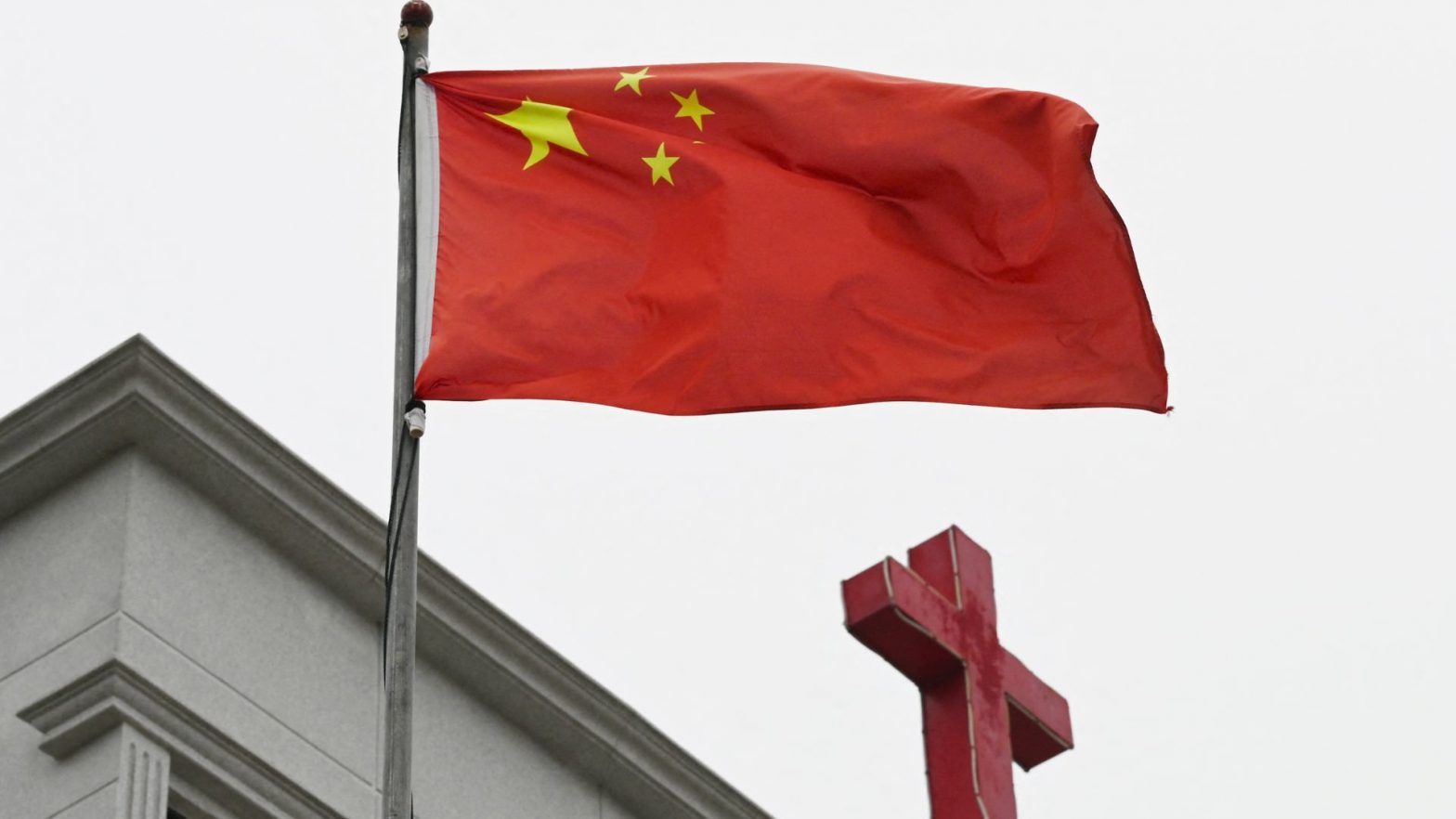
The restrictions on religious practices for Catholics in China are extending beyond churches and clergy, affecting routine expressions of faith, including access to prayer books, participation in religious pilgrimages, rosary broadcasts and funeral services.
China's leadership has correctly identified weak domestic consumption as one of the country's biggest economic challenges but remains committed to an investment- and export-led growth strategy.
Increasing presence of China in policing and security sectors of Africa highlights convergence of organised crime, authoritarian governance and geopolitical influence.
There is much to fear from artificial intelligence (AI) developed by Chinese companies such as DeepSeek and Xiaomi China and handed to businesses and governments in the West almost free of charge.
The Prairie Talent Girls’ School in Qinghai, founded in 2005 to educate girls from nomadic Tibetan communities, closed on August 27, 2026, prompting former students to mourn the loss of the institution.
As the United States and China intensify their competition for leadership in artificial intelligence (AI), a new study has found that China is struggling to attract foreign researchers even as it ramps up recruitment efforts through special visas, research grants and other incentives. A study, conducted by the Carnegie Endowment for International Peace showed that.