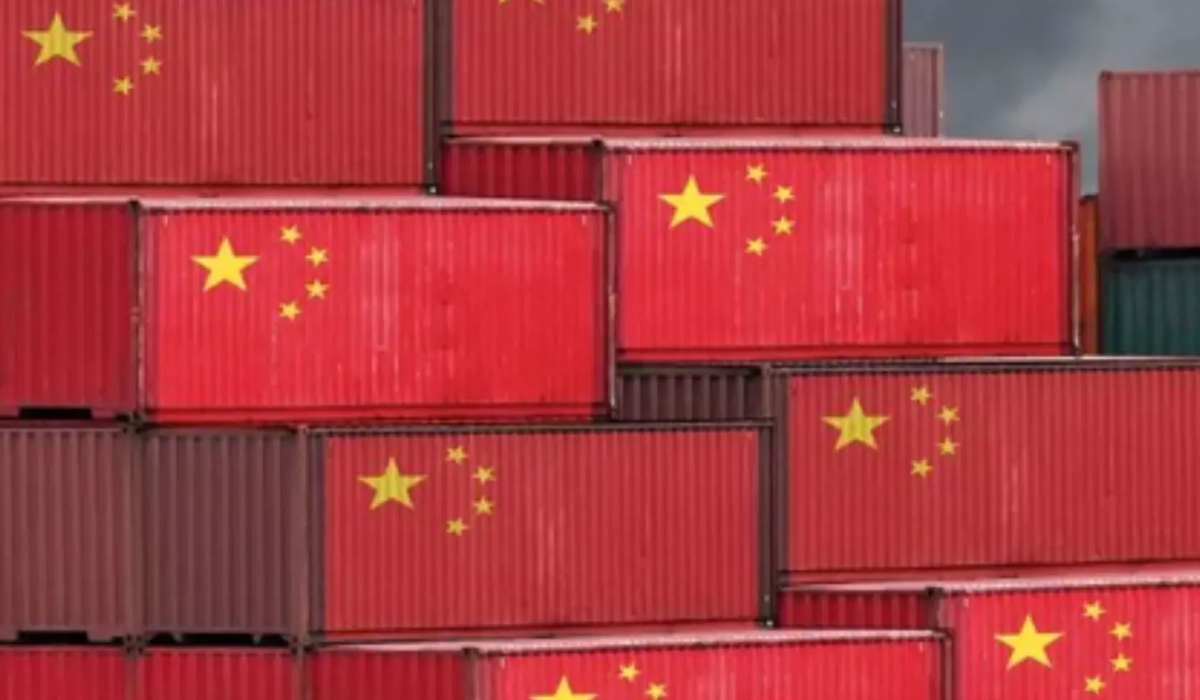
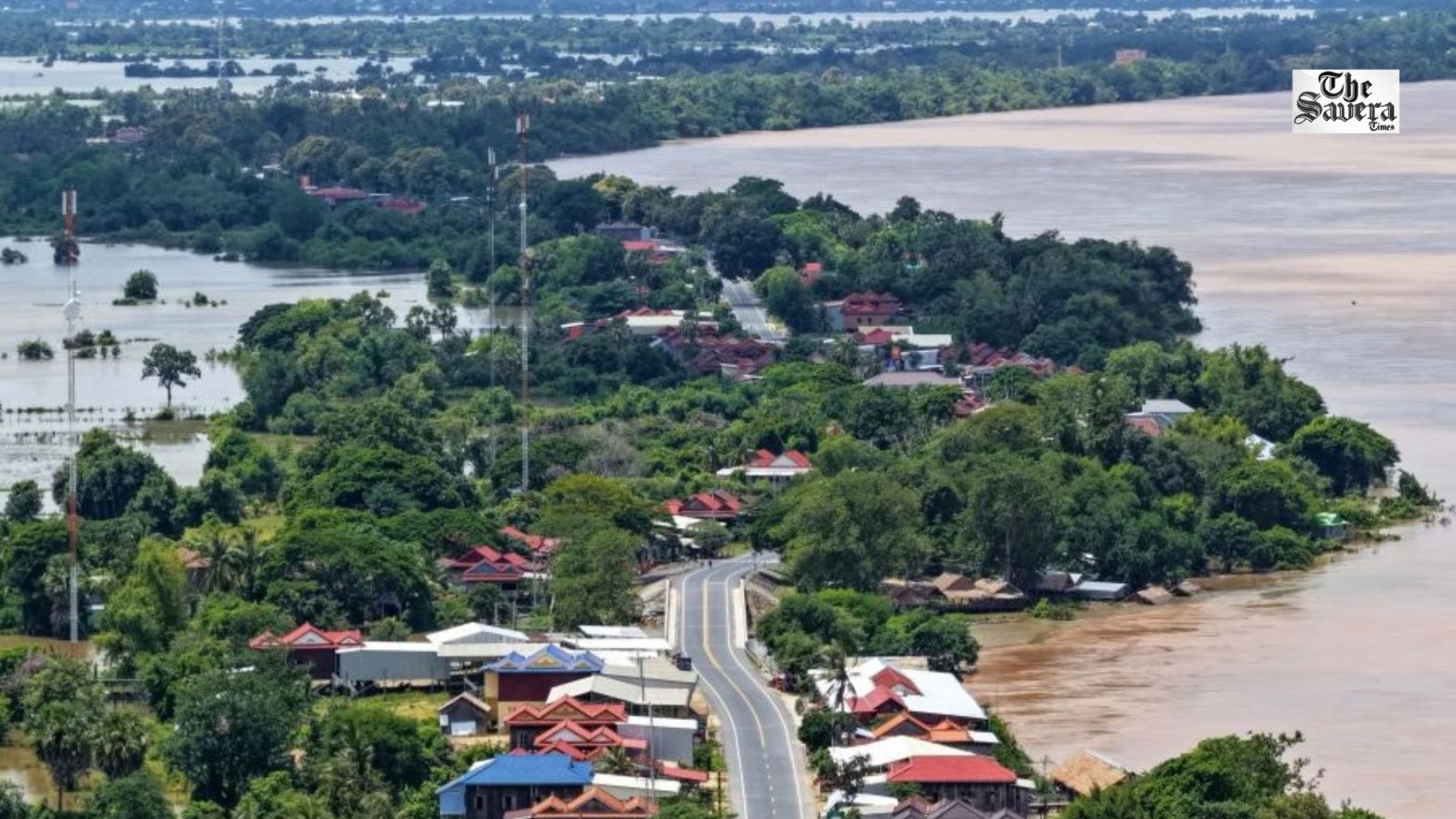
While China may not be the largest provider of development finance to the Pacific island nations, it has positioned itself as the region’s integral development partner, which has helped it to increase its influence in the region.
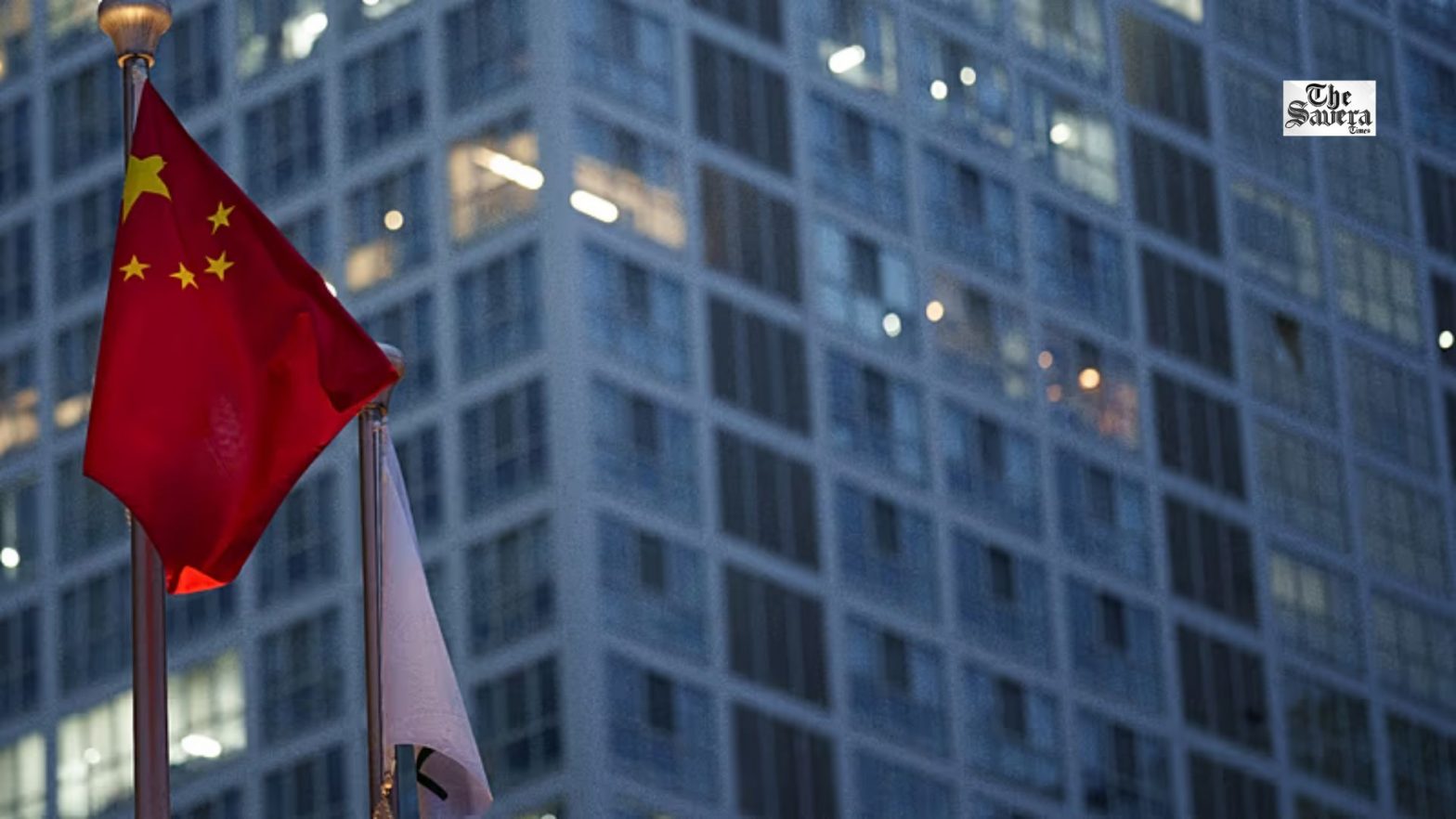
Hong Kong is facing growing concerns over civil liberties and political freedoms, while the changing environment is also raising questions about its economic future.
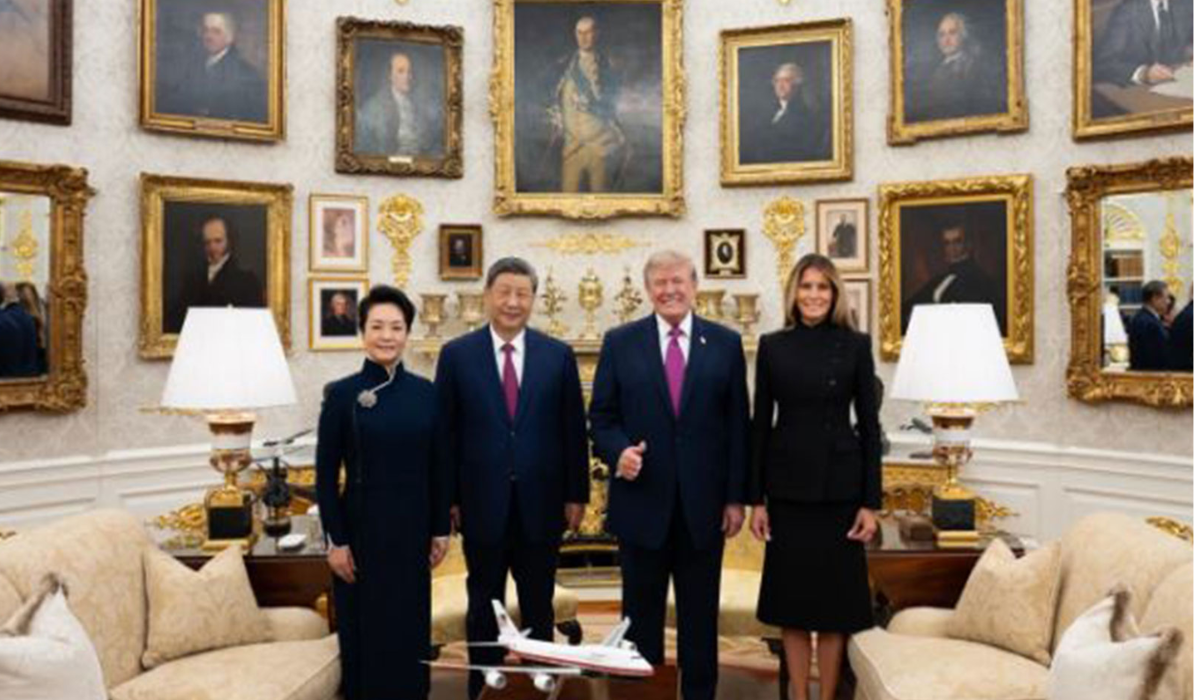
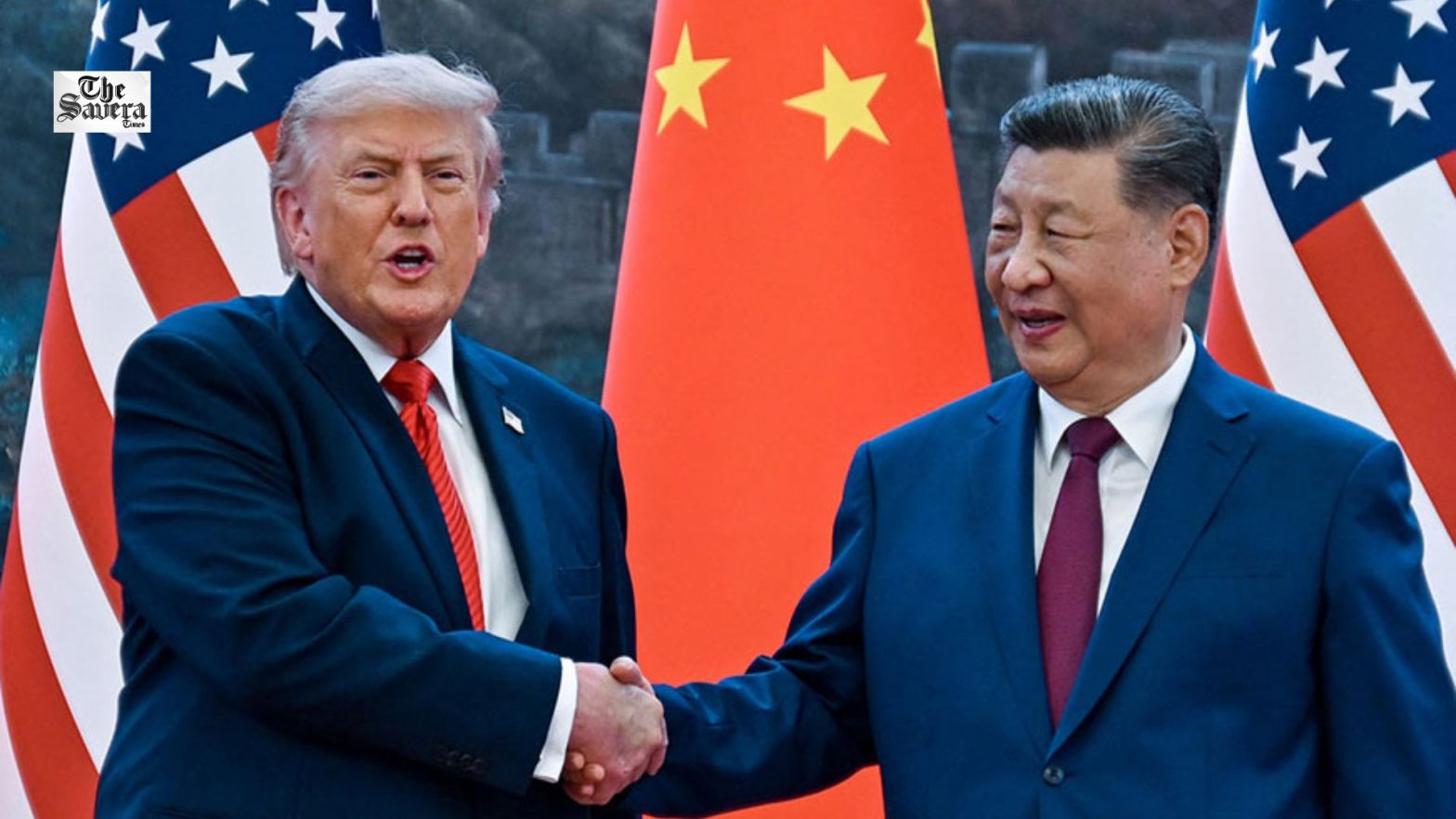
The United States and China agreed on more favourable tariff treatment for USD 30 billion of non-sensitive goods in each direction and established a new dialogue on emerging technologies during Chinese President Xi Jinping's three-day summit with US President Donald Trump, according to a White House fact sheet.
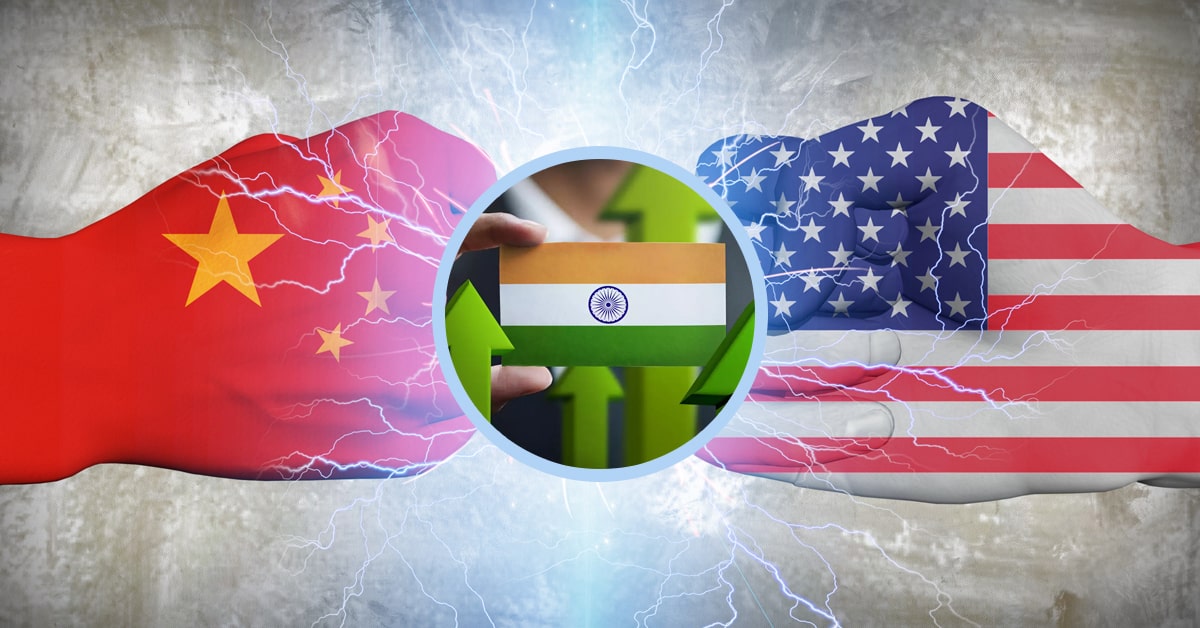
America is considered the biggest power in the world, after that China is known as the second superpower. Chinese President Xi Jinping is on a US visit.
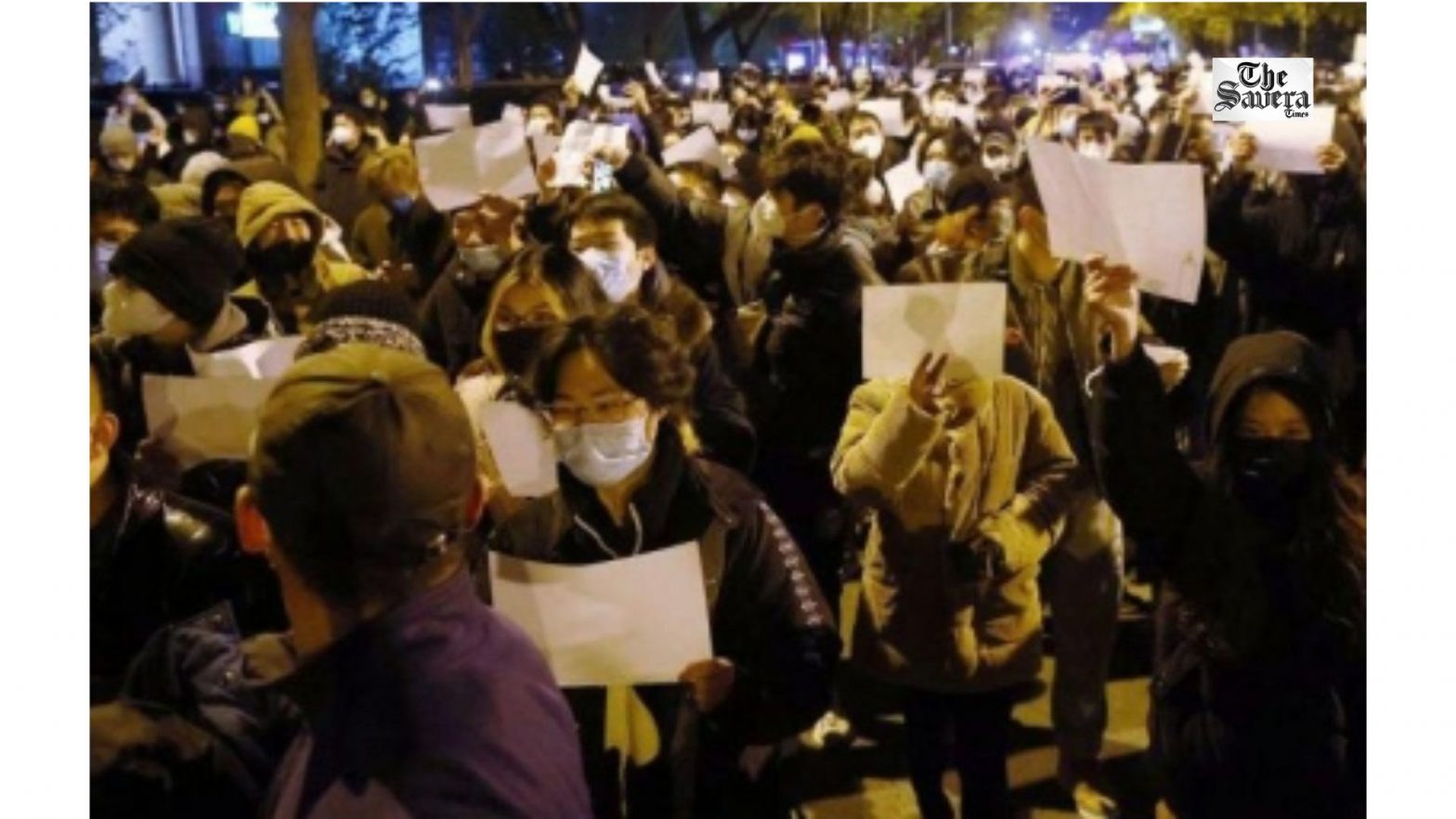
Washington: Anti-Xi protesters gathered outside the White House gates on Thursday, chanting for a free Tibet and Hong Kong as Chinese President Xi Jinping continued his high-profile visit to Washington. The demonstrators could be heard from the North Portico, where members of the White House press pool were waiting. Protesters chanted slogans including “Free Hong.
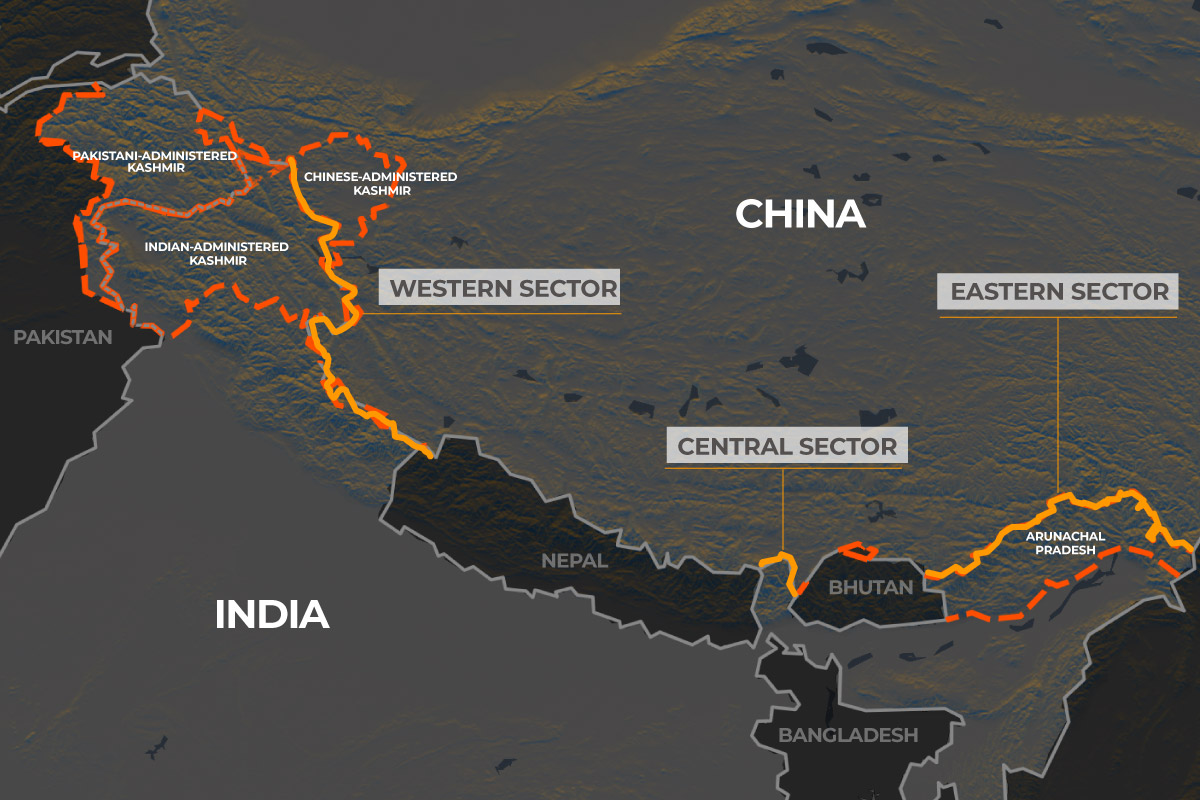
The special representative (SRs) mechanism to resolve Indo-China border dispute was instituted during then Prime Minister Atal Behari Vajpayee’s visit to Beijing in 2003. The first round of talks took place in Oct 2003. It is 23 years and twenty-five rounds of talks. Result nothing concrete and substantiative on dispute resolution except crisis management to.
China is Iran’s most important economic partner, but Beijing has shown limited interest in linking its broader Middle East strategy closely with Tehran. The relationship between the two countries remains significant, particularly in trade and energy, but recent diplomatic interactions suggest that China is maintaining a cautious distance from Iran. During the BRICS+ summit.
Chinese made connected devices from port cranes to buses sold to Western countries pose growing security risks to them if left unchecked through a common methodology to assess risks.
China has become a dominant supplier of digital hardware across Southeast Asia, but the recipient regional governments are largely writing their own rules for cybersecurity and artificial intelligence rather than adopting Beijing’s governance model.