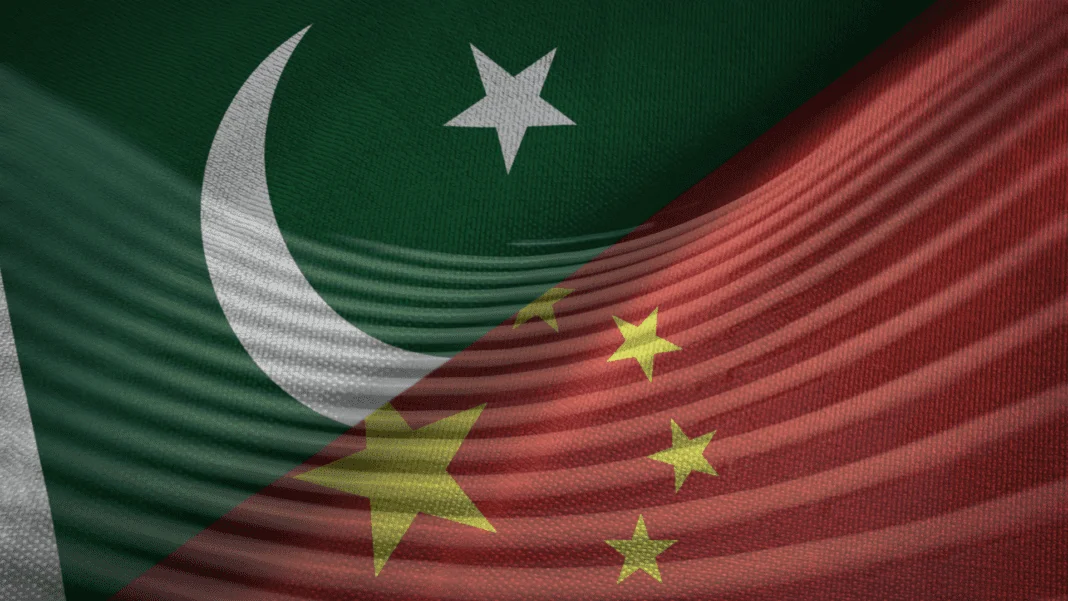
The conflict involving Iran exposed the reality of China being one of the principal enablers of Pakistan and Iran, two of Israel’s most consequential adversaries. Unlike the United States or Russia, China has built its influence without alliances or expeditionary deployments, relying instead on arms transfers, dual-use technology, industrial cooperation, economic investment and diplomatic cover..
China’s expanding role in Kyrgyzstan has fuelled concerns over jobs, land, natural resources, and national sovereignty, with many ordinary Kyrgyz citizens saying that the country’s leaders are ignoring the national interest. Chinese firms are involved in many of the country’s largest infrastructure, mining, and energy projects, some involving leases of state land for up.
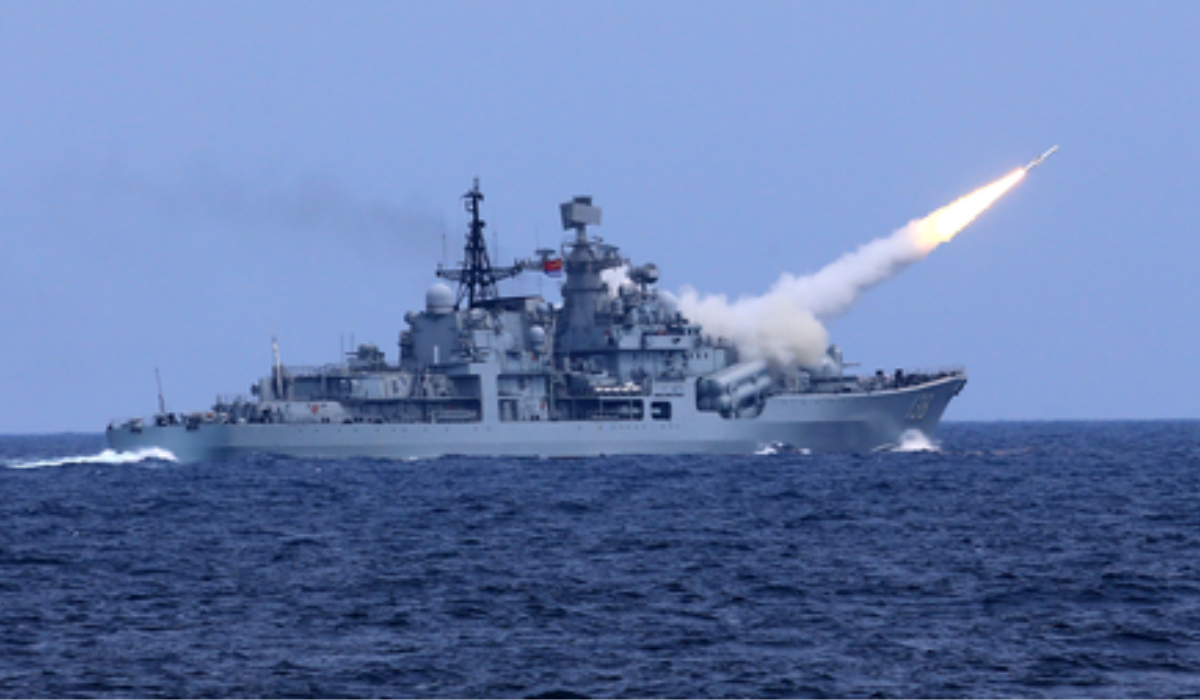
China considers Iran as a second-tier partner while Pakistan continues to occupy a first-tier position. That asymmetry was showcased during the recent conflict in West Asia as China did not send a single warship, missile battery or a soldier after the Israeli and American strikes killed Iran’s then-Supreme leader Ayatollah Ali Khamenei and other senior.
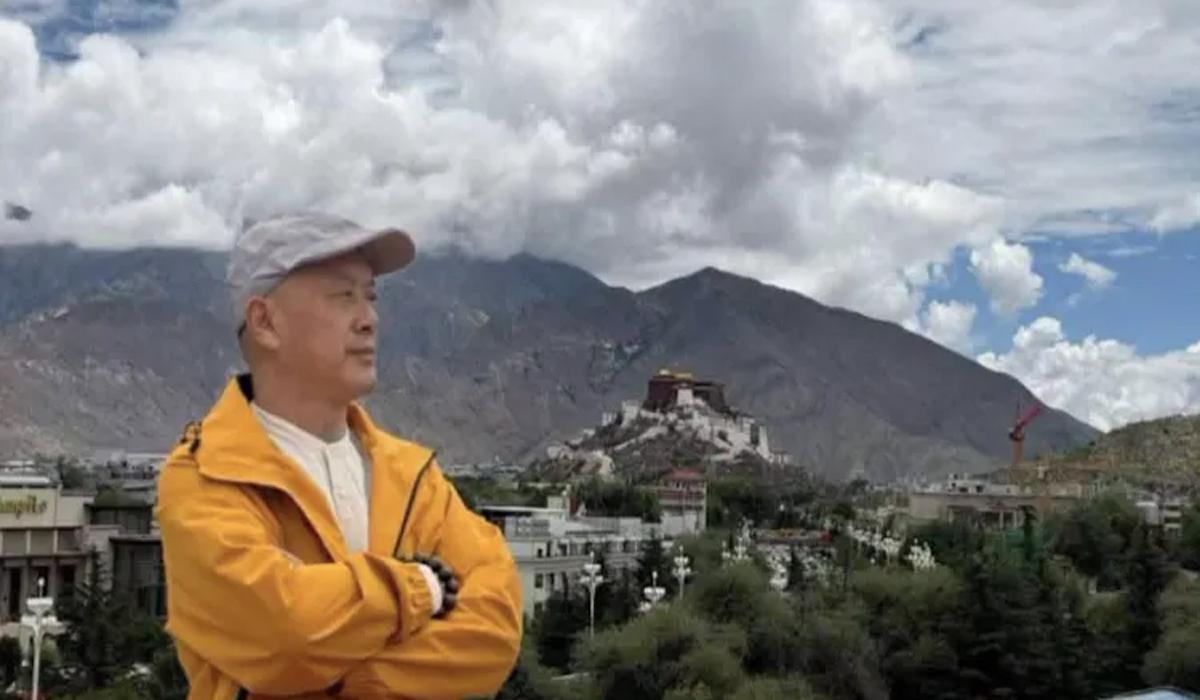
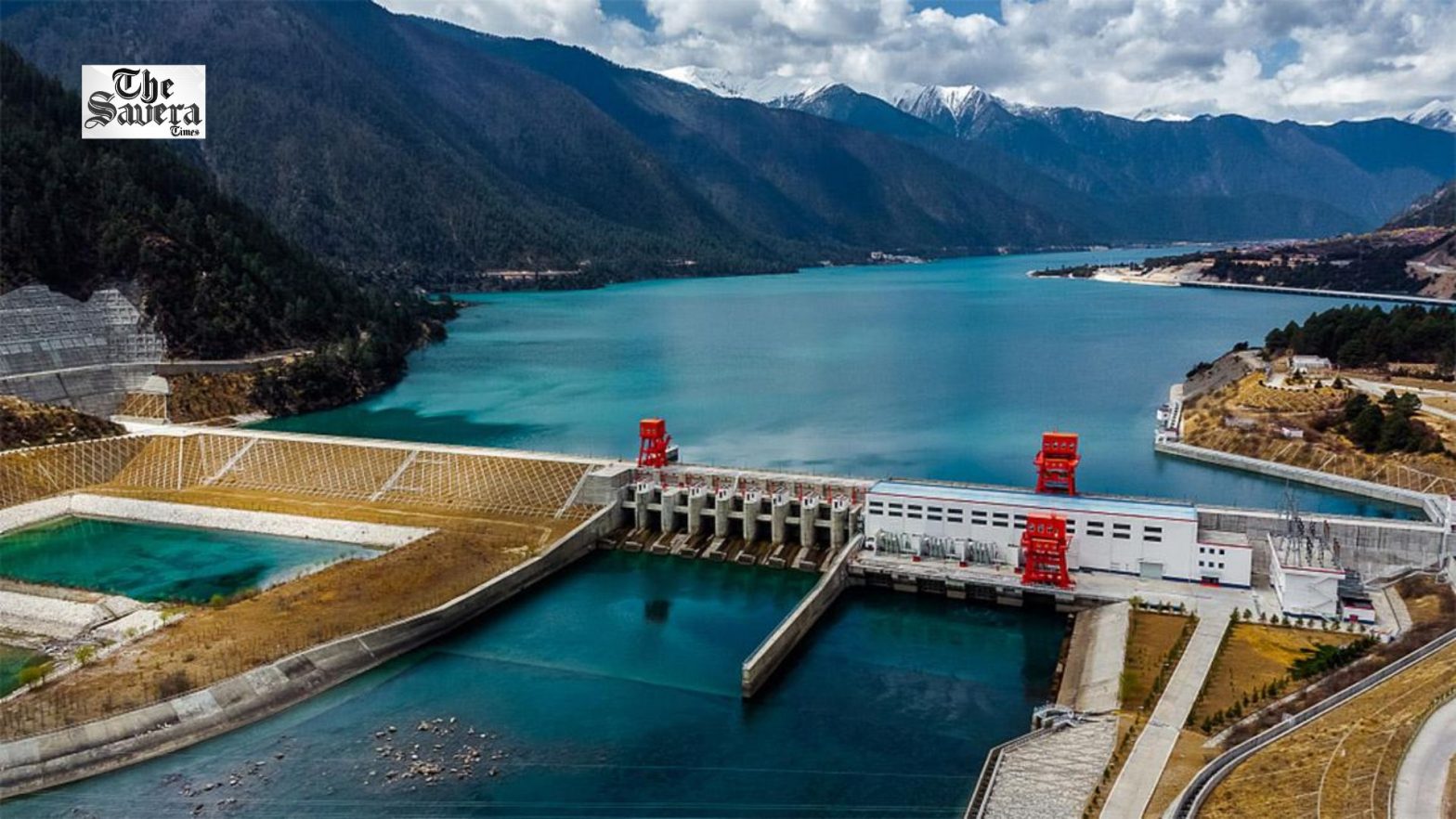
China's push to expand renewable energy infrastructure in Tibet is drawing criticism over its environmental and social impact. Reports claim large-scale solar, hydropower and mining projects are disrupting local ecosystems and affecting traditional Tibetan livelihoods.
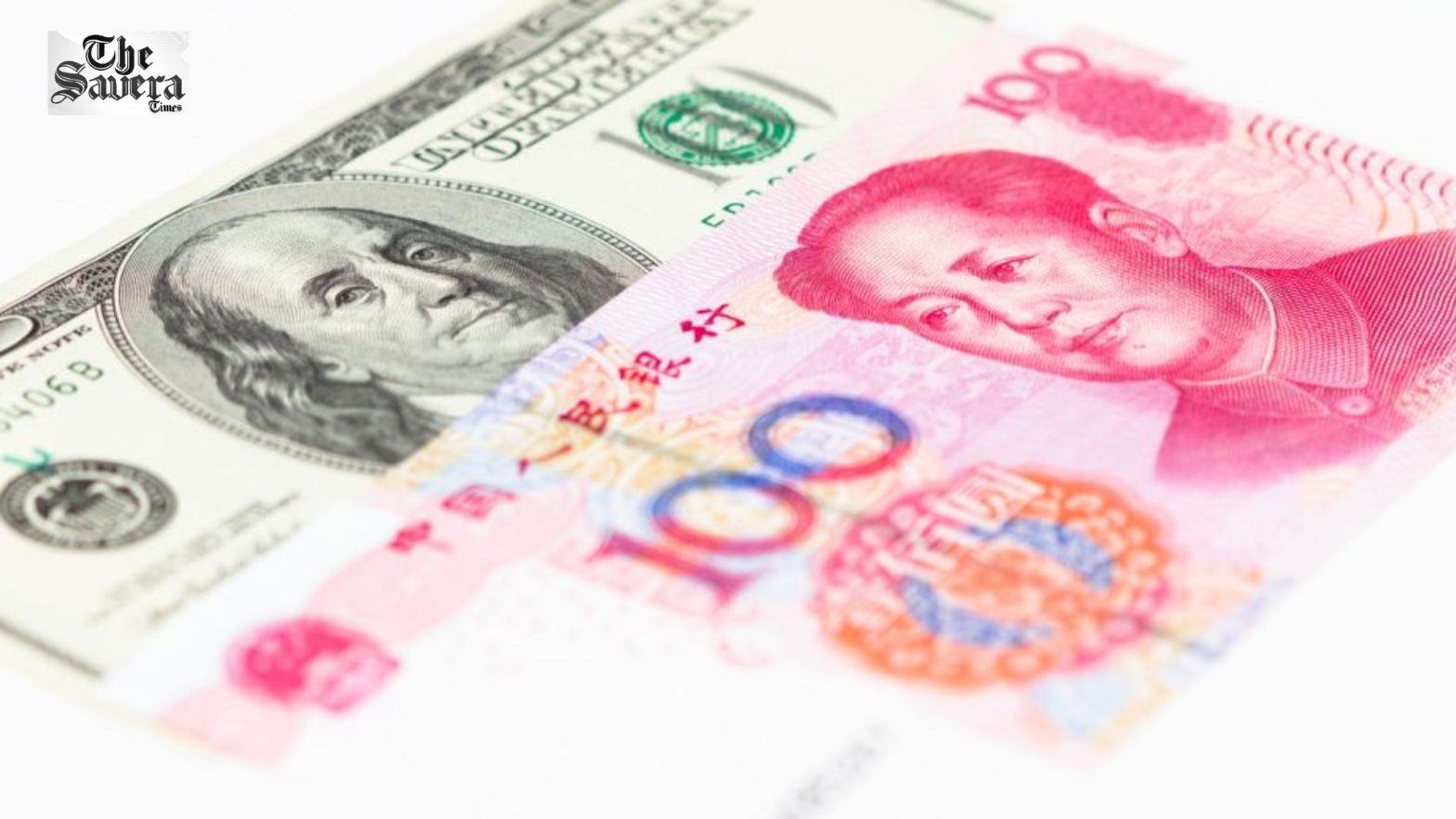
China is reportedly asking African countries to shift debt repayments from the US dollar to the yuan as part of its efforts to internationalise its currency and reduce the dominance of the dollar in global finance. Kenya's recent debt restructuring is being viewed as an early sign of this broader strategy.
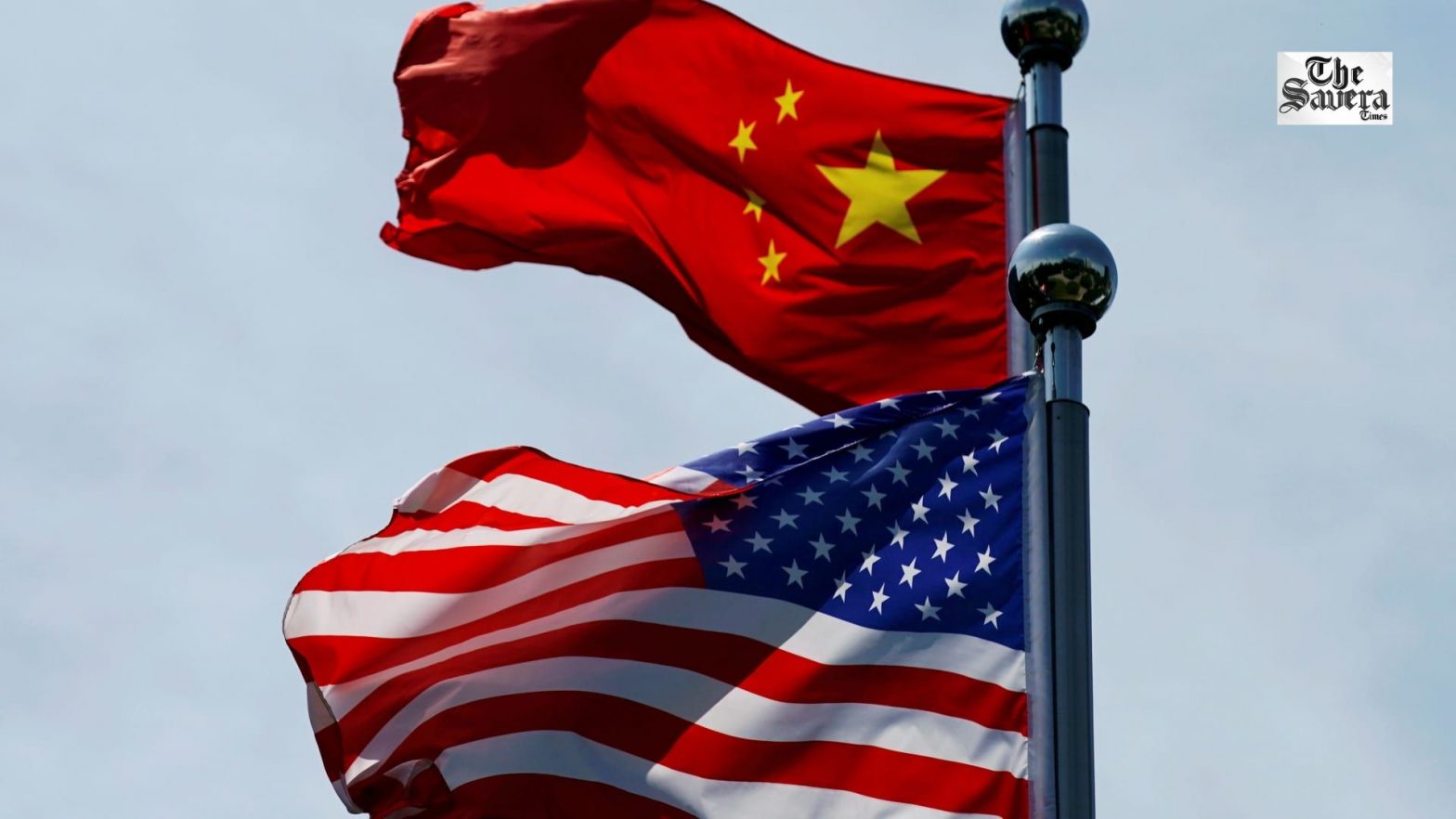
China has warned it may retaliate after the United States launched Section 301 trade investigations targeting dozens of economies, including China, over forced labour and industrial overcapacity concerns.