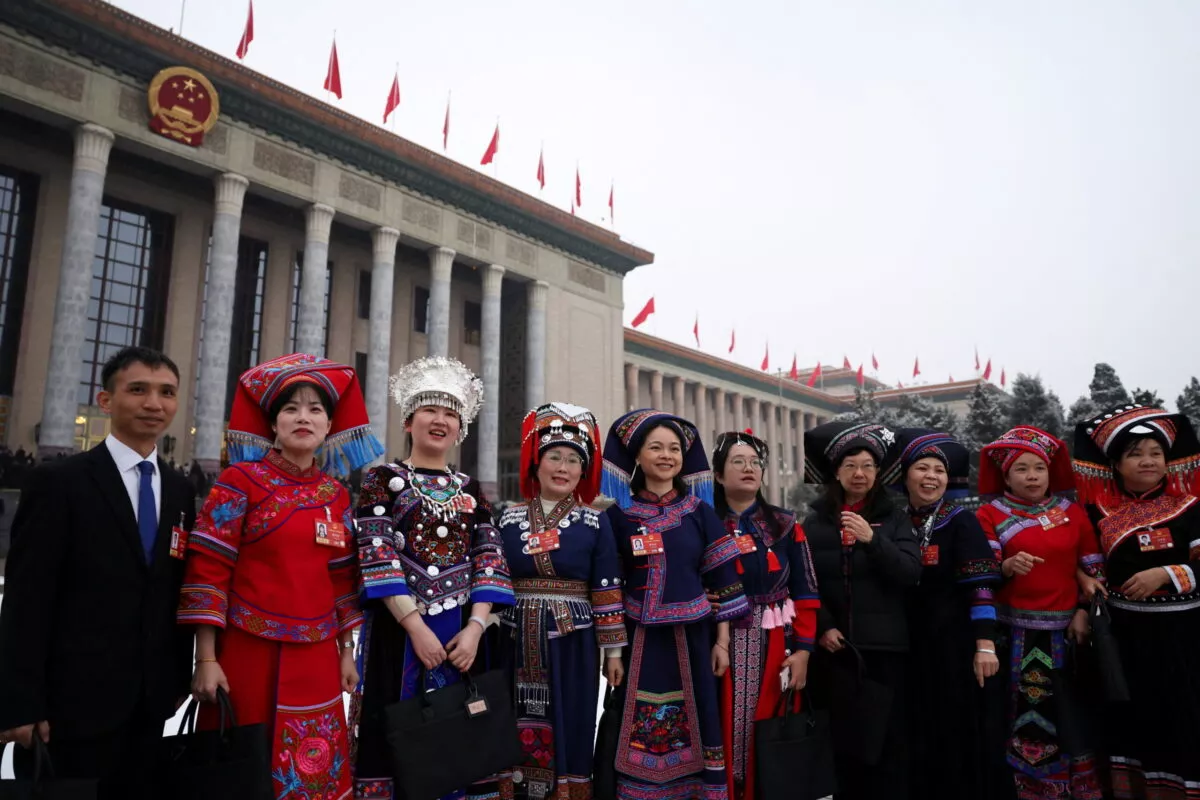
China’s new Ethnic Unity and Progress Promotion Law, which came into effect on July 1, is pushing the ethnic minorities to integrate with Chinese identity and mandating that parents guide their children to “love” the Chinese Communist Party (CCP). The law also “bans acts that ‘undermine ethnic unity or create ethnic division’ among China’s 56.
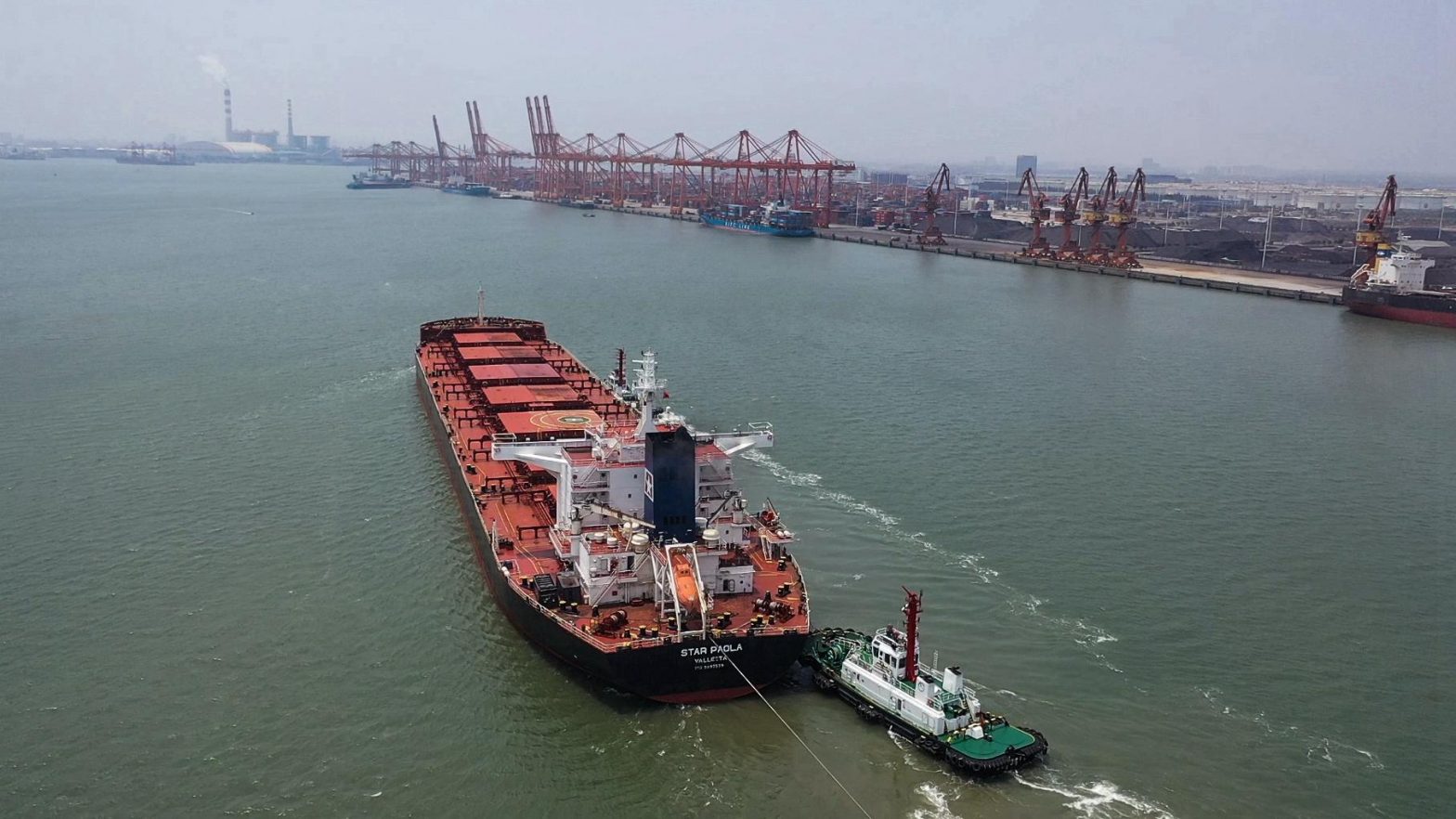
How feasible the proposed China-MyanmarBangladesh Economic Corridor (CMBC) will be is a question being raised by certain sections in Dhaka? China has already involved itself in infrastructure projects under the ambitious Belt and Road Initiative (BRI) in Pakistan, Sri Lanka, Nepal, and Afghanistan in the region, where progress has been mixed.
Bangladesh Prime Minister Tarique Rahmman’s recent visit to China has secured fresh economic commitments, but experts said that the administration must deepen institutional ties with neighbouring India even as it expands cooperation with Beijing. A stronger partnership with Beijing makes constructive ties with India more indispensable than ever. The three day state visit produced multiple.
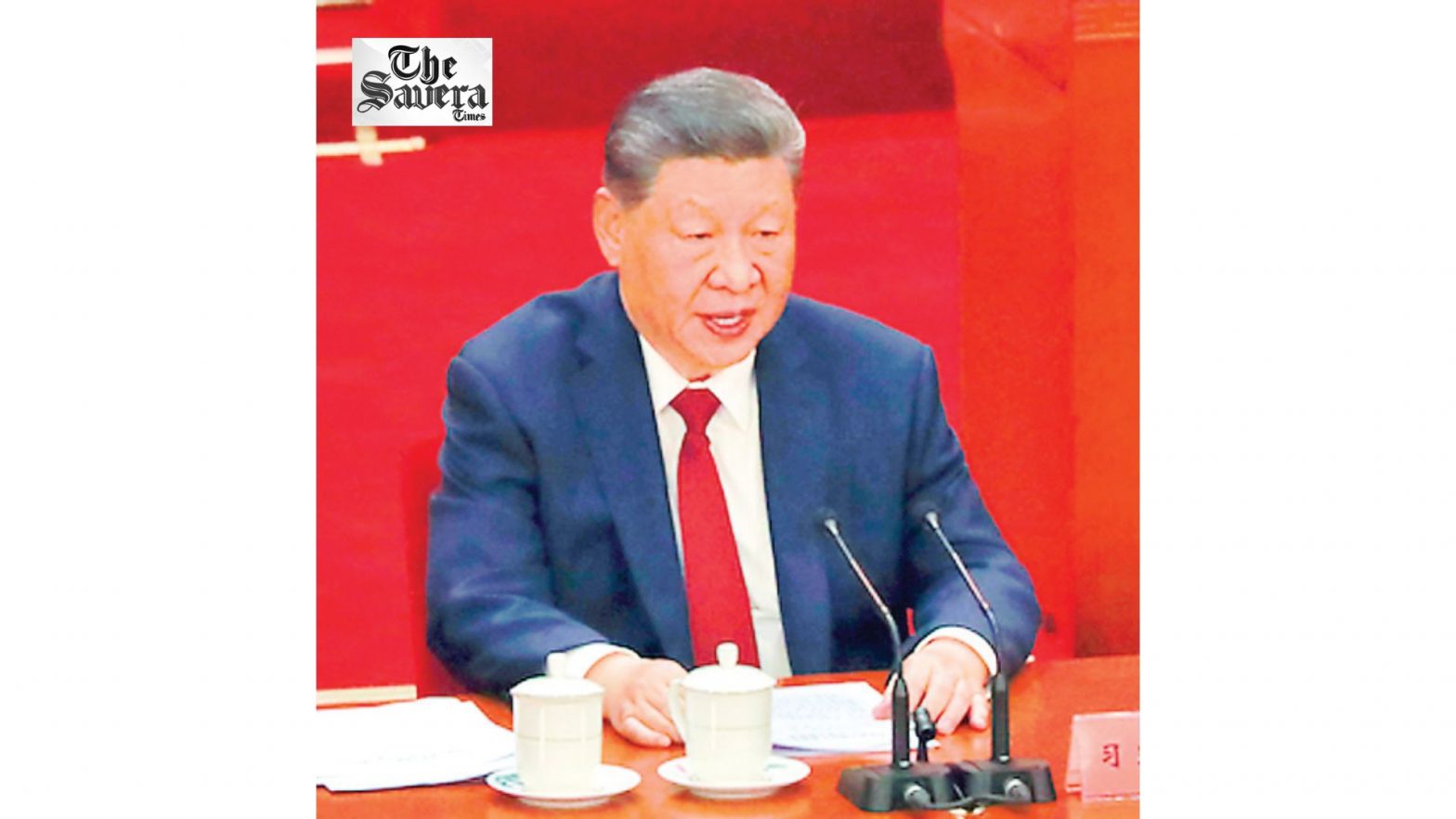
China’s President Xi Jinping has repeatedly emphasised at high-level meetings with world leaders and corporate heads that his country is keen to attract foreign investments, even though recent events have brought into question the safety and viability of those potential investments. It highlights that world’s top business leaders that Jinping has addressed at meetings in.
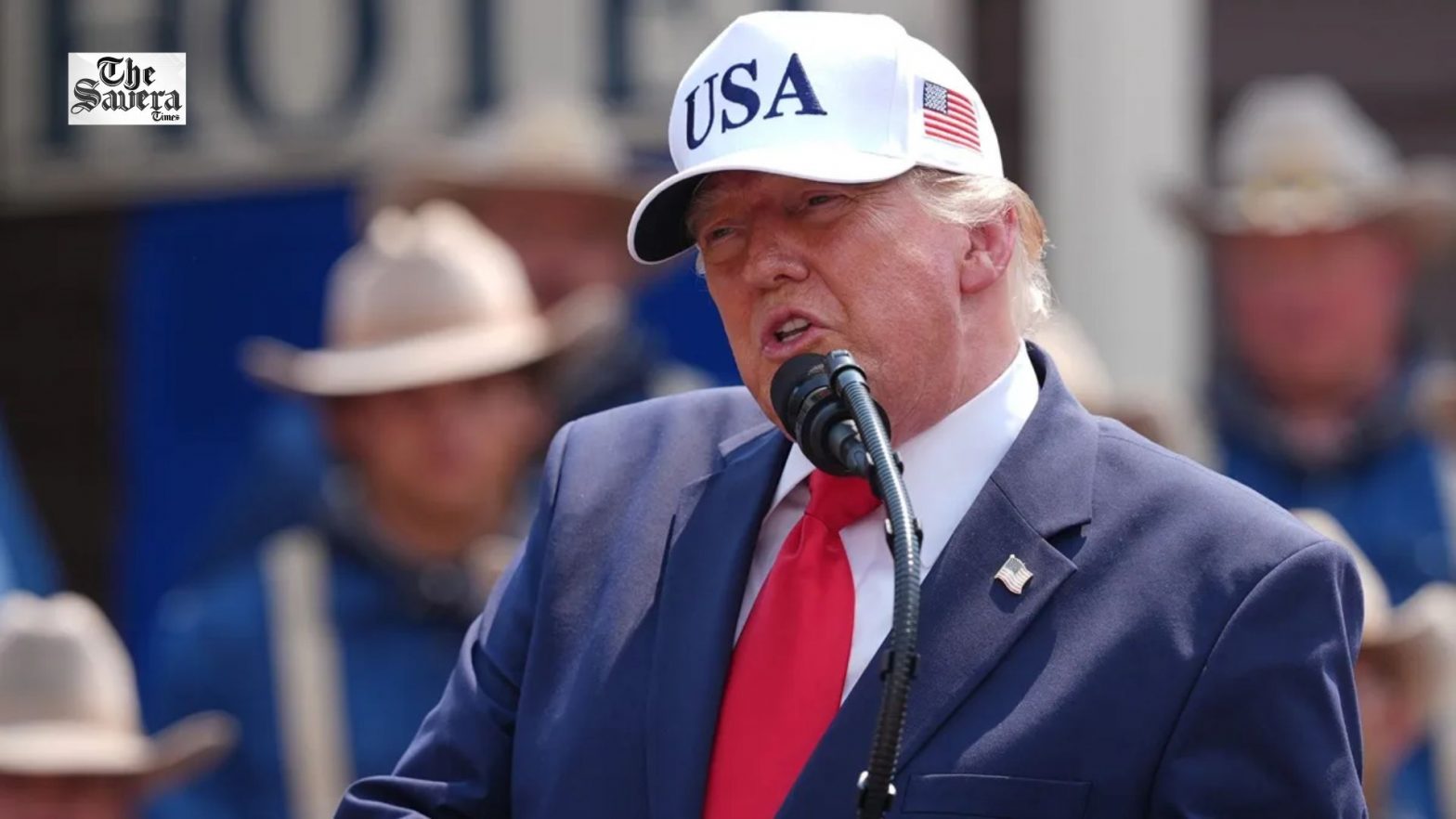
Washington: US President Donald Trump has reiterated his criticism of the transfer of the Panama Canal to Panama, claiming China is attempting to expand its influence over the strategic waterway. Speaking at the dedication of the Theodore Roosevelt Presidential Library in North Dakota, Trump said the United States would not allow China to take control.
Several Gulf nations have quietly voiced frustration with China’s response to the security crisis in West Asia. During recent escalations, Beijing has consistently advocated restraint, dialogue and de-escalation, reflecting its longstanding diplomatic posture. However, for countries that have experienced missile attacks, drone strikes and direct security threats linked to Iran and its network of partners,.
China has met with some successes but also many failures in its attempts at economic influence. Subversive carrot tactics have allowed China to make inroads in places where leaders can act with relative impunity, such as Cambodia, but have backfired in countries where leaders face accountability mechanisms such as the Philippines. Beijing’s economic statecraft succeeded.
China is expanding its presence through infrastructure, civilian, quasicivilian and dual-use instruments, not just artificial islands and military bases.
India’s participation enhances the G7’s relevance and legitimacy in an increasingly multipolar world order. This is particularly significant as the grouping’s influence today is largely “political and normative” rather than institutional. For India, engagement offers “prestige, access, networking opportunities, and a chance to influence discussions,” but it does not yield immediate economic gains or structural.
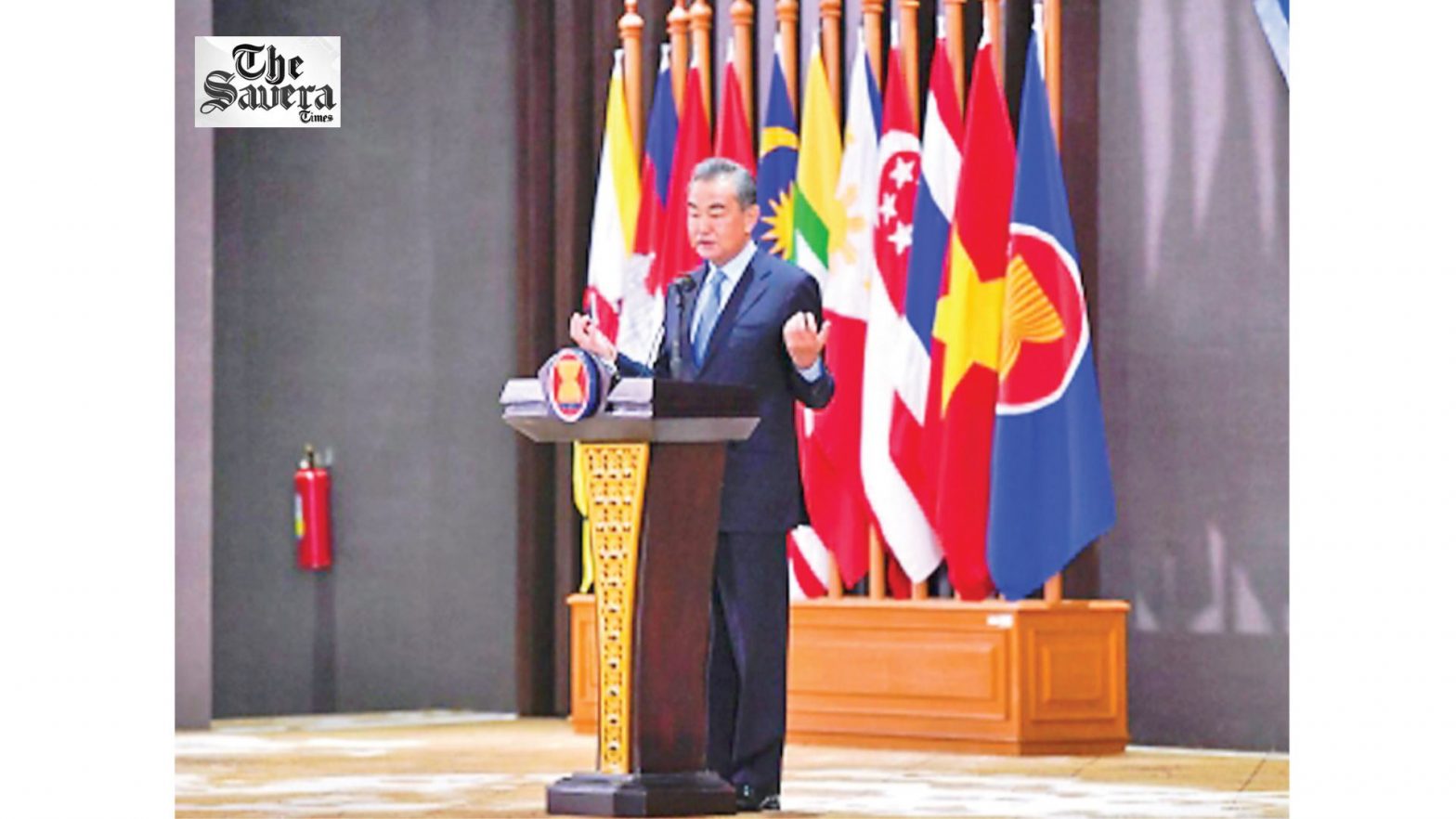
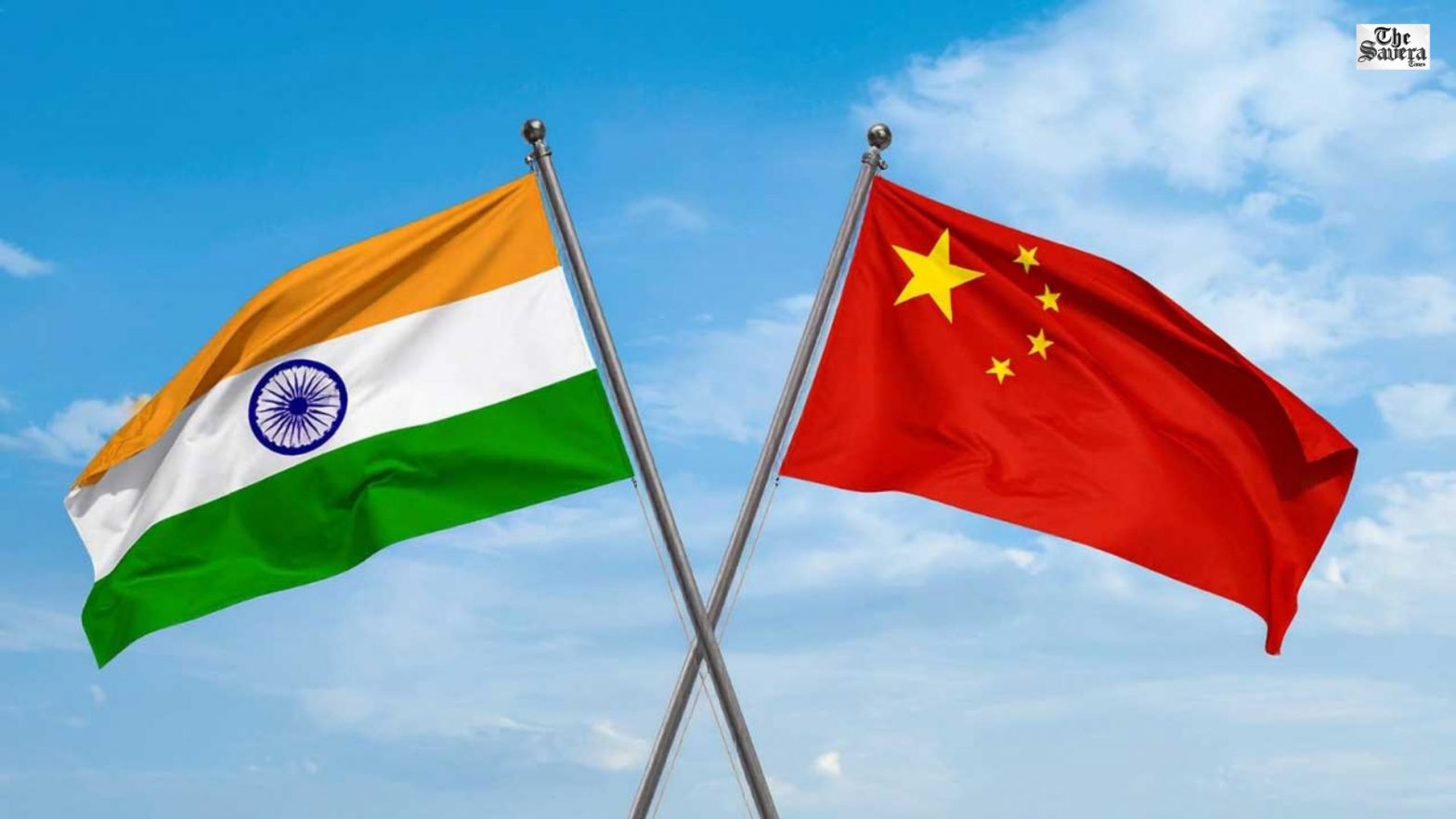
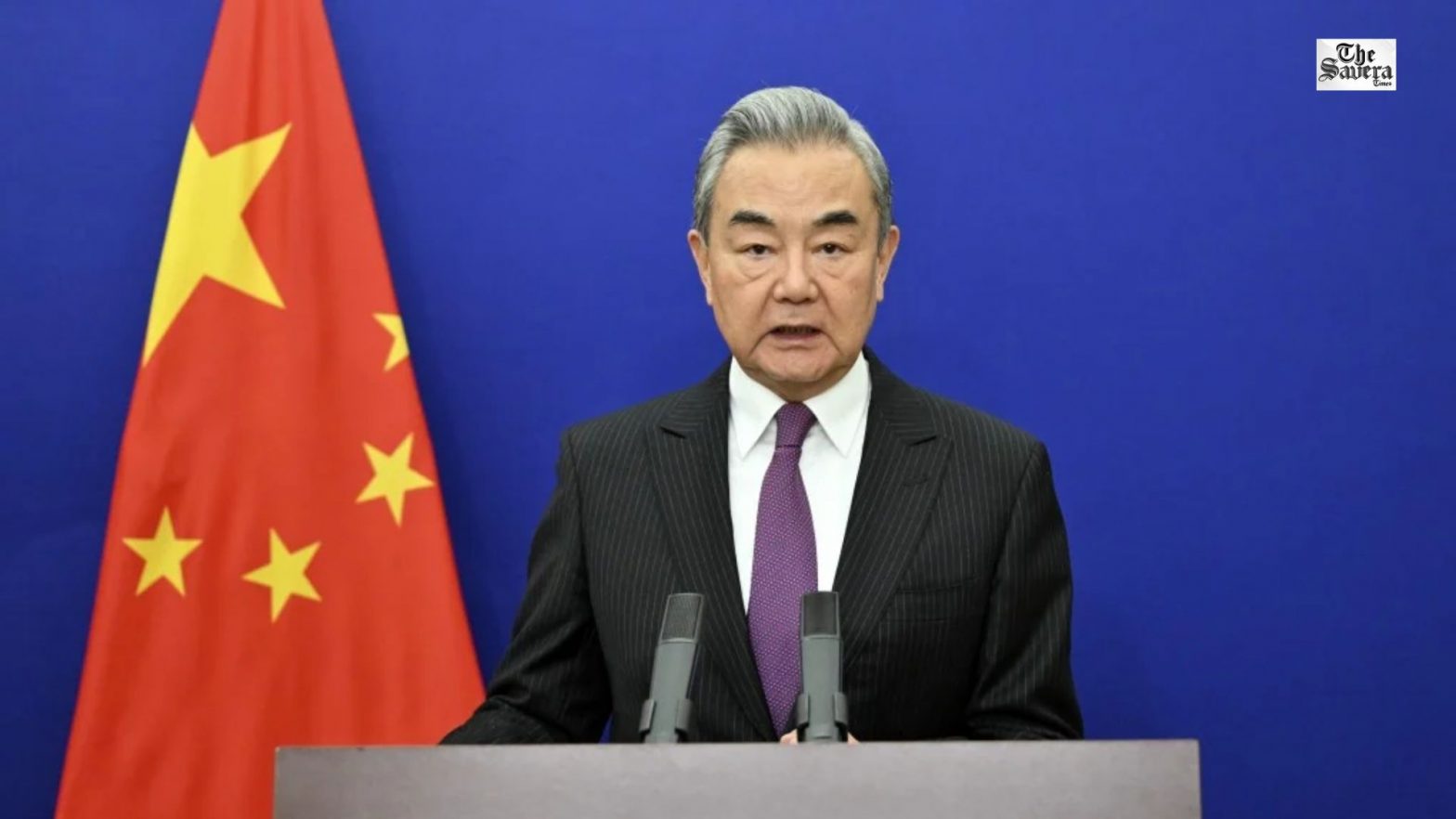
Beijing: Chinese Foreign Minister Wang Yi will visit India to attend the 16th Meeting of BRICS National Security Advisors (NSAs) and High Representatives on National Security set to be held from June 22 to 23. At the invitation of India’s National Security Advisor Ajit Doval, Wang Yi, Member of the Political Bureau of the CPC.